How to Make a Rental Apartment More Accessible Without Renovating
How to Make a Rental Apartment More Accessible Without Renovating
Making Rental Apartments Accessible: A Guide
Why Accessibility Matters in Rental Housing
Your lease says you can't renovate, but it doesn't say you can't make your home work better for your body. Accessibility is not a luxury—it's a necessity for safety, independence, and dignity. Renters with mobility or accessibility needs often face limited housing options, making it crucial to adapt existing spaces. Inaccessible rental homes create daily barriers and safety risks, but nonstructural solutions offer practical, affordable, and legal ways to enhance accessibility without violating lease terms.
Assess Your Space and Your Needs
Before making changes, it's essential to identify specific barriers in your apartment. Common challenges include stairs, narrow doorways, high shelving, and slippery floors. Conduct a self-assessment or involve a caregiver or occupational therapist to spot these issues. Documenting these barriers not only helps you prioritize solutions but also supports conversations with landlords if necessary.
Mobility and Movement: Stairs, Thresholds, and Flooring
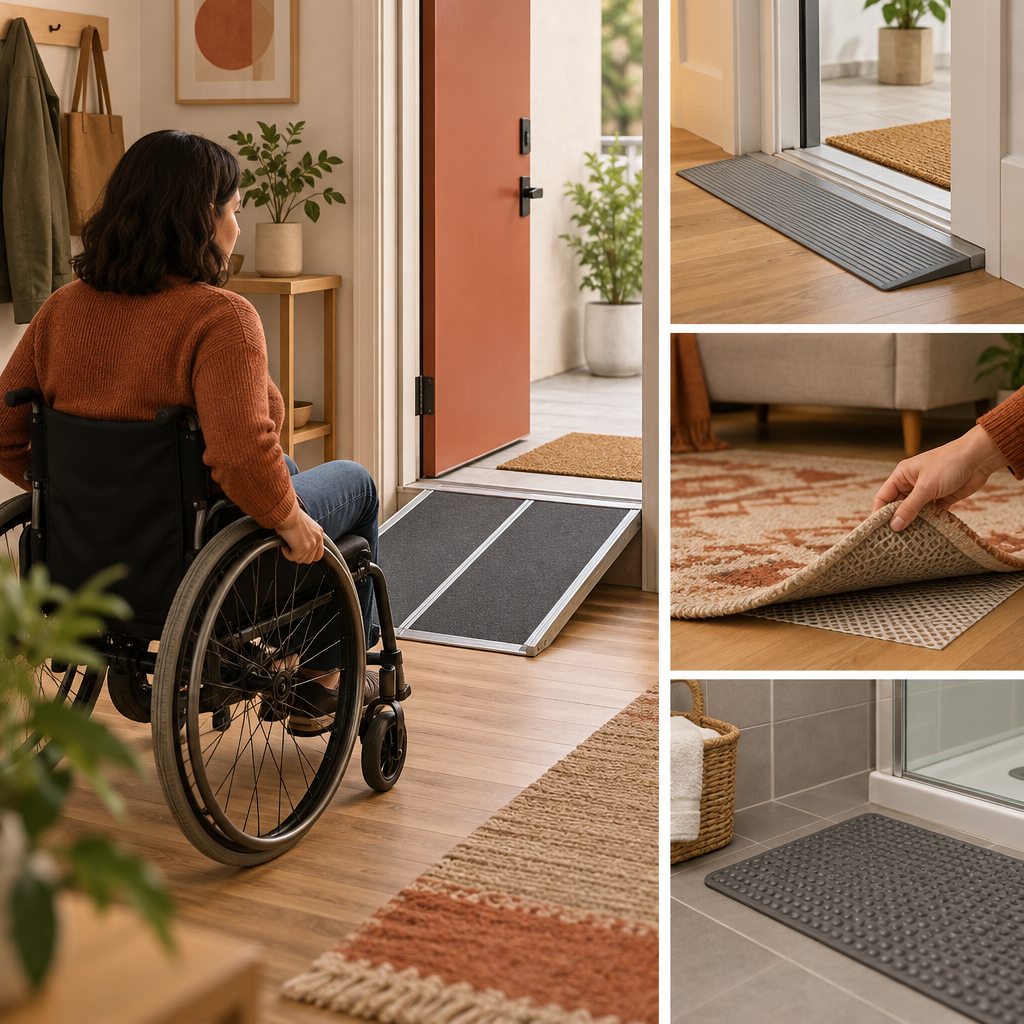
For safer movement, consider portable ramps and threshold ramps, which are removable, affordable, and effective. Non-slip flooring solutions, such as adhesive mats and area rugs with gripping pads, can prevent falls. Handrails and grab bars that use adhesive or suction cups are excellent alternatives to traditional installations. For those needing more support, stair lifts or chair lifts are higher-investment options worth considering.
Bathroom Safety Without Major Work
The bathroom is the highest-risk room, but you can increase safety with renter-friendly products. Grab bars with adhesive backing or suction cups provide stability without damaging walls. Shower seats, bath benches, and transfer benches enhance comfort and safety. Use non-slip bath mats and floor treads to prevent slips, and consider raised toilet seats and toilet frames for easier access. Hand-held showerheads and flexible hoses offer additional convenience.
Lighting, Visibility, and Navigation
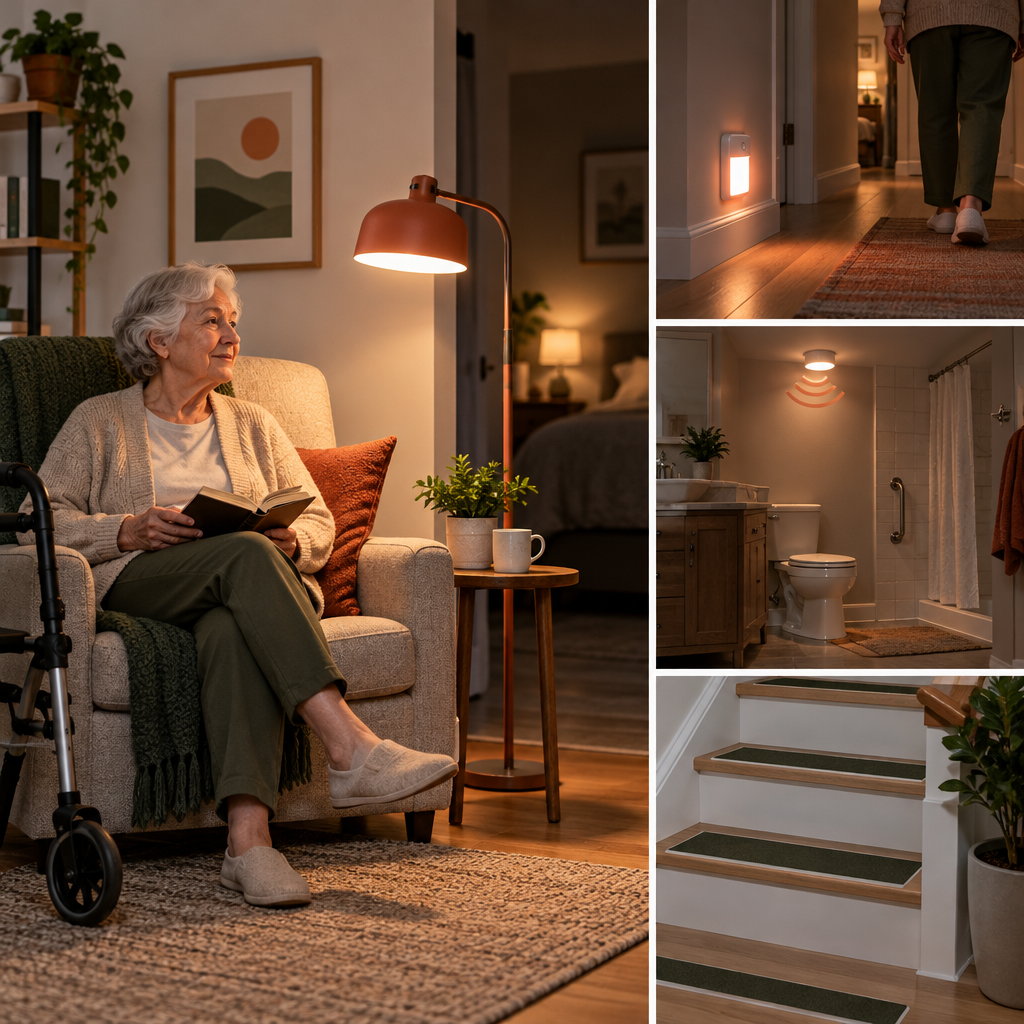
Good lighting reduces fall risk and improves independence. Opt for portable or plug-in lighting solutions that require no rewiring. Motion-activated lights in hallways and bathrooms enhance nighttime safety. High-contrast tape on stairs and thresholds can further prevent accidents. Remove visual clutter and organize spaces to facilitate safe navigation.
Kitchen Access and Reachability
To make cooking and meal preparation easier, lower or relocate frequently used items such as dishes and pantry staples. Pull-out shelves and organizers in cabinets and pantries improve reachability. Adaptive kitchen tools like ergonomic grips, one-handed devices, and jar openers are helpful. Consider adjustable-height work surfaces or portable prep stations for enhanced accessibility.
Bedroom Comfort and Safety
Enhance bedroom safety with removable, affordable bed rails and bed risers. Bedside organizers and reachable storage keep essentials within easy reach. Portable nightlights and accessible light switches improve nighttime visibility. Ensure flooring safety by using area rugs with gripping pads and maintain clear pathways to avoid tripping hazards.
Talking to Your Landlord: When and How
Confidently advocate for accessibility by knowing which modifications are typically permitted under standard leases, such as removable items and adhesive products. Frame requests in writing, using email or formal letters, with specific examples of needed changes. If a landlord says no, explore alternatives and tenant rights resources. Always document modifications with photos for your protection.
Building Your Accessibility Toolkit: A Practical Checklist
Start by identifying your top three barriers and prioritize safety first, followed by comfort and convenience. Consider budget-friendly options and source products wisely. Quick wins, such as non-slip mats, offer low-cost, high-impact improvements, while longer-term investments may include portable ramps or adaptive kitchen tools. Test products before committing to full purchases to ensure they meet your needs.
Start with our Accessibility Checklist: identify your top three barriers, then choose one quick win to implement this week. Your home should work for you—not against you. RentWell Living offers a range of solutions to help make your rental apartment more accessible and comfortable.
Innovative Technology for Enhanced Accessibility
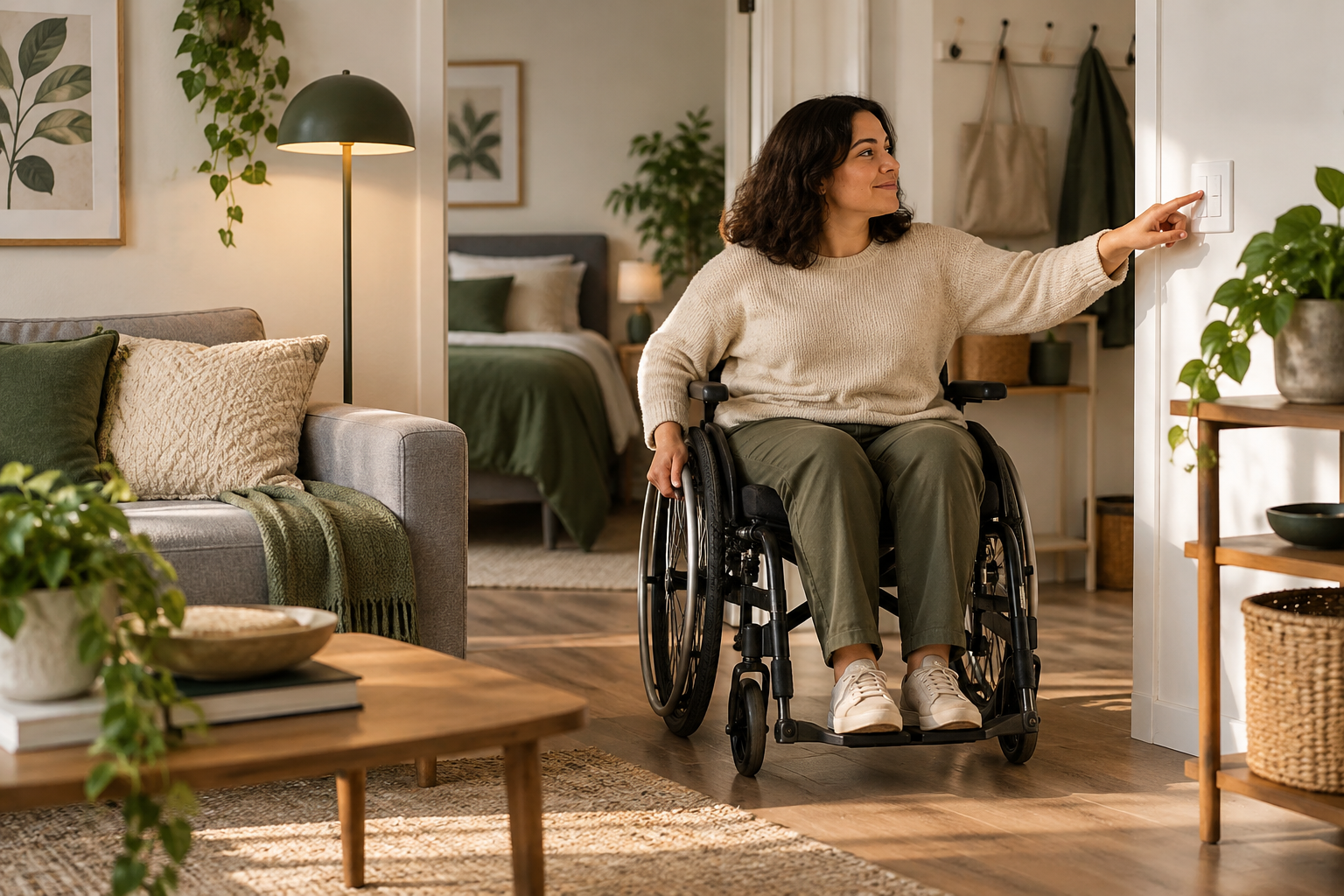
Incorporating technology can significantly enhance accessibility in rental apartments. Smart home devices, such as voice-activated assistants, can control lighting, temperature, and even some appliances, reducing the need for physical adjustments and enhancing ease of use. Smart locks offer keyless entry, which can be particularly beneficial for those with dexterity challenges. Additionally, programmable thermostats can be adjusted remotely, ensuring comfort without the need to manually operate wall units. These technologies can often be installed without permanent alterations, making them ideal for rental situations.
Emergency Preparedness for Accessible Living
Being prepared for emergencies is crucial, especially for individuals with mobility limitations. Ensure that emergency contact numbers are easily accessible, and consider wearable alert devices that can call for help if needed. Create a clear plan for evacuating the apartment, including accessible routes and designated meeting points. In multi-story buildings, familiarize yourself with the building's emergency procedures and discuss any specific needs with building management to ensure timely assistance during an emergency.