Effective Door Security for Women Living Alone
Effective Door Security for Women Living Alone
Effective Door Security for Women Living Alone
Your front door is the first test. Most home invasions pass it in under sixty seconds. If you live alone, that number matters. Physical security does not get the attention it deserves — but the women who take it seriously sleep better, move more freely, and operate from a position of control. This guide gives you the exact measures, tools, and sequence to make your entry points genuinely hard to breach.
Understanding the Threats
Start with the reality. The front door is the primary target in most forced-entry incidents. Attackers rely on two methods: a hard kick to the frame or a simple tool against a weak lock. Neither requires skill. Both exploit the same thing — a door that was never built to resist real force. Know what you are defending against, and every decision that follows becomes obvious.
Reinforcing Your Door: Step-by-Step
Stopping a kick-in requires layered reinforcement. Do not treat any single upgrade as enough. Here is the sequence that works:
- Install a Door Reinforcement Kit: These kits include longer strike plate screws, a door jamb reinforcement, and a door shield. Cost runs $50 to $150. They dramatically increase resistance against forced entry — the frame holds even when the lock takes the hit.
- Upgrade to a Solid Core Door: Hollow doors fail fast. A solid core door absorbs force and buys critical time. Budget $200 to $500 for a quality unit.
- Use High-Security Deadbolts: Minimum one-inch throw. Schlage and Kwikset both offer reliable options starting around $30. Do not cut corners here.
Advanced Security Tools
Once the physical layer is solid, add the technology layer. These tools extend your awareness beyond the door itself:
- Smart Locks: Keyless entry and remote monitoring from your phone. The August Smart Lock starts around $150 and integrates cleanly with most setups.
- Security Cameras: Cover every entry point. Ring and Arlo systems start at approximately $100 and give you real-time visibility without being on-site.
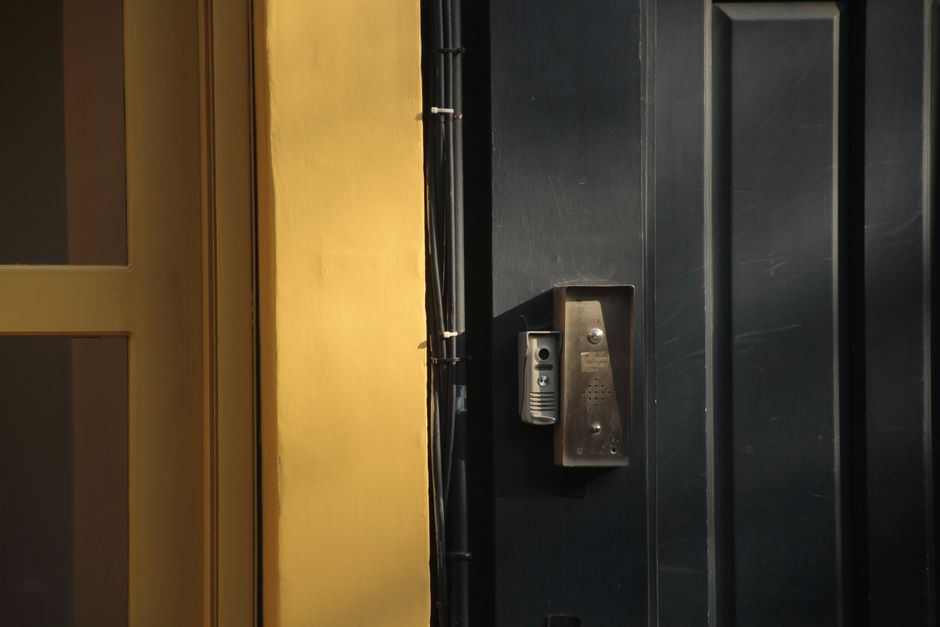
- Doorbell Cameras: You see who is there before you open anything. You also capture footage if something goes wrong. Entry-level units start at $99.
Practical Implementation Guide
Do not let the list overwhelm you. Work through it in order:
- Evaluate Your Current Setup: Walk your entry points and identify every weak link in your existing door security.
- Purchase Necessary Equipment: Buy only what your assessment reveals you need. Targeted spending beats scattered spending every time.
- Install Reinforcement Kits: Follow manufacturer instructions precisely. If you are unsure, hire a professional — a bad install is worse than no install.
- Test Your Security: After installation, test every lock and reinforcement under real pressure. Confirm it holds before you rely on it.
Beyond the Door: Comprehensive Home Security
A hardened door inside a soft perimeter is still a vulnerability. Round out your setup with these additions:
- Window Locks: Every window needs a functioning, secure lock. Check them all.
- Lighting: Motion-sensor lights around your perimeter eliminate the cover of darkness. Intruders avoid exposure.
- Alarm Systems: A monitored alarm system alerts both you and authorities the moment a breach occurs. It is the last line that catches what everything else misses.
Conclusion and Next Steps
Strong door security is not a luxury. For women living alone, it is a foundational decision. The right tools, installed correctly and maintained consistently, cut your risk of forced entry significantly. From there, layering in smart technology and a full-perimeter system compounds that protection over time.
For more on building systems that work quietly in the background, visit ArcanoLabs to explore tools and resources that help you manage and automate your digital life effectively.
Every upgrade you make raises the cost of targeting you. Start with one step today. Build from there.
Psychological Aspects of Door Security
Security is not only physical. What you build around your door also shapes how you move through your day. That matters more than most people admit:
- Peace of Mind: A reinforced door with layered technology behind it reduces background anxiety. You stop running threat scenarios in your head because you have already handled them.
- Empowerment: Taking deliberate steps to secure your space puts you in control. That shift in posture is real and it compounds.
- Visible Deterrents: Cameras and smart locks do double duty. They protect you and they signal to anyone watching that this address is not worth the risk.
Checklist for Regular Security Maintenance
A security system you install and forget degrades. Build a maintenance rhythm and stick to it:
- Inspect Locks Monthly: Confirm every lock operates smoothly. Loose or stiff hardware is a warning sign.
- Test Security Devices: Run your smart locks and cameras through a functional check. Update firmware when prompted — outdated software is a gap.
- Review Security Footage: Spot-check recordings periodically. Confirm image quality and camera angles are still correct.
- Update Passcodes: Rotate smart lock codes every few months. Change them immediately if you suspect unauthorized access.
- Assess Door and Frame Condition: Look for wear, warping, or damage. Repair anything that compromises the integrity of the setup.
Case Study: Implementing Effective Door Security
Lisa lives alone in an urban apartment. She decided her existing setup was not good enough and built something better. Here is exactly what she did:
- Initial Assessment: She identified two critical failures — an outdated lock and a hollow-core door that would not survive a determined kick.
- Selection of Tools: She chose a solid core door, a high-security deadbolt, and a smart lock with an integrated camera for keyless entry and remote monitoring.
- Professional Installation: She hired a professional to ensure every component was installed correctly. No guesswork, no gaps.
- Outcome: After installation, Lisa reported a measurable increase in her sense of safety. She uses the smart lock's remote features daily and no longer thinks twice about leaving or returning home alone.
Key Performance Indicators for Security Measures
Track what matters. Vague feelings of safety are not a system. These indicators tell you whether your setup is actually working:
- Intrusion Attempts: Log any tampering or attempted entry. A declining trend over time confirms your deterrents are doing their job.
- Response Time: Measure how quickly you can respond to a security alert. Tighten that window through better systems and practiced protocols.
- System Reliability: Track device uptime. Frequent failures mean your coverage has gaps you cannot afford.
- User Satisfaction: Assess your own confidence in the setup regularly. If something feels off, investigate and adjust. Your instincts are data too.
FAQs on Door Security for Women Living Alone
- What is the most secure type of door? Solid core or metal. Pair either with a high-security deadbolt and a reinforced frame and you have a setup that resists real force.
- How often should I change my smart lock's passcode? Every three to six months as a baseline. Immediately if you have any reason to suspect unauthorized access.
- Are security cameras necessary if I live in a secured building? Yes. Building security covers shared spaces. Personal cameras cover your specific entry point and give you direct, real-time visibility.
- Can I install security devices myself? Some are designed for DIY. For anything structural — doors, frames, deadbolts — professional installation ensures the system performs as intended.
Emergency Preparedness for Door Security Breaches
Strong security reduces risk. It does not eliminate it. Have a plan ready before you need it:
- Establish a Safe Room: Pick one room with a reinforced door and a phone. That is your fallback position if a breach occurs.
- Emergency Contacts: Keep local police and trusted neighbors on a short list you can reach without thinking. Speed matters in those moments.
- Practice Drills: Run through your emergency response periodically. Calm, practiced action beats panic every time.
- Install Panic Buttons: Place them in strategic locations throughout your home. One press alerts authorities without requiring you to make a call.
Leveraging Community Resources for Enhanced Security
Your neighbors are an asset most people underuse. Tap into the network around you:
- Neighborhood Watch Programs: Join one or start one. Shared awareness across multiple households creates coverage no single camera system can match.
- Local Workshops: Many police departments and community centers run home security workshops. Attend them. The information is current and free.
- Online Forums: Local safety groups on community platforms surface real-time alerts and practical tips specific to your area. Stay plugged in.