
Troubleshooting Common Marketing Automation Issues: A Practical Approach
Troubleshooting Common Marketing Automation Issues: A Practical Approach
Troubleshooting Common Marketing Automation Issues: A Practical Approach
Marketing automation is the system that keeps your campaigns running while you focus on building. But when it breaks down, everything downstream suffers. Bad data, broken integrations, emails that never land — each failure quietly erodes the results you worked to build. This guide cuts straight to the problems operators face most and gives you a clear path to fix them.
Understanding the Core of Marketing Automation

Marketing automation covers the tools and systems that handle email campaigns, social media scheduling, and lead generation without you touching them manually. Platforms like HubSpot and Marketo lead the space. Neither is perfect. Every system has failure points — and knowing where they are is what separates operators who scale from those who stall. Here is where to look first.
Problem 1: Integration Failures
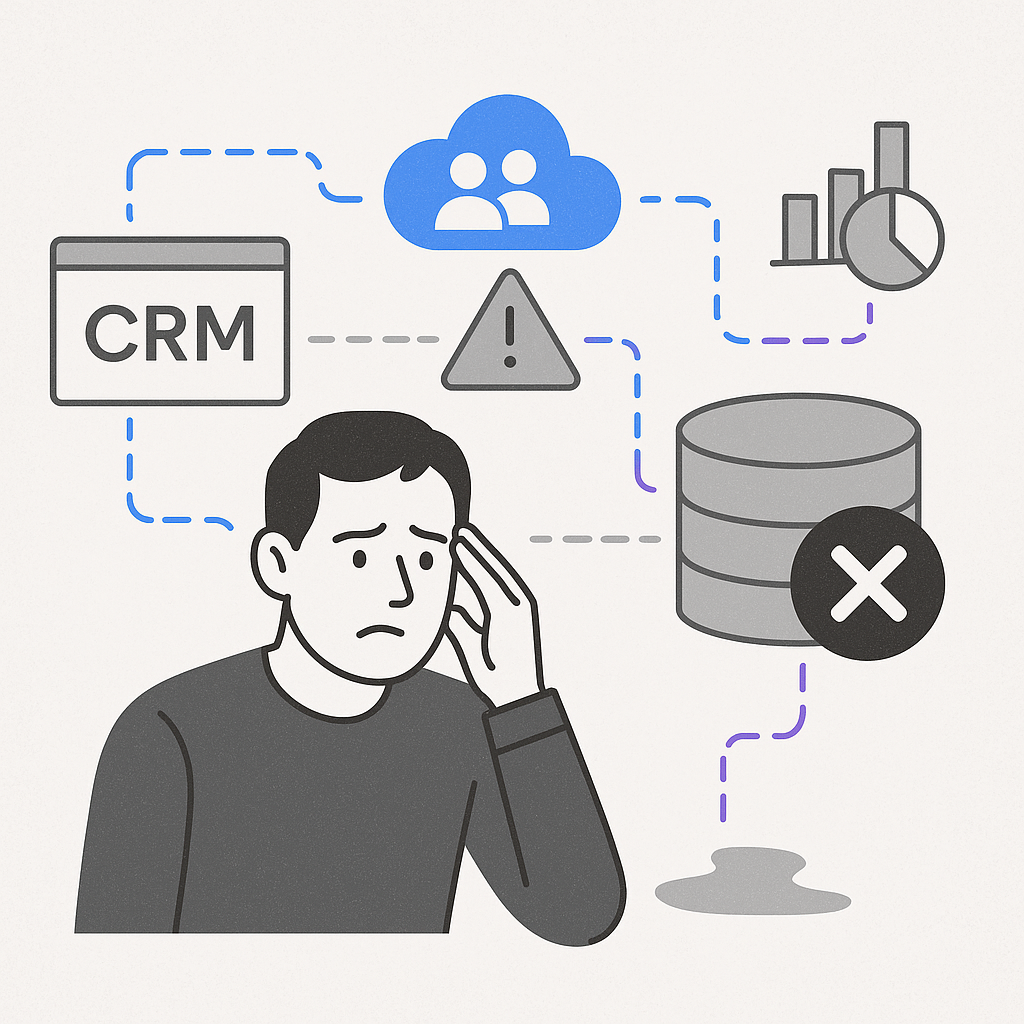
Your automation tools need to talk to your CRM, your analytics stack, and your social platforms. When those connections break, data gets siloed. Campaigns run blind. You make decisions on incomplete information — and that costs you.
Solution: Use Reliable Integration Tools
Tools like Zapier and Integromat (now Make) close the gaps between your software. Both offer visual workflow builders that move data cleanly across systems without custom code.
- Zapier: Starts at $19.99/month and connects over 3,000 apps.
- Make: Free tier available, with paid plans starting at $9/month.
Problem 2: Data Inaccuracies

Duplicate records. Outdated contacts. Wrong field values. Dirty data does not just slow you down — it actively misleads you. Every bad decision that flows from bad data compounds over time.
Solution: Implement Data Cleaning Procedures
Run regular data audits. Use Dedupely to find and merge duplicate records before they multiply. Set up automated alerts for data discrepancies so problems surface immediately rather than weeks later.
- Dedupely: Pricing starts at $14 per month.
- Data Audits: Conduct quarterly at minimum for reliable results.
Problem 3: Email Deliverability Issues

An email that lands in spam never existed. High bounce rates damage your sender reputation, and a damaged reputation is hard to recover. Deliverability is not a set-it-and-forget-it metric — it requires active maintenance.
Solution: Optimize Email Practices
Verify your list consistently using NeverBounce or BriteVerify. A clean list reduces bounce rates and protects your sender score. Pair that with sharp subject lines and personalized content to lift open rates.
- NeverBounce: Starts at $0.008 per email verification.
- BriteVerify: Custom pricing based on list size.
Problem 4: Workflow Complications

Overly complex workflows create fragile systems. One broken trigger cascades into delays, missed follow-ups, and campaigns that fire at the wrong time. Complexity is not sophistication — it is risk.
Solution: Simplify and Optimize Workflows
Use a visual workflow builder like n8n to map your processes and strip out what does not need to be there. This open-source tool integrates broadly and gives you full control without the overhead. Review workflows bi-monthly to catch drift before it becomes a problem.
- n8n: Free to start, with hosted options available.
- Review Frequency: Bi-monthly reviews recommended.
Problem 5: Lack of Personalization

Generic messages get ignored. Your audience can tell when they are receiving a broadcast instead of a conversation. Relevance drives conversions — and relevance requires knowing who you are talking to.
Solution: Leverage AI for Personalization
AI-driven tools like ArcanoLabs analyze behavioral data to generate content and recommendations that match individual preferences. The result is messaging that converts because it actually fits the person receiving it.
- ArcanoLabs: Explore their solutions for personalized content creation.
Conclusion: Actionable Next Steps
Fixing marketing automation is not a one-time project. It is an ongoing discipline. Integration failures, data inaccuracies, deliverability problems, bloated workflows, and generic messaging — each one is a leak in the system. Patch them systematically and your results compound.
Start by auditing what you have. Identify the specific failure point costing you the most. Apply the right tool. Then build the habit of reviewing your systems on a fixed schedule so problems surface early instead of late.
The silent operator does not wait for a system to collapse before paying attention. They test relentlessly, fix quietly, and let the results do the talking. That discipline is what separates operators who scale from those who stay stuck.
Ready to tighten your systems? Visit ArcanoLabs for tools and resources built for operators who build in silence and earn in peace.
Problem 6: Insufficient Lead Scoring

Without a solid lead scoring model, your sales team chases the wrong people. Time gets wasted on cold prospects while warm ones go uncontacted. Poor prioritization is a silent revenue killer.
Solution: Develop a Robust Lead Scoring Model
Define the signals that indicate buying intent. Engagement patterns, demographic fit, and behavioral data all tell you something. Platforms like Salesforce and HubSpot let you automate scoring so your team focuses only on leads worth their time.
- Engagement Metrics: Track email opens, clicks, and site visits to gauge real interest.
- Demographic Information: Score by industry, company size, and decision-making role.
- Behavioral Data: Weight actions like free trial sign-ups or content downloads heavily.
Revisit your scoring criteria regularly. Markets shift, buyer behavior changes, and a model that worked six months ago may already be stale.
Case Study: Successful Troubleshooting in Action

A mid-sized tech company was watching email engagement drop and unsubscribe rates climb. They dug into their automation stack and found two culprits: generic messaging and a contact database full of outdated records.
Steps Taken:
- Data Cleaning: Ran Dedupely across their database and cut duplicate records by 40%.
- Personalization: Deployed AI tools to tailor content to user behavior — email engagement jumped 25%.
- Workflow Optimization: Rebuilt their email workflow in n8n, cutting production time by 30%.
The outcome: a 15% lift in conversion rates. Not from a new channel or a bigger budget. From fixing what was already broken. That is what targeted troubleshooting actually looks like.
Checklist for Effective Marketing Automation Troubleshooting

Run through this checklist on a fixed schedule. Do not wait for something to break before you look.
- Integration Check: Confirm all software connections are active and passing data correctly.
- Data Audit: Review your database for duplicates, outdated records, and field errors.
- Email Verification: Clean your list regularly to protect deliverability and sender reputation.
- Workflow Review: Simplify and test each workflow for efficiency and accuracy.
- Lead Scoring Evaluation: Reassess your scoring model to keep it aligned with current buyer behavior.
- Personalization Assessment: Use AI to ensure content stays relevant to each segment.
A system you review consistently is a system you control. One you ignore will eventually control you.
FAQs on Marketing Automation Troubleshooting

What is the first step in troubleshooting marketing automation issues?
Identify the problem precisely. Pull your performance metrics and user feedback. You cannot fix what you have not clearly defined.
How often should data cleaning procedures be conducted?
Treat data hygiene as an ongoing process, not a one-time task. Run comprehensive audits quarterly at minimum to keep your database reliable.
Can AI really improve personalization?
Yes. AI processes behavioral data at a scale no manual process can match. The output is messaging that reflects actual user preferences — and that relevance converts.
What tools are best for workflow optimization?
n8n and HubSpot are both strong options. They offer visual builders, broad integrations, and enough flexibility to handle complex automation without unnecessary overhead.
Metrics for Evaluating Marketing Automation Success

Fixing your automation means nothing if you are not measuring the right outputs. Track these three numbers consistently.
- Conversion Rate: The percentage of leads that become paying customers directly from your automated campaigns. This is your clearest signal of funnel health.
- Customer Lifetime Value (CLV): Total revenue generated per customer over the full relationship. Personalized automation should move this number up over time.
- Engagement Rate: Opens, clicks, and interactions with automated content. Low engagement is an early warning sign — catch it before it becomes a deliverability problem.
Review these metrics on a set cadence. Let the data tell you where to focus next. That is how you build a system that compounds instead of one that quietly decays.