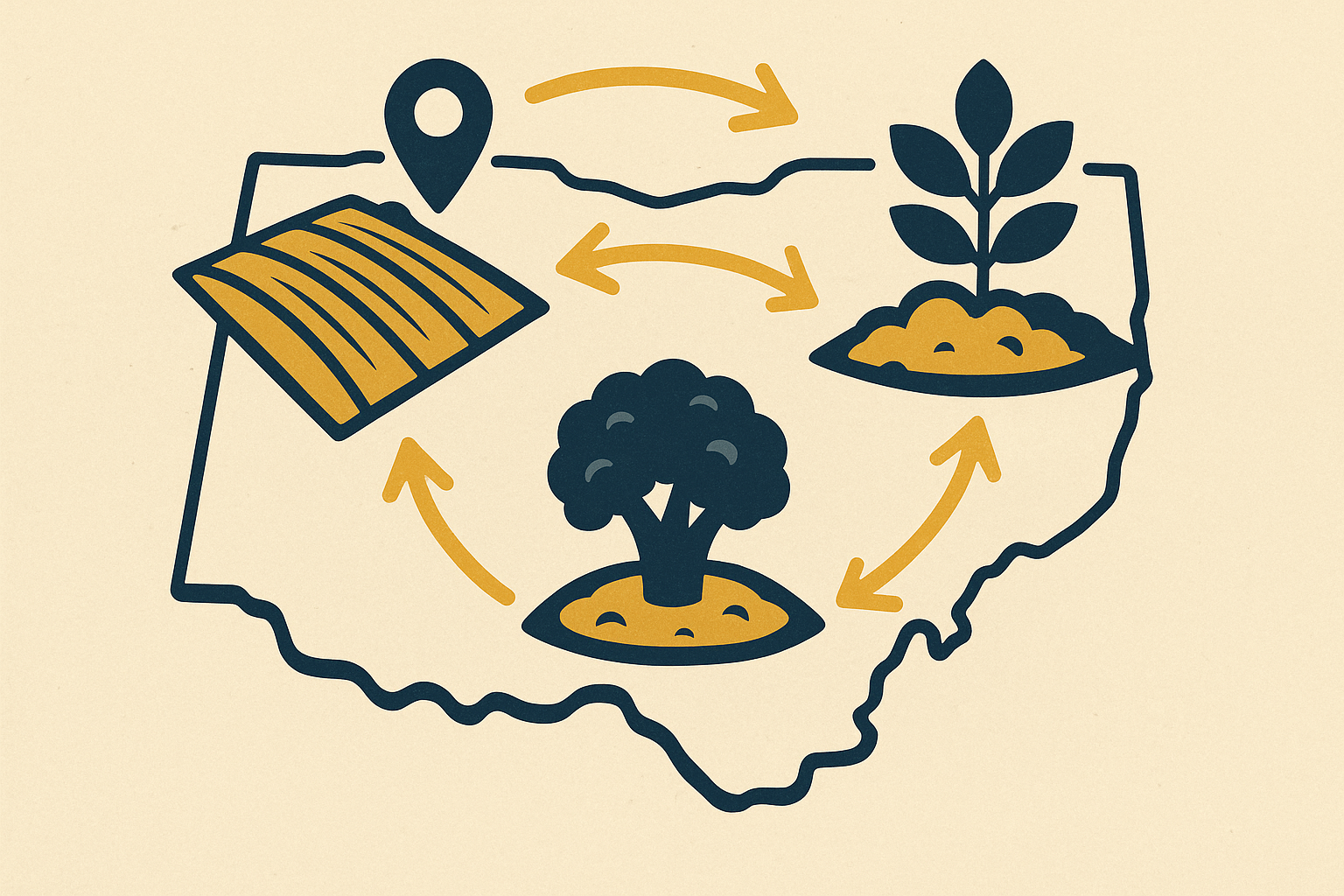
The Three-Site Rotation Explained for Beginners
The Three-Site Rotation Explained for Beginners
Introduction: A System That Works While You Sleep
Picture this: you wake up, check your phone, and three separate sites have been pulling in traffic and commissions while you slept. That's not a fantasy — it's what owned traffic compounds into when you build the right system. Here's how the receipts actually add up, and how you can set it up yourself.
What Is the Three-Site Rotation?

The three-site rotation is a system where you build and manage three separate niche sites at the same time. Each site targets a different audience, so your owned traffic comes from multiple directions. That spread is what compounds your income and keeps a single bad month on one site from wiping out your results.
Why Three Sites?
One site caps your upside. Four or more splits your attention thin enough that none of them get what they need. Three is the number that lets you rotate your focus deliberately — spending real time on each property — without any of them going dark while you look the other way.
The System: How It Works

Let me walk you through the mechanics. This is the real answer to building income that runs while you sleep.
Step 1: Choose Your Niches
Start by picking three niches with proven demand that aren't already packed with established players. Tools like Ahrefs and Ubersuggest show you exactly where keyword demand exists and how stiff the competition is. You want the receipts before you commit a domain.
Step 2: Secure Your Domains
Once your niches are confirmed, register your domain names. Namecheap is a reliable, affordable place to do it. Keep the names clean and relevant to the niche — no clever wordplay that confuses a first-time visitor.
Step 3: Develop Content
Your sites need to give readers something genuinely useful. Use AI content tools like Jasper to scale production without sacrificing quality. Volume matters, but a hundred thin articles won't compound the way thirty solid ones will.
Tools and Resources for Building Your Sites
The right tools cut the time it takes to get each site operational. Here's what actually moves the needle:
- WordPress: The most widely used CMS for building content sites.
- Elementor: A page builder that lets you control layout without touching code.
- GetResponse: Email automation so your audience hears from you even when you're not at the desk.
Monetization Strategies
Once each site is live, layer in your income streams. Affiliate marketing, display ads, and digital products all work — and the right mix depends on the niche and what your audience actually buys. Each site can run a different model, which is exactly the point of owning three.
Maintaining and Rotating Focus
Having three sites live is only half the job. You need a rotation schedule — dedicated blocks of time on each property for content, SEO, and user experience. That consistency is what keeps owned traffic growing instead of plateauing.
Tracking Your Progress
Run Google Analytics on all three sites from day one. Check traffic patterns, conversion rates, and revenue on a regular cadence. The numbers tell you where to push harder and where something is quietly breaking.
Conclusion: Taking the First Step
Three niche sites running in rotation sounds like a lot of moving parts. It is — at first. But once the system is in place, each site compounds on its own while you focus on the next one. Start with solid niche research, build content that earns its place in search results, and let owned traffic do the heavy lifting while you sleep.
Ready to get started? Browse our tutorials for step-by-step guides on building and monetizing each piece of the system.
Advanced SEO Techniques for Niche Sites
To get the most out of your three-site rotation, you need SEO that goes beyond the basics. These are the tactics that move your sites up the rankings and keep owned traffic growing month over month.
1. Long-Tail Keywords
High-volume keywords look attractive, but long-tail phrases — more specific, lower competition — are where you actually get traction early. Use Keyword Tool to find the specific questions your audience is already typing into search. That's where the real answer to early ranking lives.
2. On-Page SEO Optimization
Every page needs a clear target keyword in the title, headers, and body copy. Write meta descriptions that tell the reader exactly what they'll get — a higher click-through rate from search results is free traffic you're leaving on the table if you skip this.
3. Technical SEO
Site speed, mobile responsiveness, and HTTPS aren't optional. Run your pages through Google PageSpeed Insights and fix what it flags. A slow site bleeds visitors before they read a single word.
4. Building Quality Backlinks
Backlinks still carry serious weight. Guest posts and niche partnerships are the most reliable way to earn links from sites that actually matter in your space. One solid link from a respected source compounds over time in a way that a hundred low-quality links never will.
Case Study: Success Story in Three-Site Rotation
Take the case of one operator who ran three niche sites across eighteen months — eco-friendly living, remote work tools, and DIY projects. She built the system from scratch, no team, no shortcuts.
Initial Challenges
Balancing content creation and promotion across all three sites was the first real obstacle. The fix was a strict rotation schedule — one site at a time, with focused blocks of work — so each property got consistent attention instead of scattered effort.
Strategies for Growth
- Diversification of Content: She expanded into video, infographics, and audio to reach readers who don't just want text.
- Community Engagement: Active participation in social media and niche forums drove direct traffic and built an audience that kept coming back.
- Collaborative Projects: Partnerships with other bloggers in adjacent niches produced backlinks and cross-promotion that neither party could have built alone.
Results
Within a year, the three sites together were generating enough passive income that she cut her hours at her primary job. That's what a well-run rotation looks like when the system has time to compound.
Checklist for a Successful Three-Site Rotation
Run through this before you consider your setup complete:
- Research: Thorough niche and keyword research to confirm real demand exists.
- Content Plan: A content calendar for each site so publishing stays consistent and varied.
- SEO Strategy: On-page, technical, and off-page tactics in place from the start.
- Monetization: At least two income streams per site — affiliate marketing, ads, or digital products.
- Analytics: Regular review of site data so you catch problems before they cost you traffic.
- Rotation Schedule: A fixed routine for cycling focus across all three sites so none go dark.
FAQs About the Three-Site Rotation
How much time should I dedicate to each site?
It depends on your schedule, but a practical starting point is one week per site before rotating. That gives you enough consecutive time to make real progress rather than just checking in and moving on.
What if one site outperforms the others?
It will happen. One site almost always pulls ahead. The temptation is to pour everything into it and let the others drift — but that's how you end up with a single point of failure. Keep the rotation going and use what's working on the strong site to lift the weaker ones.
Can I expand beyond three sites?
Once all three are stable and generating consistent owned traffic, expanding is a reasonable next step. Just make sure the existing sites stay well-managed before you add a fourth. Adding complexity before the system is solid usually slows everything down.
Key Performance Indicators (KPIs) to Monitor
These are the numbers worth watching across all three sites:
- Traffic Growth: Unique visitors and page views over time — the clearest signal that your content is compounding.
- Engagement Rates: Time on site, bounce rate, and social shares tell you whether visitors are actually reading or bouncing immediately.
- Conversion Rates: How many visitors become subscribers or buyers. Traffic without conversion is just a vanity number.
- Revenue Streams: Break down income by channel so you know which monetization method is actually carrying the weight.
- SEO Performance: Keyword rankings and backlink profiles tracked over time so you can see the system working.
Keep these numbers in front of you on a regular schedule. They tell you where to push and where something in the system needs fixing before it becomes a real problem.
Leveraging Automation for Efficiency
Automation is what keeps three sites moving without requiring you to be everywhere at once. Tools like Buffer handle social media scheduling so posts go out on time whether you're working or not. IFTTT handles repetitive tasks that would otherwise eat into the time you need for content and strategy. When the routine work runs on its own, you can focus on the decisions that actually move the system forward.
Disclosure: this article may contain affiliate links. If you buy through them, we may earn a small commission at no extra cost to you.