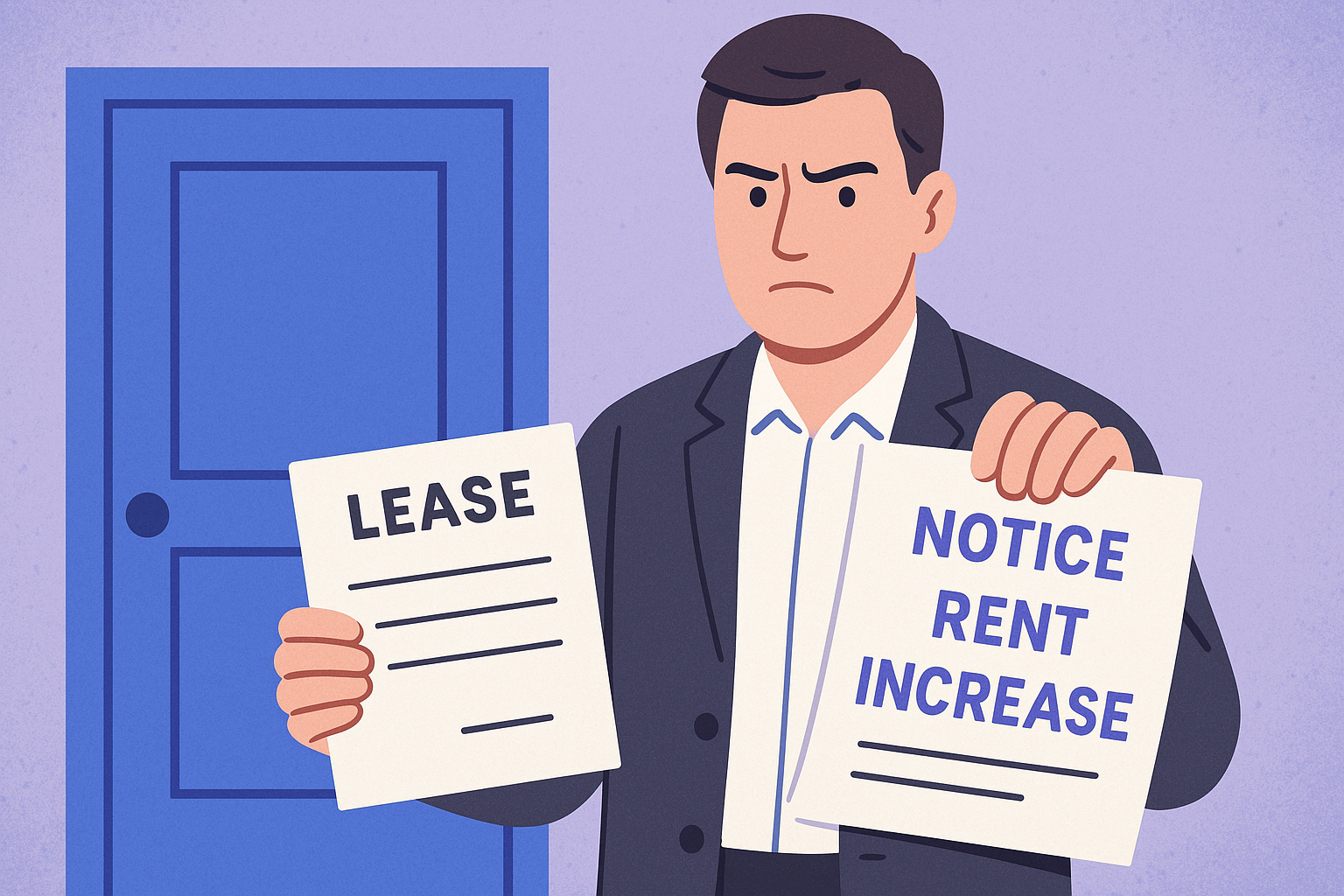
When You Can (and Can't) Raise Rent Mid-Lease
When You Can (and Can't) Raise Rent Mid-Lease
You cannot unilaterally raise rent in the middle of a lease. That is the rule. But the rule has edges—and knowing exactly where those edges are is what separates operators who stay out of legal trouble from those who don't. Whether you manage a single-family rental or a multi-unit niche site portfolio of properties, the details here matter. Get them wrong and you pay for it.
The Core Rule: Lease Terms Lock in Rent
A lease is a binding contract. The rent amount is a material term—both parties agreed to it for a defined period. Once signed, that number is locked until the lease end date. No exceptions based on what you wish you had charged. This mutual commitment is what gives the rental relationship its stability. It protects the tenant. It also protects you.
When You Can Raise Rent Mid-Lease
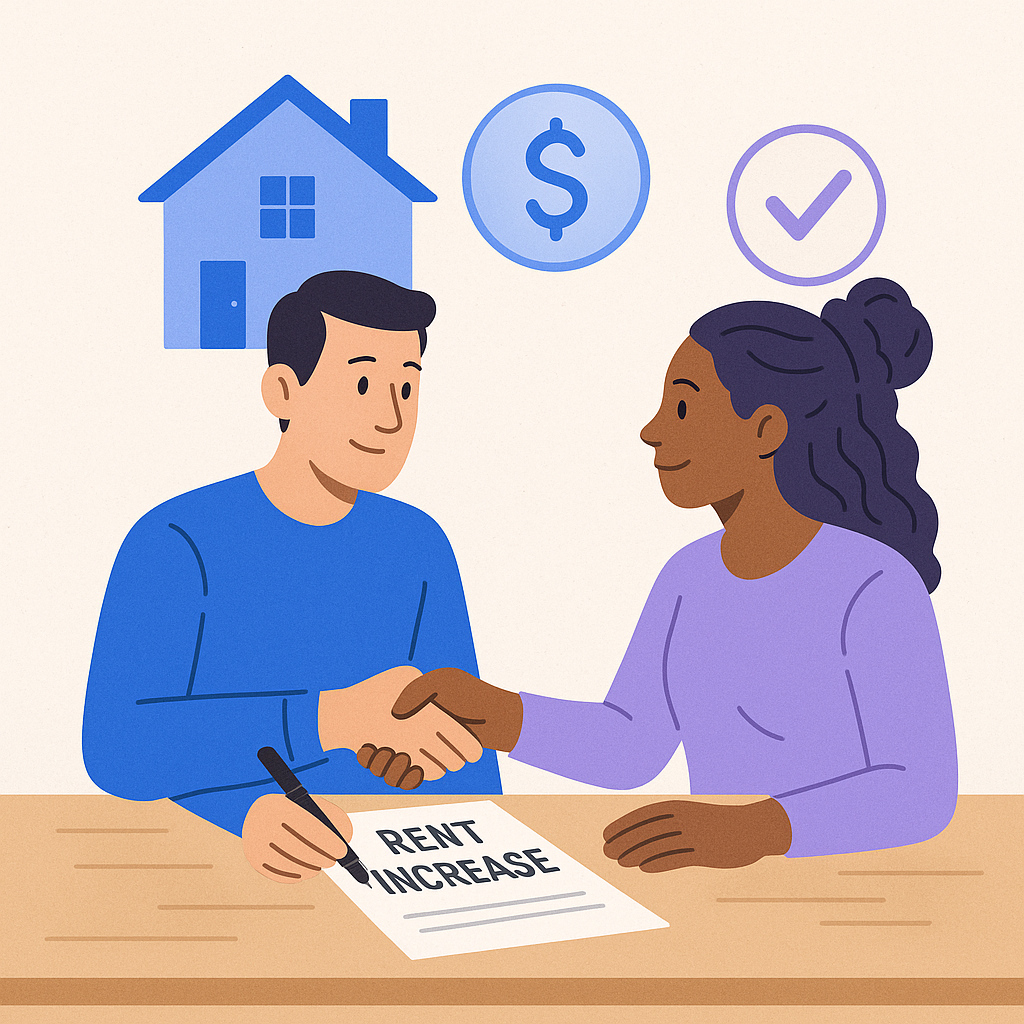
The core rule is firm. But there are specific circumstances where a mid-lease adjustment is legally permissible. Know them cold.
- Tenant Agreement in Writing: Both parties consent to an increase and document it in writing. No handshake deals. Paper only.
- Lease Clause Permitting Increases: Some leases include escalation clauses tied to property tax increases or other defined cost triggers. If it is in the lease, it is enforceable.
- Rent Control Exemptions: New constructions and certain property types are often exempt from rent control. Exemption means more flexibility—but verify your jurisdiction's definition before assuming.
- Utility Pass-Throughs or Operating Cost Adjustments: If the lease explicitly allows it, you can pass increased utility or operating costs to the tenant. The lease language must be unambiguous.
- Jurisdiction-Specific Allowances: Some jurisdictions permit mid-lease increases under defined conditions, typically with mandatory written notice.
State and Local Laws That Override the Default
State and local law can override what your lease says. In rent-controlled markets, local ordinance often wins. Build in silence on this assumption: always check the local rules first.
- Rent Control Jurisdictions: These markets impose strict caps on when and how much rent can increase. Your lease does not override them.
- Notice Requirements: Required notice periods range from 30 to 90 days depending on the state. Skipping proper notice voids the increase.
- Capital Improvements: Some states allow rent increases to offset documented capital improvement costs—but only after approval from the relevant housing authority.
- Tenant Protections: Many jurisdictions cap the frequency and magnitude of increases regardless of what the lease says.
What Happens If You Try to Raise Rent Illegally
An illegal rent increase is not just a paperwork error. The consequences compound fast.
- Retaliatory Eviction Claims: Tenants can frame an unlawful increase as retaliation. That framing opens the door to legal disputes you do not want.
- Fines and Penalties: Regulatory bodies in rent-controlled jurisdictions impose real financial penalties. They are not symbolic.
- Damage to Tenant Relationships: Illegal moves accelerate turnover. Vacancy costs eat into your net operating income faster than any rent increase would have recovered.
- Class Action Exposure: In some jurisdictions, a pattern of illegal increases across multiple units can trigger class action liability. The financial and reputational damage is severe.
How to Raise Rent Legally: The Process
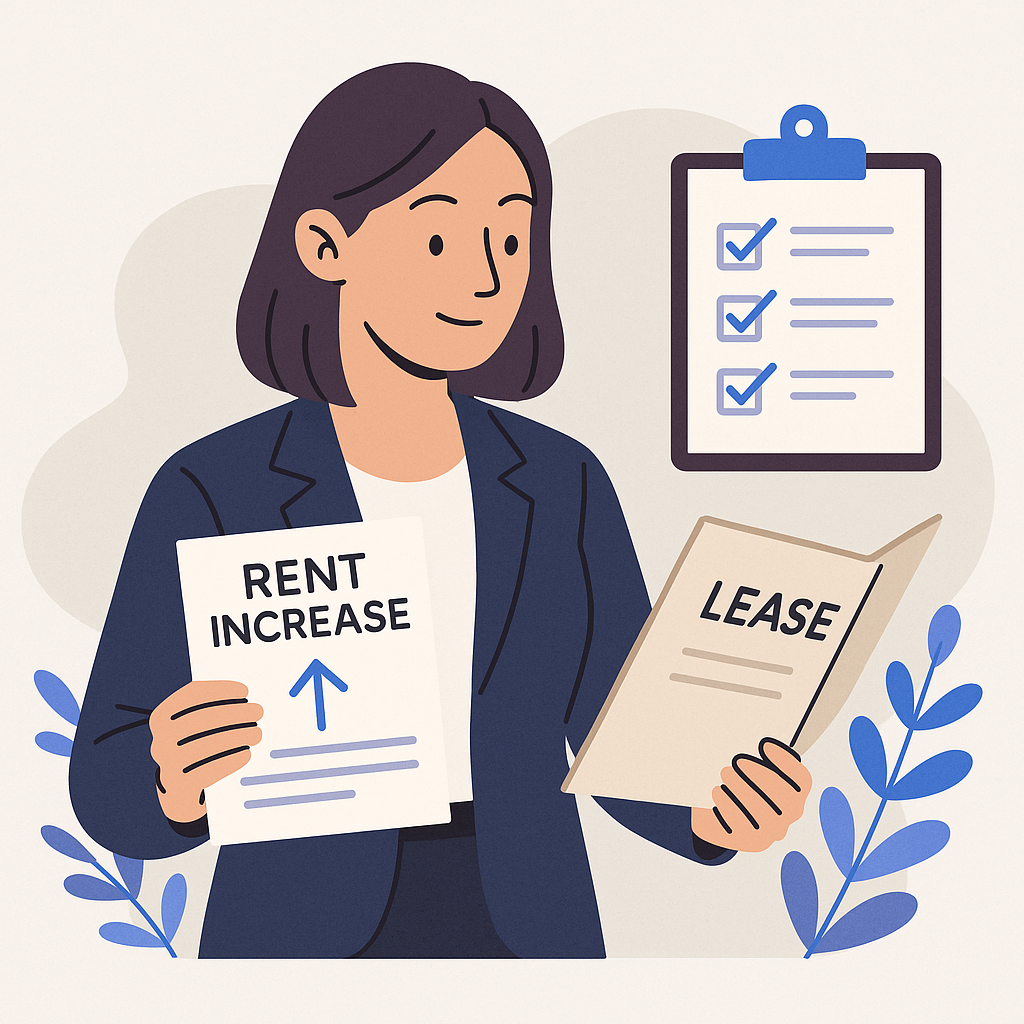
There is a repeatable system for doing this right. Follow it every time.
- Check Your Lease Language: Read the actual clause. Not your memory of it. The exact language determines what is permissible.
- Verify State and Local Law: Confirm compliance with every applicable regulation before you send a single notice.
- Provide Written Notice: If an increase is permissible, deliver written notice within the required lead time. Document the delivery method.
- Document Tenant Agreement: If the increase depends on tenant consent, get it in writing. A verbal yes is worth nothing in a dispute.
- Know When the Increase Takes Effect: State the effective date clearly. Ambiguity creates disputes. Disputes cost money.
Mid-Lease Increases That Don't Count as 'Rent'
Not every mid-lease cost adjustment is a rent increase. Understanding the distinction keeps you compliant and your tenants informed.
- Utility Cost Pass-Throughs: If the lease permits it and costs are documented separately, utility increases can be passed through without touching the base rent figure.
- CAM (Common Area Maintenance) Adjustments: CAM charges fluctuate with actual maintenance costs and are typically reconciled annually. They are not rent.
- Property Tax Increases: Leases that include a tax escalation clause allow landlords to pass through verified property tax increases.
- Insurance Cost Increases: Similar to property taxes, insurance cost pass-throughs are permissible when the lease explicitly provides for them.
The silent operator who understands these distinctions does not stumble into compliance violations. Transparent communication with tenants on each line item prevents disputes before they start. That is how you protect your cash flow and your reputation at the same time.
For more tools and frameworks on managing rental properties effectively, explore Arcano Labs.
Case Studies: Real-World Scenarios of Mid-Lease Rent Adjustments
Real scenarios reveal how these rules play out when the pressure is on. Two cases worth studying closely.
Case Study 1: Navigating Utility Cost Pass-Throughs
A landlord in a suburban market faced a sharp increase in water utility rates tied to local infrastructure upgrades. The lease included a utility pass-through clause. The landlord moved methodically—documenting the new rate schedule, calculating each tenant's share, and communicating the change in writing with full supporting detail. No surprises. No disputes. The increase went through cleanly because the groundwork was already in the lease and the process was executed without shortcuts.
Case Study 2: Rent Adjustment for Capital Improvements
A multi-unit property owner replaced an aging heating system—a qualifying capital improvement under local law. The jurisdiction permitted a rent increase to offset documented improvement costs, but only after housing authority approval. The landlord submitted the required paperwork, received approval, and communicated the modest increase to tenants with a full cost breakdown. Tenants understood what they were paying for. Satisfaction held. Compliance was clean. That is what building in silence looks like in practice: doing the work before the conversation, not after.
FAQs About Mid-Lease Rent Adjustments
The questions landlords ask most often—answered directly.
- Can a landlord increase rent due to a property tax increase mid-lease? Yes, if the lease includes a tax escalation clause and local law permits it. Both conditions must be met. One without the other is not enough.
- What happens if a tenant refuses a mid-lease rent increase? If the increase is not legally authorized or not agreed to in writing, the tenant has every right to refuse. You are bound by the original lease terms.
- Can landlords and tenants negotiate a mid-lease increase? Yes. Any negotiated adjustment must be documented in writing and must comply with local law. Verbal agreements do not hold.
- How much notice is required for a mid-lease rent increase? It depends on state and local regulations and your lease terms. The typical range is 30 to 90 days. Verify the exact requirement for your jurisdiction before acting.
Key Performance Indicators (KPIs) for Monitoring Rent Adjustment Impact
You raised rent. Now measure what it actually did to your operation. These are the numbers that tell the real story.
- Tenant Retention Rate: Track the percentage of tenants who renew after an increase. Retention is the clearest signal of whether the adjustment was priced correctly.
- Vacancy Rate: Watch for vacancy movement in the months following an adjustment. A spike tells you the market did not absorb the increase the way you expected.
- Net Operating Income (NOI): Compare NOI before and after the adjustment. Revenue gains erased by turnover costs are not gains at all.
- Tenant Feedback: Collect it systematically. Tenant perception of a rent increase shapes renewal decisions long before the lease end date arrives.
Track these numbers consistently and you build a data-driven picture of how your properties respond to pricing decisions. That picture compounds over time. Operators who read it clearly make better calls on every adjustment that follows.