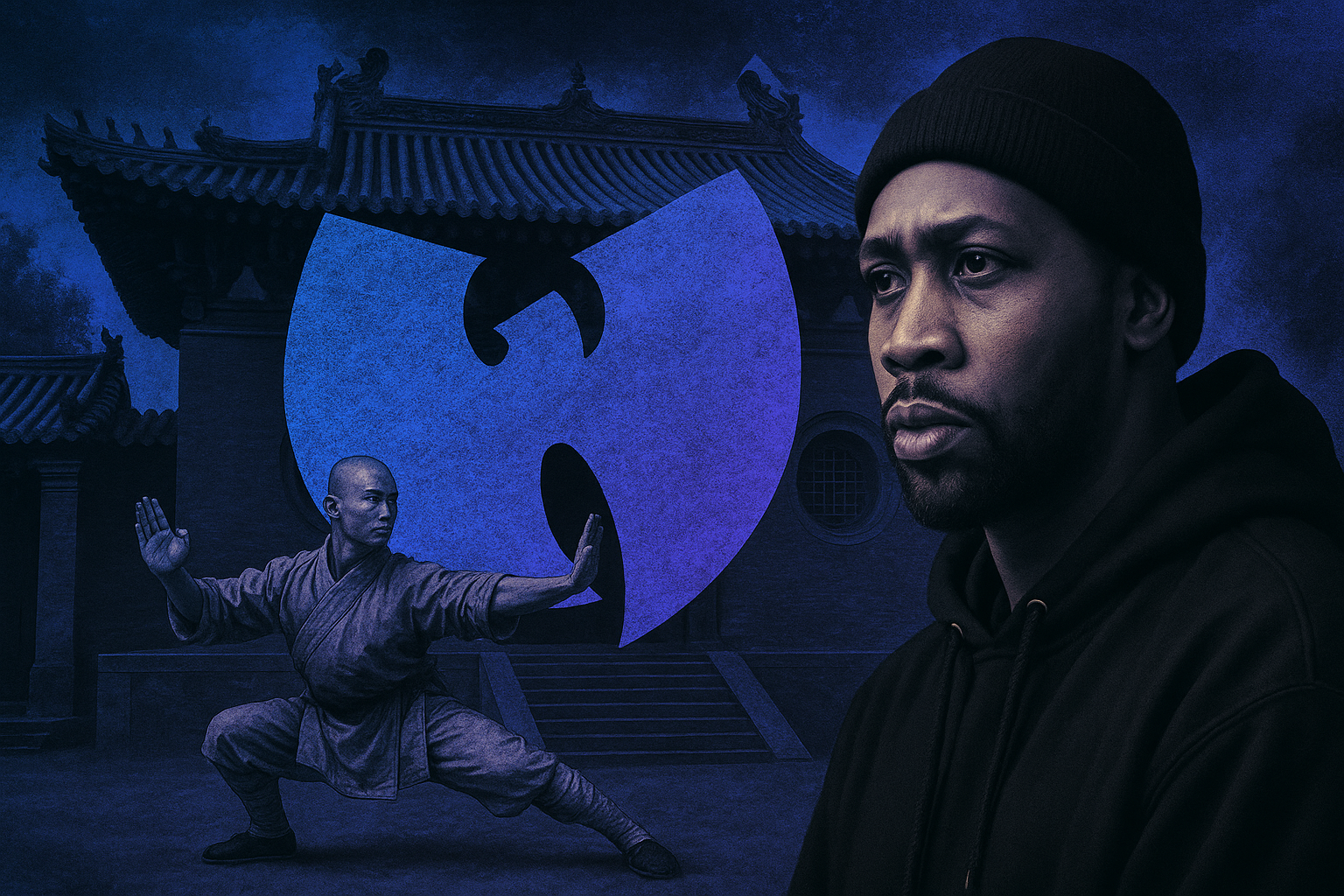
The Unbreakable Bond: Wu-Tang Clan and the Shaolin Legacy
The Unbreakable Bond: Wu-Tang Clan and the Shaolin Legacy
The Unbreakable Bond: Wu-Tang Clan and the Shaolin Legacy
When you think of the Wu-Tang Clan, images of gritty urban landscapes and lyrical mastery likely come to mind. But beneath the surface lies a deep, unbreakable bond with the Shaolin legacy—a connection that has not only defined their artistic journey but also carved a niche in the entertainment and pop culture landscape. This article explores this unique relationship, offering insights into how the Wu-Tang Clan has seamlessly fused music with martial arts philosophy, creating a cultural phenomenon that resonates with audiences worldwide.
The Origins of the Wu-Tang Clan

Born out of the streets of Staten Island in the early 1990s, the Wu-Tang Clan emerged as a force to be reckoned with in hip-hop. Their debut album, Enter the Wu-Tang (36 Chambers), was a raw, unapologetic statement that introduced the world to their unique style. Central to their identity was the influence of Shaolin Kung Fu, a theme that permeated their lyrics, music videos, and overall aesthetic.
RZA, the group's de facto leader, often cites martial arts films as a critical inspiration. The Shaw Brothers' films, in particular, left a lasting impression, with their tales of discipline, resilience, and brotherhood mirroring the group's ethos. This cultural fusion was not just thematic; it became a branding powerhouse that set Wu-Tang apart in the crowded music industry.
Key Elements of the Shaolin Legacy in Wu-Tang's Music
- Philosophical Depth: Many tracks explore themes of discipline and self-mastery, reflective of Shaolin teachings.
- Visual Imagery: Music videos and album covers often incorporate martial arts motifs and aesthetics.
- Lyricism: Lyrics frequently reference Kung Fu techniques, films, and philosophies.
Building a Brand: The Wu-Tang Business Model

The Wu-Tang Clan's business strategy is as innovative as their music. By leveraging the mystique of the Shaolin legacy, they've created a brand that extends far beyond music. Their approach provides actionable insights for entrepreneurs and creators aiming to build sustainable, passive income systems.
Strategies for Success
- Merchandising: Wu-Tang's merchandise, from apparel to collectibles, capitalizes on their iconic branding. Entrepreneurs can replicate this by developing unique, brand-specific merchandise. Consider using platforms like Printful or Teespring to manage production and distribution.
- Licensing and Collaborations: Wu-Tang has effectively licensed their brand for various products, from video games to branded beverages. For businesses, strategic partnerships can open new revenue streams. Platforms like ArcanoLabs offer tools to manage collaborations efficiently.
- Digital Presence: Maintaining a strong online presence is crucial. Wu-Tang leverages social media and streaming platforms to reach global audiences. For creators, tools like Buffer or Hootsuite can streamline social media management.
Implementing Shaolin Principles in Business

Just as the Wu-Tang Clan has drawn from Shaolin philosophy, business professionals can apply these principles to their ventures. Here’s a step-by-step guide to integrating these timeless teachings into your business model:
Step 1: Embrace Discipline
Shaolin monks are renowned for their discipline, a trait that is crucial in business. Set clear goals and create a daily routine to achieve them. Use project management tools like Trello or Asana to keep your team on track.
Step 2: Focus on Continuous Learning
Shaolin philosophy emphasizes lifelong learning. Encourage your team to engage in ongoing education through online courses and workshops. Platforms like Coursera and Udemy offer courses tailored to business needs.
Step 3: Cultivate Resilience
In both martial arts and business, resilience is key. Develop strategies to handle setbacks, such as risk management plans and contingency strategies. Consider using SWOT analysis to identify potential challenges and opportunities.
The Cultural Impact of Wu-Tang and Shaolin

The Wu-Tang Clan's impact extends beyond their music, influencing fashion, cinema, and even business philosophies. Their integration of Shaolin principles has not only enriched their artistry but also provided a blueprint for cultural fusion that resonates with audiences globally.
For professionals looking to emulate this success, the lesson is clear: authenticity combined with strategic branding can create a lasting legacy. By understanding and applying the principles that the Wu-Tang Clan embodies, you too can build a brand that stands the test of time.
Conclusion: Taking Action with the Wu-Tang and Shaolin Legacy
As we’ve explored, the bond between the Wu-Tang Clan and the Shaolin legacy is more than a cultural footnote—it's a strategic blueprint for success. By adopting similar principles of discipline, continuous learning, and authenticity, you can transform your business and creative endeavors.
Ready to take the next step? Dive into platforms like ArcanoLabs' blogs for further insights on building systems that run while you sleep. Whether you're crafting a new brand or enhancing your existing one, the lessons from Wu-Tang and Shaolin offer a roadmap to enduring success.
Remember, it’s not about the hype, but the receipts you can show for your efforts. Embrace the teachings, implement the strategies, and watch your business grow.
Key Performance Indicators (KPIs) for Implementing Shaolin Principles in Business

To effectively integrate Shaolin principles into your business, it’s essential to establish Key Performance Indicators (KPIs) that align with these philosophies. By doing so, you can measure the impact of these strategies on your organization’s growth and sustainability.
Discipline-Driven KPIs
- Goal Achievement Rate: Track the percentage of strategic goals met within set timelines. This KPI reflects the discipline in execution and adherence to planned strategies.
- Time Management Efficiency: Measure the time taken to complete tasks against the planned schedule. Tools like Toggl can assist in tracking time and improving efficiency.
Continuous Learning KPIs
- Training Participation Rate: Monitor the percentage of team members actively engaging in professional development opportunities. This reflects your organization’s commitment to continuous learning.
- Skill Acquisition Metrics: Assess the number of new skills acquired by team members over a specific period. Platforms like LinkedIn Learning can provide insights into learning trends and outcomes.
Resilience-Oriented KPIs
- Recovery Time After Setbacks: Evaluate the time taken for your business to bounce back from challenges or disruptions. Shorter recovery times indicate stronger resilience.
- Employee Wellbeing Index: Use surveys to gauge employee morale and stress levels, ensuring that resilience is maintained without sacrificing wellbeing.
Case Study: Wu-Tang Clan's Brand Expansion

Understanding how the Wu-Tang Clan applied Shaolin principles to expand their brand offers valuable insights for businesses aiming for growth and diversification.
Strategic Licensing and Collaborations
One of Wu-Tang Clan’s notable strategies was their approach to licensing and collaborations. By aligning with brands that resonated with their Shaolin-inspired ethos, they extended their reach beyond music. For instance, Wu-Tang’s collaboration with brands like Clarks Originals for custom footwear showcased their ability to blend cultural heritage with modern fashion.
Lesson for Businesses: Identify partnerships that complement your brand's core values and expand your market presence through strategic collaborations. Ensure that these partnerships are authentic and align with your brand's narrative.
Diversified Revenue Streams
In addition to their music, Wu-Tang Clan ventured into various industries, including video games and apparel, creating multiple revenue streams. Their limited-edition album, Once Upon a Time in Shaolin, exemplified innovation by being sold as a single-copy album, merging art with exclusivity.
Lesson for Businesses: Explore unique product offerings that stand out in the market. Consider limited editions or exclusive releases to create buzz and attract niche audiences while diversifying income sources.
FAQs: Applying Shaolin Principles in Modern Business

What are the key challenges in implementing Shaolin principles in business?
The primary challenges include maintaining consistent discipline, ensuring continuous learning amidst daily operations, and fostering resilience in high-pressure environments. Overcoming these requires dedicated leadership and a culture that supports these values.
How can small businesses benefit from Shaolin principles?
Small businesses can benefit by enhancing their operational efficiency through disciplined practices, fostering innovation and adaptability through continuous learning, and building a resilient mindset to navigate market fluctuations.
Are there tools to help integrate these principles effectively?
Yes, tools like Asana for project management, Coursera for continuous learning, and SWOT analysis for resilience planning can aid in the effective integration of Shaolin principles into business operations.