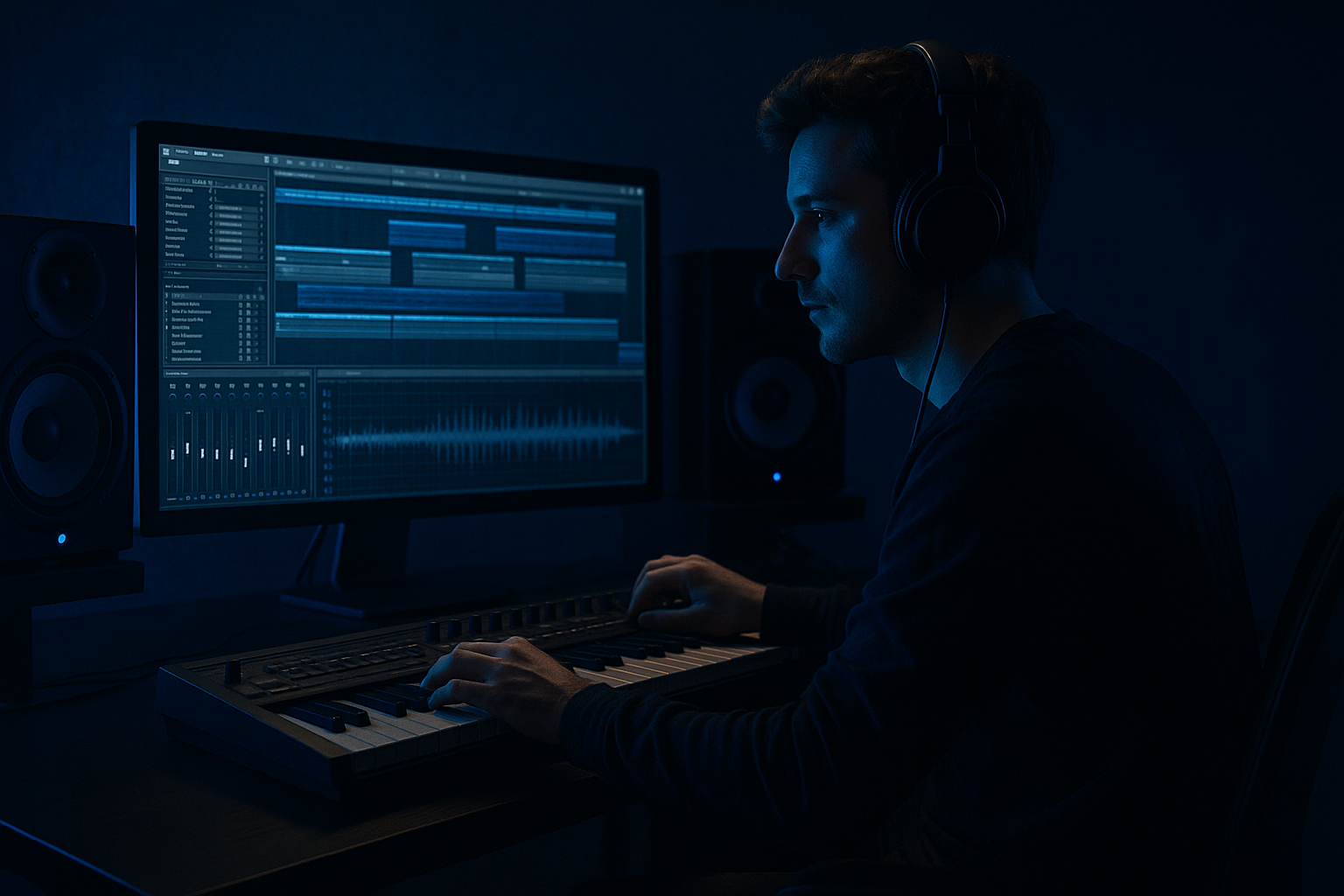
Mastering the Art of Creating Cinematic Soundscapes: A Step-by-Step Guide for Music Producers
Mastering the Art of Creating Cinematic Soundscapes: A Step-by-Step Guide for Music Producers
Mastering the Art of Creating Cinematic Soundscapes: A Step-by-Step Guide for Music Producers
Most producers chase the sound they hear in their head and never get there. The ones who do aren't more talented. They're more systematic. Cinematic soundscapes aren't painted by inspiration alone — they're built layer by layer, decision by decision, with the right tools and a clear process. This guide gives you that process.
The Foundation of Cinematic Soundscapes
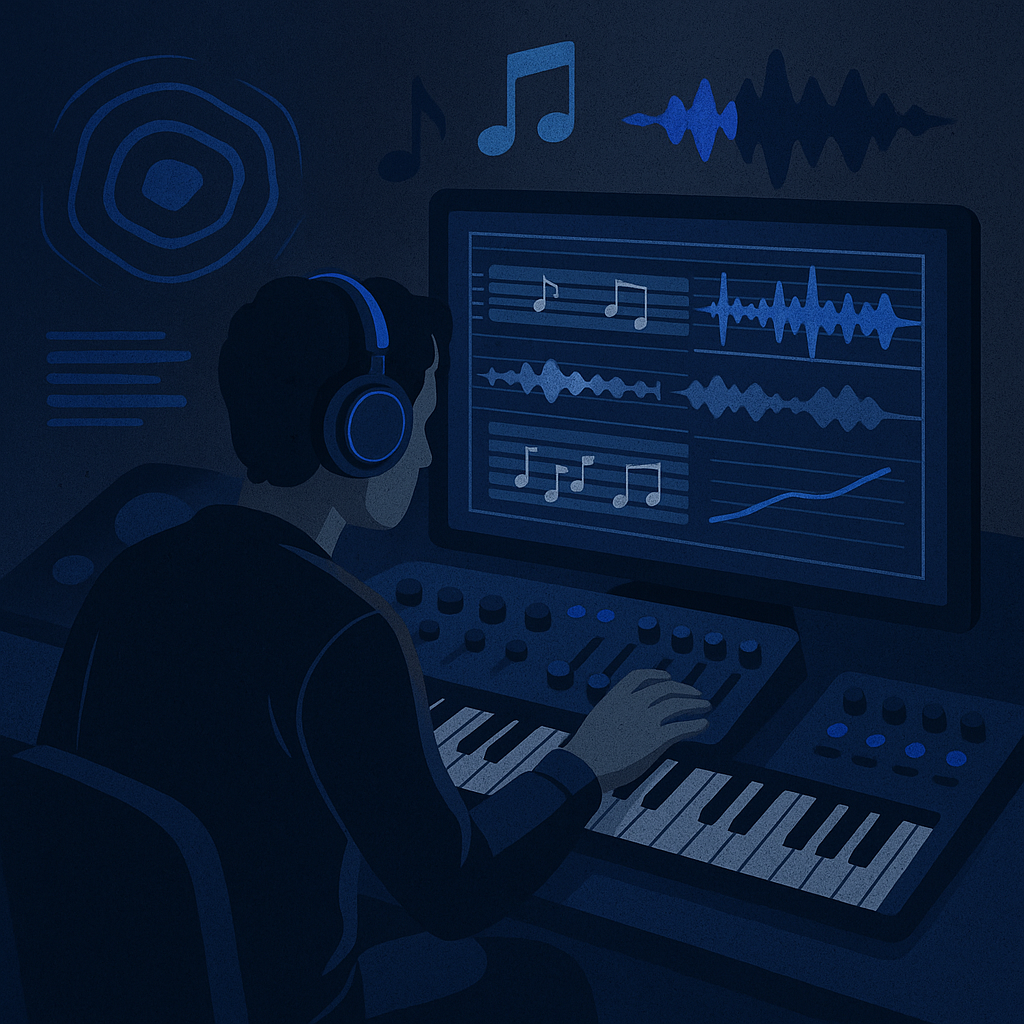
A cinematic soundscape is not a single sound. It's an architecture. Melodies, harmonies, textures, and dynamics stacked with intention — each layer earning its place. Before you touch a fader, you need to understand what you're building and why every element belongs.
1. Setting the Scene with Sound Design
Sound design is where your soundscape begins. It's the act of choosing and shaping audio elements until they create a specific atmosphere. Pick a mood or theme before you open a single plugin. A visual scene, a story beat, a raw emotion — any of these can anchor your direction.
- Tools: Kontakt (pricing varies) gives you a deep library of samples to work from without reinventing the wheel.
- Tip: Stack different sound textures in layers. Apply reverb and delay deliberately — not to fill space, but to define it.
2. Crafting Melodic and Harmonic Layers
Melody and harmony give your soundscape its spine. They provide the musical structure that holds everything else together.
- Strategy: Start with a single motif. Keep it simple. Then build outward — add harmonies, introduce counter-melodies, let complexity arrive naturally.
- Tools: iZotope Ozone (starting at $129) handles mastering and mix balance with precision.
Implementing Advanced Techniques
Once the foundation is solid, you add the details that separate a competent track from an unforgettable one.
3. Utilizing Field Recordings
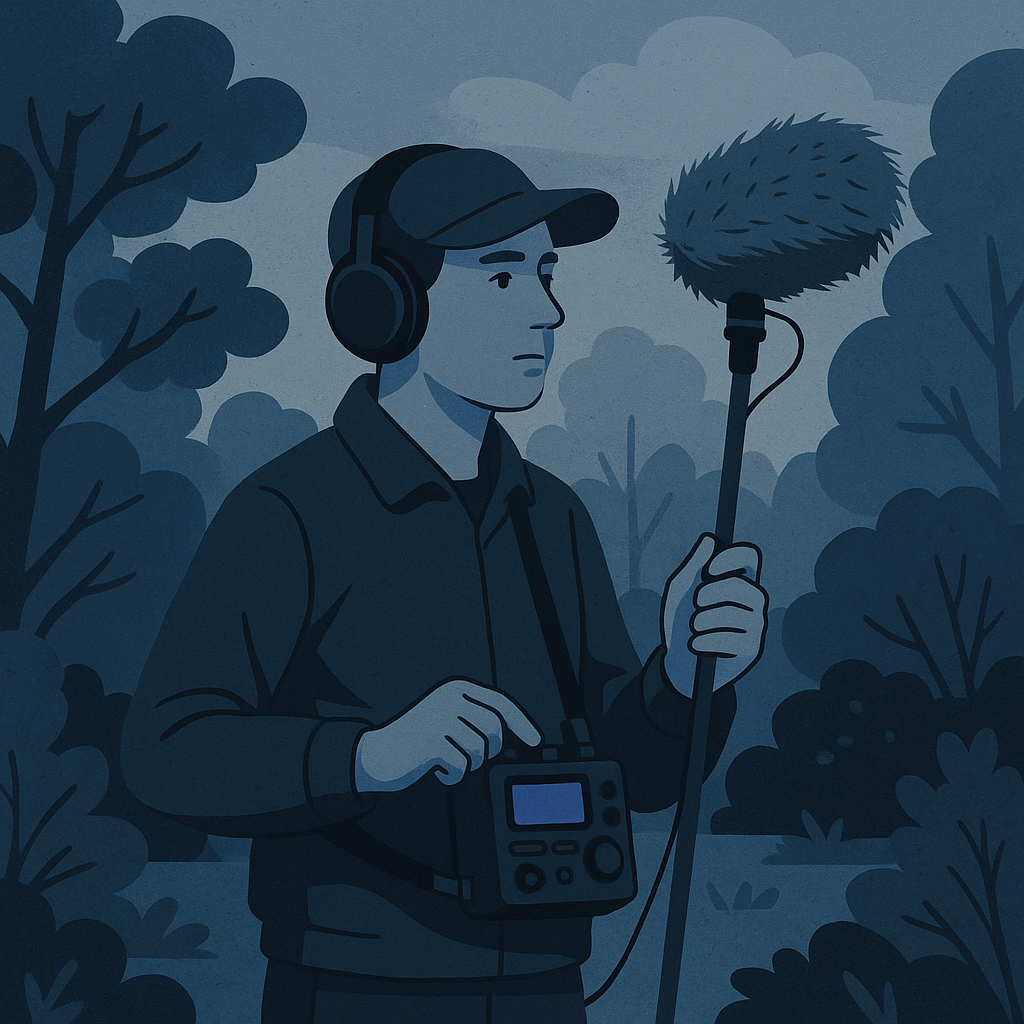
Field recordings inject reality into your composition. The rustle of leaves, distant traffic, rain on concrete — these sounds root the listener in a physical world. That grounding is powerful.
- Tools: The Zoom H5 (around $279) captures broadcast-quality audio anywhere you take it.
- Tip: Sit these recordings underneath your primary elements. They should be felt more than heard.
4. Incorporating Synthesizers
Synthesizers let you design sounds that don't exist anywhere else. That's your competitive edge — a sonic identity no sample library can replicate.
- Tools: Arturia Pigments ($199) delivers a versatile sound engine with deep modulation routing.
- Strategy: Use modulation and automation to keep your soundscape moving. Static textures lose listeners. Evolving ones hold them.
Polishing Your Soundscape
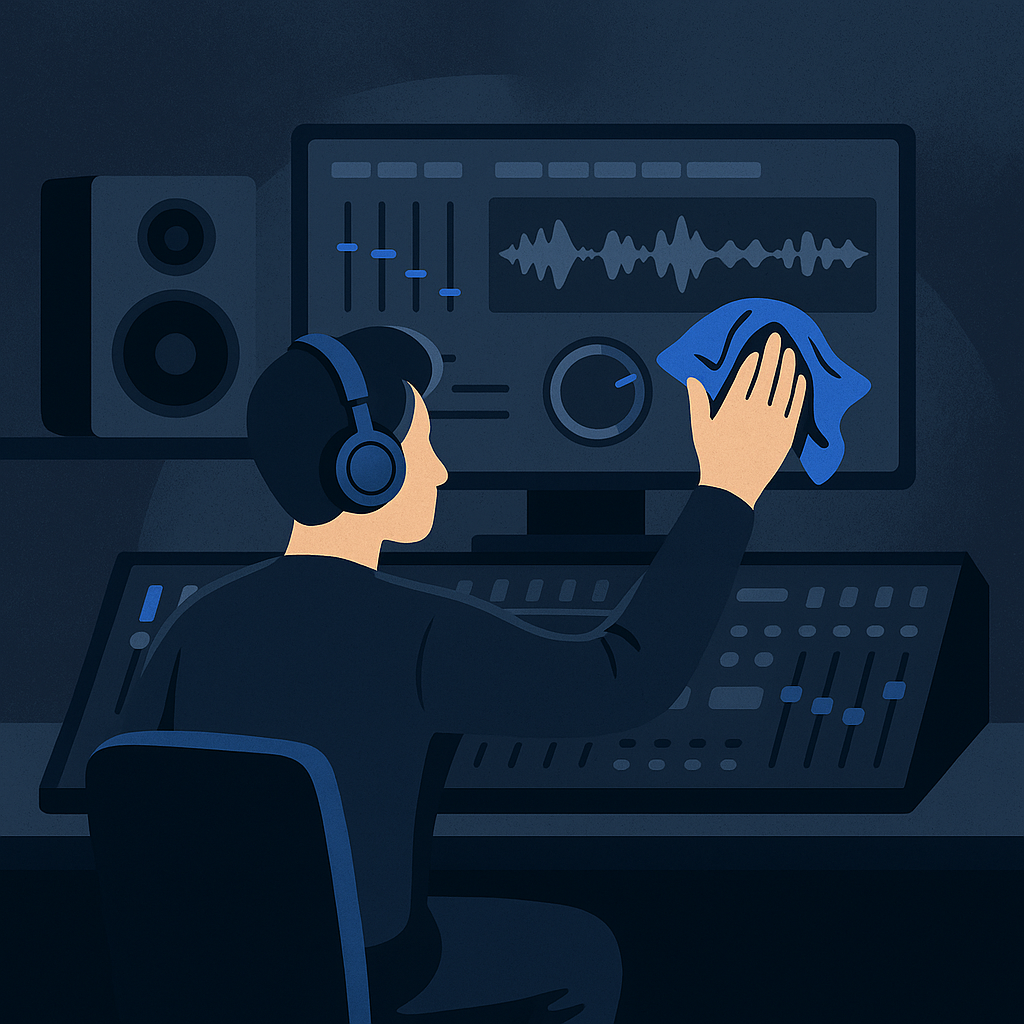
The core is built. Now you refine it. This stage determines whether your soundscape lands with impact or falls flat on delivery.
5. Mixing and Mastering
A great mix gives every element room to breathe. A great master makes the whole thing translate — on headphones, speakers, and everything in between.
- Tools: Waves NX (starting at $49) provides spatial audio mixing inside a virtual studio environment.
- Tip: EQ and compression are not decoration. Use them to control dynamics and frequency balance with intention, not habit.
6. Final Touches and Exporting
Before you export, listen critically. Not creatively — critically. You're auditing, not admiring. Make the adjustments the track needs, not the ones you feel like making.
- Strategy: Reference against professional tracks in your genre. Your soundscape should hold up in that company.
- Tip: Export in WAV or FLAC. Preserve every bit of fidelity you worked to build.
Next Steps for Aspiring Music Producers
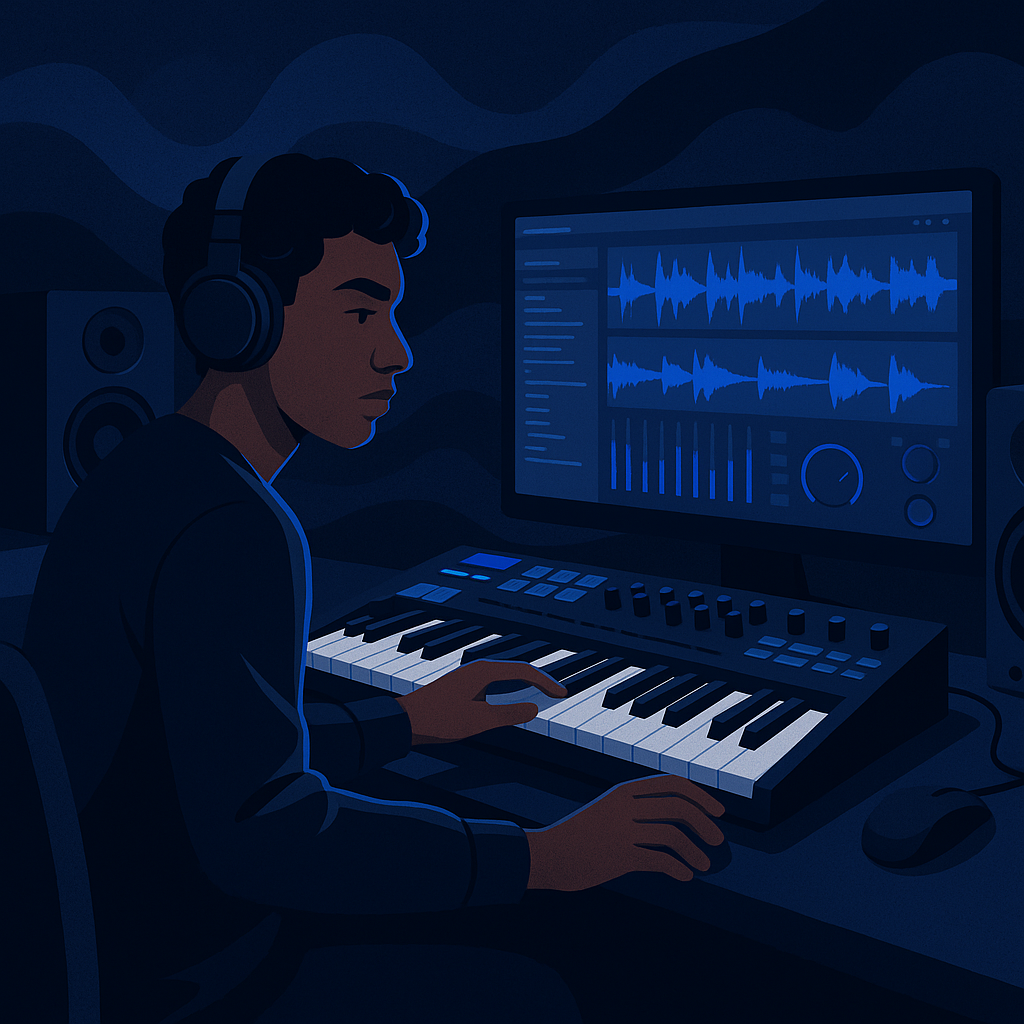
Building cinematic soundscapes is a long game. The producers who get good at it don't stop at one technique — they test relentlessly, stack what works, and discard what doesn't. Explore ArcanoLabs for additional resources and tools that sharpen your production capabilities.
For deeper dives into music production and sound design, visit our blog.
You now have the framework. The next move is yours. Open your DAW, apply one technique from this guide, and build from there. Don't wait for the perfect moment. The producers who win start before they're ready.
Push the boundaries of what your soundscape can do. Test new sounds. Let the work compound. That's how you build something that resonates long after the track ends.
Integrating Emotional Dynamics in Soundscapes
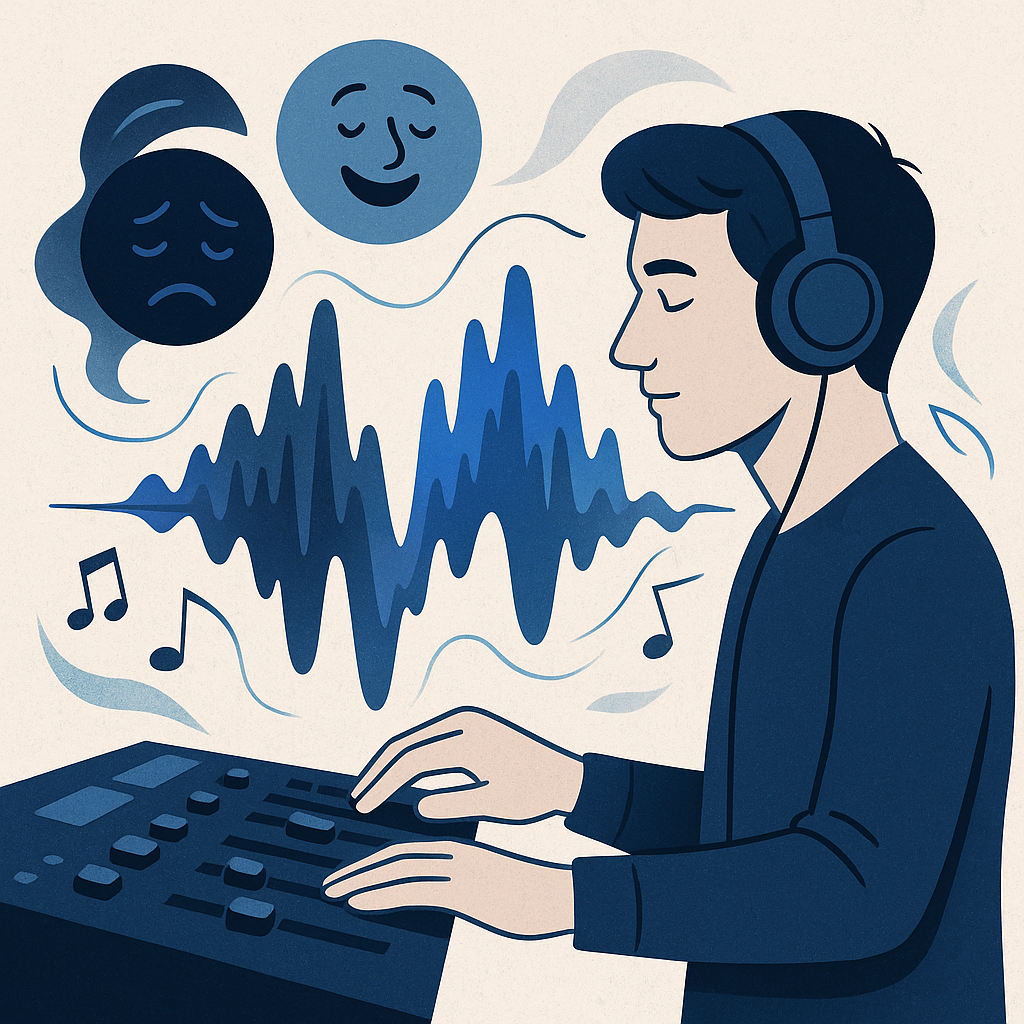
Technical execution gets you in the room. Emotional dynamics keep people listening. Your soundscape needs to move — not just sonically, but emotionally. That means engineering an arc, not just a texture.
Dynamic Contrast and Progression
Volume, tempo, and intensity are your controls. Use them to map an emotional journey across the full length of your piece. Flat dynamics produce flat responses.
- Strategy: Open with something quiet and deliberate. Pull the listener in before you build. Escalate toward a climax, then resolve — don't just stop.
- Tip: Crescendo and decrescendo are not just volume moves. They're emotional signals. Use them with purpose.
Emotional Anchors
Recurring motifs give your listener something to hold onto. They create familiarity inside complexity — and familiarity builds emotional investment.
- Strategy: Develop a signature sound or melody. Bring it back at key moments. Let it carry the emotional weight of the piece.
- Tools: Samplers and loopers let you test variations on your anchors quickly, without losing the original.
Collaborating with Visual Media
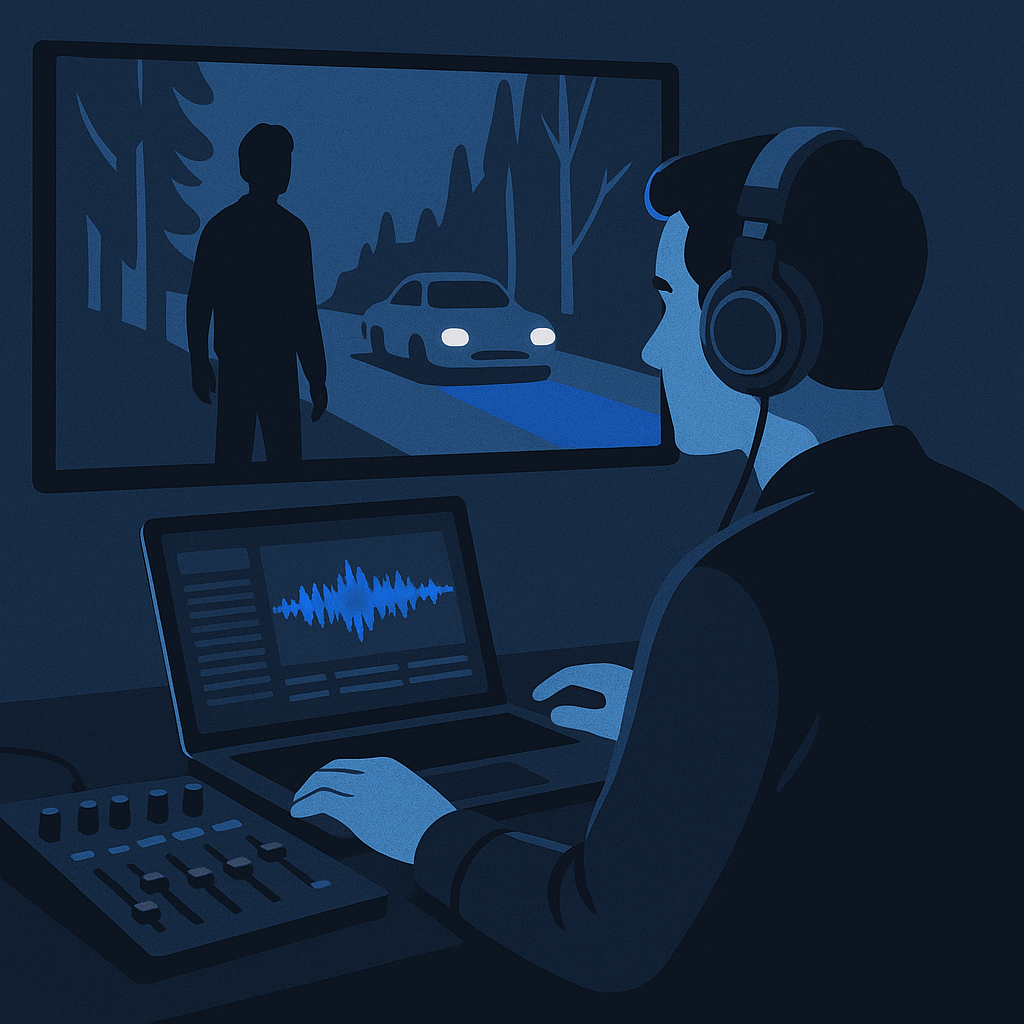
When your soundscape serves a film, game, or installation, the rules shift. You're no longer composing in isolation. You're composing in service of a larger story. That requires precision and collaboration.
Syncing Sound to Visual Cues
The right sound at the right frame changes everything. Miss the cue and the scene loses its impact. Nail it and the audience doesn't notice the music — they just feel the moment.
- Strategy: Map out the visual moments that demand sonic emphasis — an emotional shift, a scene cut, a dramatic beat. Score to those markers first.
- Tools: DAWs with video sync capabilities like Pro Tools let you align your audio timeline directly to video frames.
Soundtrack Integration
Your soundscape is one voice in a larger conversation. Dialogue and sound effects are also in that mix. Your job is to complement them, not compete.
- Strategy: Manage your volume and frequency range so the soundscape supports the scene without swallowing it.
- Tip: Work directly with directors and sound designers early. Alignment at the start saves painful revisions at the end.
Case Study: A Composer's Journey to Cinematic Soundscapes
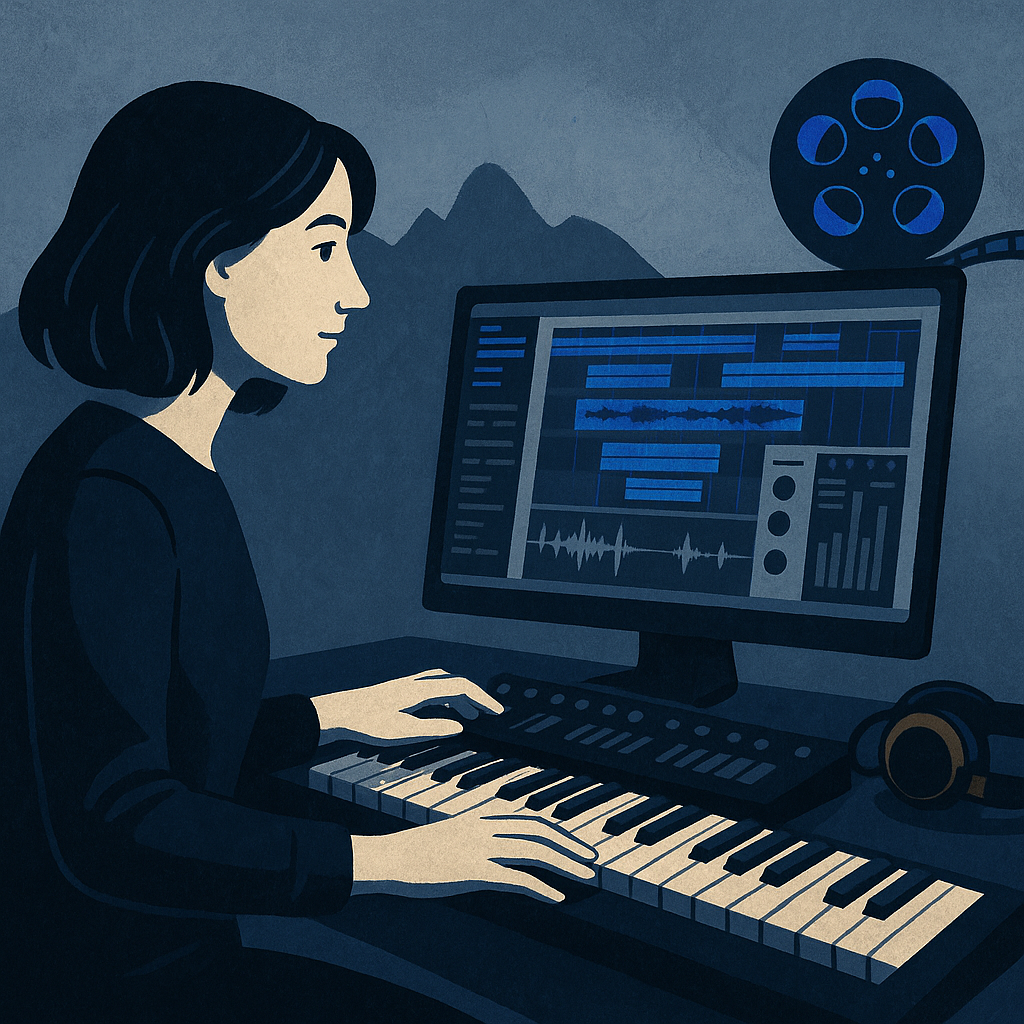
Theory is useful. Proof is better. Here's what the process actually looks like when a real producer commits to it.
Background and Inspiration
Emily was a trained pianist and composer. She attended a film scoring workshop and something clicked. The emotional power of sound aligned with story — she had to pursue it. So she did.
Challenges and Solutions
Classical training doesn't automatically translate to digital sound design. Emily had to build new skills from scratch. She did it two ways:
- Learning New Tools: She committed time to mastering DAWs like Logic Pro and worked through virtual instruments until they felt natural.
- Seeking Mentorship: She found established composers, asked direct questions, and applied their feedback without ego.
Success and Impact
Her soundscapes landed in an independent film. The response focused on emotional depth and innovative sound design. She kept building. She kept testing. Her work continues to push what's possible — and it's pulling other producers forward with it.
Emily's path is a blueprint. Persistence and systematic improvement beat raw talent every time.
Key Performance Indicators for Soundscape Success
You can't improve what you don't measure. Track these indicators to know whether your soundscapes are actually working:
- Audience Engagement: Read listener feedback and reviews. Emotional impact shows up in how people describe what they heard.
- Project Integration: Assess how well your soundscape serves the visual media it accompanies. Does it elevate the story or distract from it?
- Industry Recognition: Awards, nominations, and placements in notable projects are external signals that your work is landing.
- Creative Growth: Track your own evolution. Are you experimenting with new techniques? Are you solving problems you couldn't solve six months ago?
These KPIs keep you honest. Use them to refine your approach and raise your standard with every project.
Exploring Cultural Influences in Cinematic Soundscapes
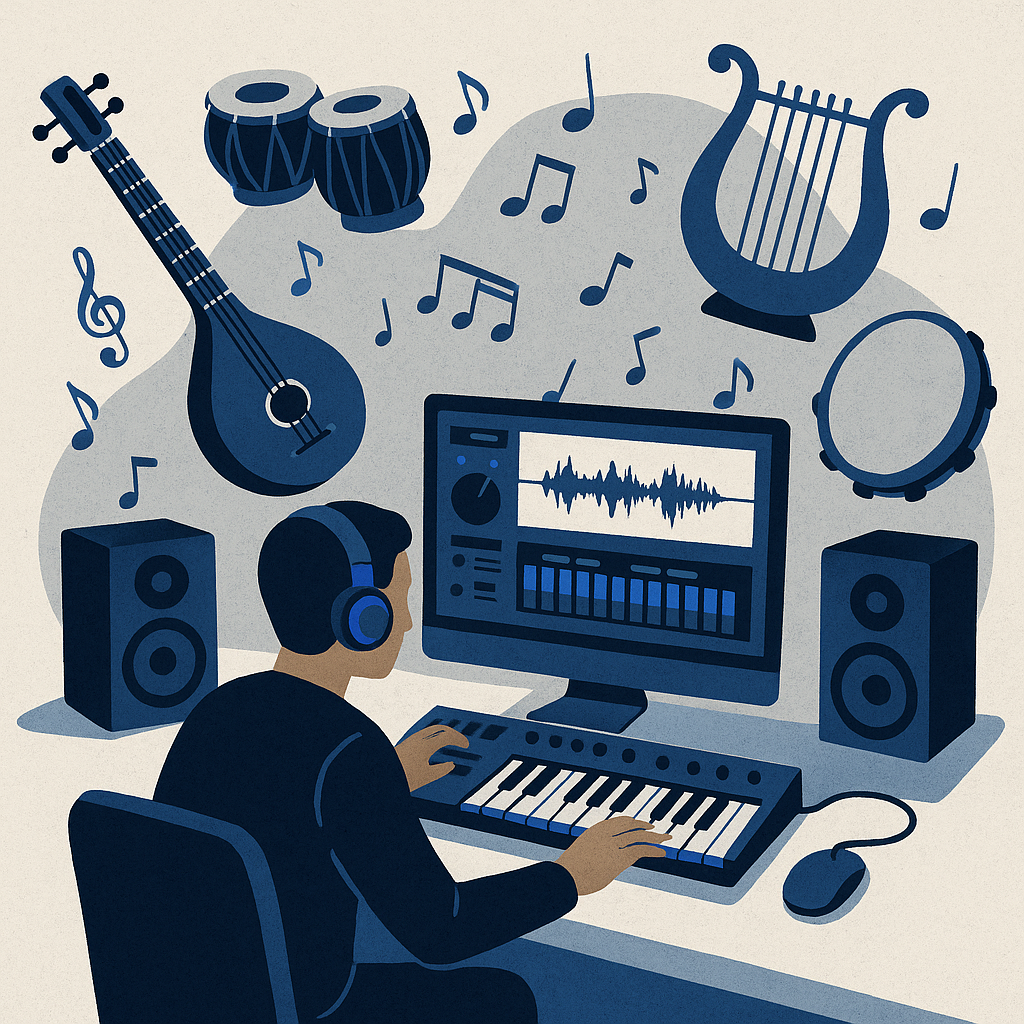
The producers building the most distinctive soundscapes aren't pulling from the same pool as everyone else. They're going wider. Cultural influences — traditional instruments, non-Western scales, rhythmic structures from across the world — add depth that generic sample packs simply can't deliver.
Incorporating World Instruments
World instruments carry timbres and textures that Western production rarely touches. That unfamiliarity is an asset. It signals something different before a single note resolves.
- Strategy: Introduce instruments like the sitar, djembe, or shakuhachi when your soundscape calls for a specific cultural atmosphere or emotional register.
- Tools: Virtual instrument libraries like Native Instruments' India provide authentic samples without requiring access to rare physical instruments.
Exploring Non-Western Scales and Rhythms
Pentatonic, raga, microtonal — these harmonic systems operate by different rules. That's exactly why they're valuable. They push your composition into territory that standard chord progressions can't reach.
- Strategy: Experiment with these scales as a foundation, not just an accent. Let them shape the harmonic language of the entire piece.
- Tip: Study the cultural context behind what you're borrowing. Understanding the source makes your application more intentional — and more effective.