How to Build a Content System That Runs Without You
How to Build a Content System That Runs Without You
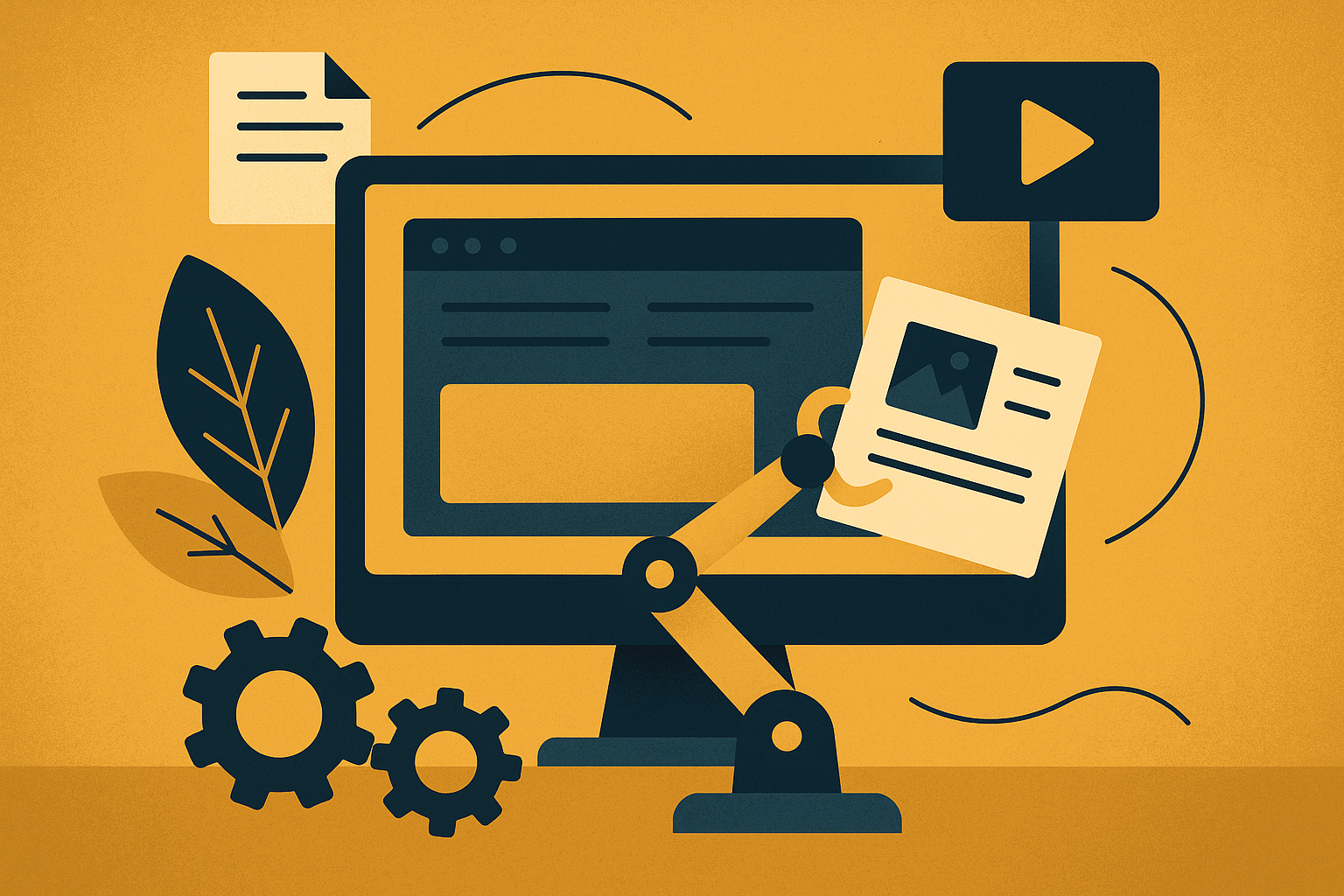
You check your phone in the morning and your site pulled in thousands of visitors overnight. You didn't post anything. You didn't run an ad. The system just ran. That's the real answer for anyone who wants owned traffic that compounds while you sleep — not a desk you're chained to, but a machine that works on its own schedule.
Why a Content System?
Here's a number worth sitting with: a single well-placed blog post can generate hundreds of dollars in affiliate income every month, on its own, without you touching it again. The question isn't whether that's possible. The question is how you build enough of those posts to make it matter. The real answer is a system — one that handles content production, distribution, and monetization without your hands on it every day.
Owned traffic is the foundation. Paying for attention through ads is expensive and it stops the moment you stop paying. A content system brings your audience to you organically, and that traffic compounds over time. Here's how you build it.
Step 1: Laying the Foundation
Choose the Right Domain
Your domain is your address on the web. Keep it short, relevant, and easy to remember. A trusted registrar like Namecheap makes the process straightforward — competitive pricing, solid support, nothing complicated.
Set Up Your Hosting
Reliable hosting isn't optional. Downtime costs you visitors and it costs you revenue. Look for a host that scales as your traffic grows and supports WordPress, which remains the most flexible platform for content sites built to last.
Step 2: Creating Content That Compounds
Identify Evergreen Topics
Evergreen content keeps working long after you publish it. How-to guides, foundational explainers, industry walkthroughs — these pieces pull in new visitors month after month and steadily build your owned traffic without extra effort on your part.
Leverage AI Tools
AI tools like Jasper and Copy.ai can produce solid first drafts and keep your output consistent. That said, always put a human layer on top. Authenticity is what keeps readers coming back, and no tool gets that right on its own.
For more on using AI in content creation, check out our tutorials page.
Step 3: Automating Distribution
Use Social Media Scheduling Tools
Tools like Buffer or Hootsuite let you schedule posts across multiple platforms in one sitting. Your content goes out on time, every time, without you logging in to push it manually. Consistent posting is what grows an audience — and this is how you stay consistent without burning out.
Implement Email Marketing Automation
Email is still one of the most reliable ways to stay in front of your audience. Platforms like Mailchimp or ConvertKit let you build automated sequences that run on their own. Segment your list and the right content reaches the right people without you scheduling a single send.
Step 4: Monetizing Your Content
Affiliate Marketing
Place affiliate links where they fit naturally. Recommending something like the Logitech MX Master 3S inside a relevant tech post is a clean example — one link, placed once, earning while you sleep.
Offer Digital Products
E-books and online courses give your audience something to buy directly from your site. Once they're built, they sell on their own. That's another revenue stream running independently of your time, which is exactly what the system is designed to do.
Step 5: Analyzing and Optimizing
Track Your Metrics
Google Analytics shows you where your traffic comes from, what pages hold attention, and where people leave. Those numbers are your receipts. Review them regularly and they'll tell you exactly where to focus next.
SEO Optimization
A tool like Yoast SEO helps you manage keywords, meta descriptions, and readability without guessing. Get this right and your content earns organic visibility — more visitors finding you without you spending a dollar on ads.
Conclusion: Take the First Step
A content system that runs without you isn't a fantasy. The receipts exist. Start with the right tools, build content that compounds, automate your distribution, and monetize with intention. Each piece you add makes the whole thing stronger, and the whole thing keeps working while you sleep.
Ready to move? Visit our blog for more on building a system that earns on its own terms.
Building a Content Calendar for Consistency

A content calendar is what keeps the system honest. It lets you plan, organize, and schedule content in advance so your publishing cadence never depends on how motivated you feel on a given Tuesday. A well-built calendar also tracks key dates in your niche, so you're ready with timely content before the moment arrives — not scrambling after it.
Steps to Create a Content Calendar
- Identify Key Content Themes: Start with the core topics that match your audience's real interests. These themes keep your content focused and make sure every post earns its place in the system.
- Set Publishing Frequency: Pick a schedule you can actually hold — daily, weekly, bi-weekly. The number matters less than the consistency. Audiences grow when they know what to expect.
- Use Calendar Tools: Google Calendar, Trello, or Asana all work. Pick one, map your schedule visually, and use the reminder and deadline features so nothing slips through.
- Integrate with Your Content System: Connect your calendar to your CMS and distribution tools. When everything talks to each other, scheduling and publishing stop being manual tasks.
Outsourcing Content Creation
Solo operators hit a ceiling on their own. Outsourcing is how you push past it without burning out. Bring in skilled freelancers or a small agency and you can scale content production while keeping your focus on strategy and growth — the parts only you can handle.
Finding the Right Talent
- Define Your Requirements: Be specific about what you need — writing, design, video, or all three. Clear role definitions make hiring faster and the output more predictable.
- Use Freelance Platforms: Upwork, Fiverr, and Freelancer give you access to a wide pool of talent. Check portfolios, read ratings, and hire people who fit your budget and your standards.
- Set Clear Expectations: Give detailed briefs. Spell out your brand voice and quality bar upfront. Regular check-ins keep the work on track and save you from costly rewrites later.
Creating a Feedback Loop
The system only gets better if you feed it real information. A feedback loop pulls in data from your audience, your team, and your analytics — then uses that data to sharpen your content and close the gaps.
Implementing a Feedback Loop
- Audience Surveys: SurveyMonkey or Google Forms let you ask your readers directly what they want more of. That's information you can act on immediately.
- Team Debriefs: If you're working with freelancers or a small team, regular check-ins surface what's working and what isn't. Open conversations produce better ideas than top-down directives.
- Analyze Performance Data: Your analytics show you which content earns traffic and which content sits flat. Review those numbers on a set schedule and let them drive your next moves.
Case Study: The Success of Passive Content Systems

Take "Tech Savvy," a blog that started as a one-person operation. The founder was producing content alone while managing other commitments and couldn't keep pace with demand. Once a structured content system was in place, the numbers shifted.
Strategies Employed by Tech Savvy
- Automated Processes: AI-driven content tools and scheduling software handled 80% of distribution automatically. That's a concrete reduction in manual work with receipts to back it up.
- Diversified Content Formats: Adding videos, podcasts, and infographics meant the site reached readers who would never have engaged with text alone — broader audience, higher engagement.
- Partnerships and Collaborations: Working with industry experts and relevant voices expanded reach and credibility, pulling in a larger audience and opening new revenue through collaborative projects.
That's what a well-built content system actually does. It takes a solo operation and turns it into something that runs on its own. Apply the same structure and your site can do the same — building owned traffic and income that compounds while you sleep.
Leveraging User-Generated Content
Your audience can contribute to the system too. User-generated content — reviews, testimonials, shared experiences — adds authentic voices to your site without pulling from your own production capacity. Encourage participation through contests or guest posts. It builds community, diversifies your content, and keeps the system growing without adding to your workload.
Disclosure: this article may contain affiliate links. If you buy through them, we may earn a small commission at no extra cost to you.