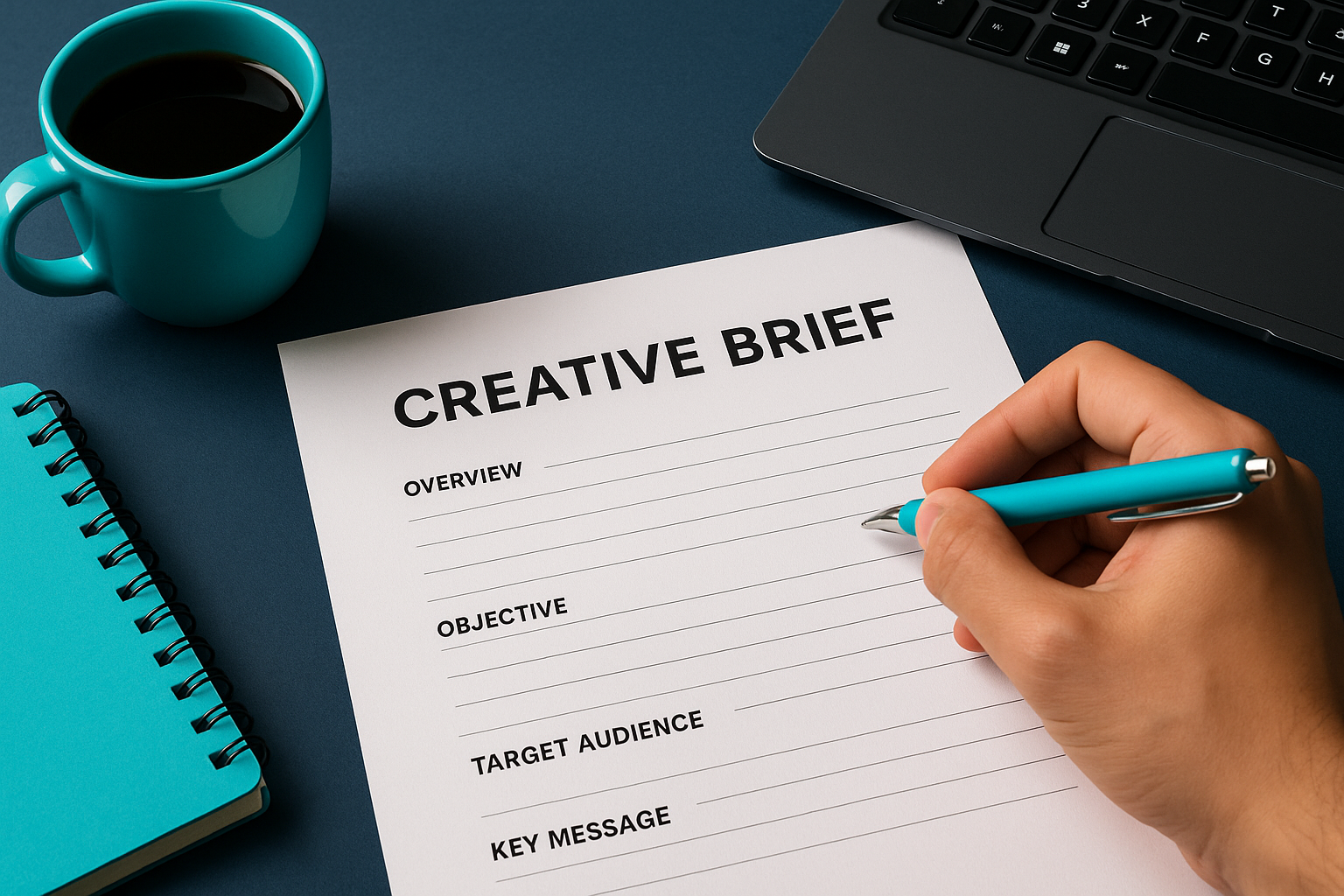
Crafting the Perfect Freelancer-Ready Creative Brief
Crafting the Perfect Freelancer-Ready Creative Brief
Every time you hire a new freelancer, you should not have to rebuild your brand from scratch. Yet that is exactly what happens when you operate without a solid creative brief. A well-built brief acts as a persistent brand system — one that communicates your niche, voice, audience, and goals so that specialists can do their best work from day one. This guide shows you how to build that system, keep ownership of your creative vision, and give freelancers the clear direction their expertise deserves.
The Business Outcome: Consistent Freelancer Results, Every Time
Picture every freelancer you hire stepping into a project already aligned with your brand — your tone, your audience, your standards. A strong creative brief makes that possible. It operates as a persistent brand system that travels with every project, cutting the time you spend re-explaining your business and raising the quality of every deliverable you receive.
Without it, you are stuck in a costly loop: repeated briefings, inconsistent output, and a growing dependence on whoever you hired last. A guided brief breaks that cycle and puts control back where it belongs — with you.
Understanding the Status Quo: What Keeps Going Wrong
Most entrepreneurs who work with freelancers run into the same frustrating patterns:
- Inconsistency: Without a clear brand system, freelancers produce work that drifts from your niche and voice.
- Repeated Explanations: You spend hours re-briefing every new hire instead of building something that compounds.
- Miscommunication: Vague direction leads to revisions, rework, and wasted MANA on corrections that should never have been needed.
- Delayed Timelines: Misaligned expectations push deadlines back and slow your ability to monetize on schedule.
A strategic creative brief is the system that solves all four problems at once.
The System in Action: Building Your Creative Brief

A freelancer-ready creative brief is built in layers. Each layer adds precision so that specialists spend their time creating, not guessing.
1. Define Your Brand System
Your brand system is the foundation every freelancer works from. Build it around three anchors:
- Brand Essence: A concise statement that captures your unique identity, niche, and values — the thing that makes your business recognizable.
- Target Audience: A detailed profile of your ideal customer, including what they want, what they fear, and how they make decisions.
- Voice and Tone: Clear guidelines on how your brand communicates — the words you use, the register you hold, and the feeling you create.
At ArcanoLabs, for example, the guiding principle is empowering entrepreneurs to build and operate a coherent content, product, and monetization operation. That principle should be visible in every piece of branded output, regardless of who created it.
2. Set Clear, Measurable Objectives
Define exactly what a successful project looks like before work begins. Whether you are commissioning a website, a marketing campaign, or a content series, your objectives need to be specific and measurable. Clarity here is what lets freelancers apply their expertise rather than interpret your intent.
3. Outline Every Project Detail
Leave nothing ambiguous in the operational layer of your brief:
- Timeline: Set firm deadlines for each phase so momentum is built in from the start.
- Budget: Provide a realistic range that guides scope and prevents scope creep.
- Deliverables: Specify exactly what you expect to receive and in what format at each milestone.
Practical Value: Tools That Support the System
The right tools make your brief easier to build, share, and update:
- Trello: Organize project phases, deadlines, and task ownership in one place. The free version handles most small-to-mid projects cleanly.
- Google Docs: Collaborate with freelancers in real time, track changes, and refine the brief as the project evolves.
- Canva: Build visual brand guidelines that freelancers can reference instantly, with a free tier that covers the essentials.
Two operating habits will keep your brief working over time:
- Regular Updates: Treat your brief as a living document. Refresh it whenever your brand, niche, or objectives shift.
- Feedback Loop: Invite freelancers to flag gaps or ask questions. Their input sharpens the brief for every future hire.
Your Next Step: Build the Brief Today
You now have the framework. The next move is concrete: review your current brief or start a new one using the structure above. A persistent brand system is what reduces repeated spending, raises consistency, and keeps you in control of the creative vision — regardless of who you hire next.
For guided support building that system, visit ArcanoLabs, where we help entrepreneurs turn their niche into a structured, monetizable online business.
A detailed creative brief is not overhead — it is infrastructure. Build it once, and every freelancer collaboration that follows becomes faster, sharper, and more aligned with the brand you are working to own.
Effective Communication: Keeping Everyone Aligned
A strong brief sets the foundation, but clear communication keeps the project on track. Build these practices into every engagement:
- Preferred Communication Tools: Name the platforms you use — Slack, Zoom, email — so freelancers know exactly where to reach you and where decisions get recorded.
- Regular Check-Ins: Schedule structured touchpoints to review progress, surface blockers early, and make adjustments before they become costly.
- Feedback Mechanism: Create a clear channel for freelancers to raise concerns or flag gaps in the brief. Their questions often reveal the places where your system needs to be more guided.
Consistent communication reduces misunderstandings, protects your timeline, and builds the kind of working relationship where freelancers do their best work for your brand.
Incorporating Visual and Creative Elements

Words alone rarely transfer a creative vision completely. Strengthen your brief with visual references that make your brand system tangible:
- Visual Mood Boards: Collect images, color palettes, and layouts that represent the aesthetic you are building toward. These give design-focused freelancers an immediate visual target.
- Sample Work: Include examples of output that matches your quality standard and creative direction. Show what right looks like before work begins.
- Brand Style Guide: Attach a complete guide covering your color system, logo usage, typography, and any visual rules that define your brand identity.
Visual tools do not just clarify expectations — they inspire freelancers to create work that is genuinely aligned with the brand you are building, not just technically compliant with a word document.
Legal Considerations and Intellectual Property
Ownership matters. Your creative brief should address the legal layer of every freelance engagement so your business interests are protected from the start:
- Confidentiality Agreements: Include a confidentiality clause that keeps all project information, brand strategy, and business data private.
- Ownership of Work: Define clearly who holds the rights to every deliverable. Specify whether intellectual property transfers to your business on completion or whether any rights are retained by the freelancer.
- Terms and Conditions: Spell out payment schedules, revision limits, and project termination conditions so both parties operate from the same expectations.
Covering these points in your brief is not bureaucracy — it is how you build a professional, controlled operating environment that protects the brand system you are investing in.
Measuring Success: Key Performance Indicators
A brief is only as good as the results it produces. Set clear KPIs so you can measure what is working and sharpen the system over time:
- Quality of Deliverables: Evaluate final output against your brand guidelines and stated objectives. Does it look, sound, and perform like your brand?
- Timeliness: Track whether milestones were hit on schedule. Consistent delays signal a gap in how the brief communicates scope or priority.
- Freelancer Satisfaction: Run a post-project review with each freelancer. Their feedback reveals where the brief can be more guided and where friction still exists.
- Project ROI: Measure how well the deliverables contributed to your business goals — traffic, conversions, revenue, or audience growth in your niche.
Reviewing these KPIs after every project turns your brief into a compounding asset — one that gets sharper and more effective each time you use it.
Case Study: What a Strong Brief Actually Delivers
BrightTech Solutions, a mid-sized tech company, was producing inconsistent branded content across every channel. Freelancers were working from different assumptions, and the brand system existed only in the founder's head. After building a comprehensive creative brief, the results were measurable:
- Consistency Across Channels: With a clearly defined brand system in place, every freelancer — regardless of specialty — delivered work that matched the same voice, visual identity, and niche positioning across digital and print.
- Reduced Turnaround Time: Clear objectives and structured timelines cut project turnaround by 30%, letting the team launch campaigns faster and monetize on schedule.
- Enhanced Collaboration: Regular check-ins and a structured feedback loop created a working environment where freelancers contributed ideas rather than just executing tasks.
This is what a well-built creative brief does in practice. It transforms freelancer relationships from repeated spending and inconsistency into a controlled, persistent system that compounds value over time.