Why Found Family Is the Heart of YA Dark Fantasy (Not Just a Subplot)
Why Found Family Is the Heart of YA Dark Fantasy (Not Just a Subplot)
Exploring the Heart of YA Dark Fantasy: Found Family Dynamics
Found Family as the Real Enemy
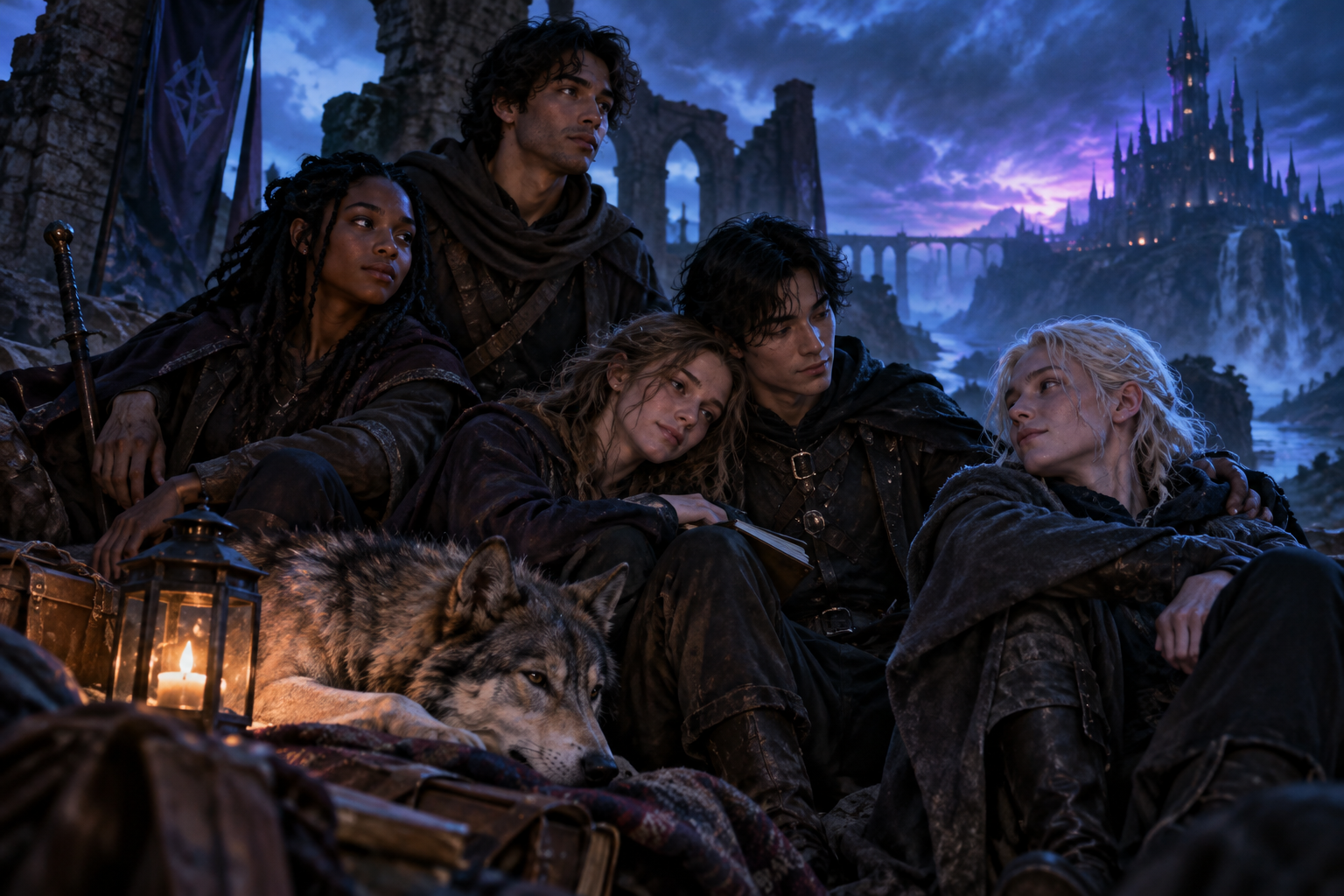
The moment your protagonist stops fighting for the mission and starts fighting for the person next to them, your dark fantasy stops being about winning and starts being about why winning matters. In the shadowy realms of YA dark fantasy, where demons lurk and curses fly, the true peril isn’t just the external threat—it’s the heart-stopping fear of losing your found family. This isn’t just some emotional subplot to spice things up; it’s the narrative engine driving the plot forward.
Consider this: facing a horde of monsters alone might be thrilling, but it’s the thought of those monsters threatening your chosen family that transforms the stakes from abstract to visceral. A protagonist who stands alone in danger might be admirable, but it’s the scene where they watch their found family in peril that becomes unbearable. Saving the world? Sure, that’s noble. But saving the people who have become your world? That’s the kind of emotional anchor that makes readers clutch the book tighter.
The Chakra Academy as Crucible for Bonds
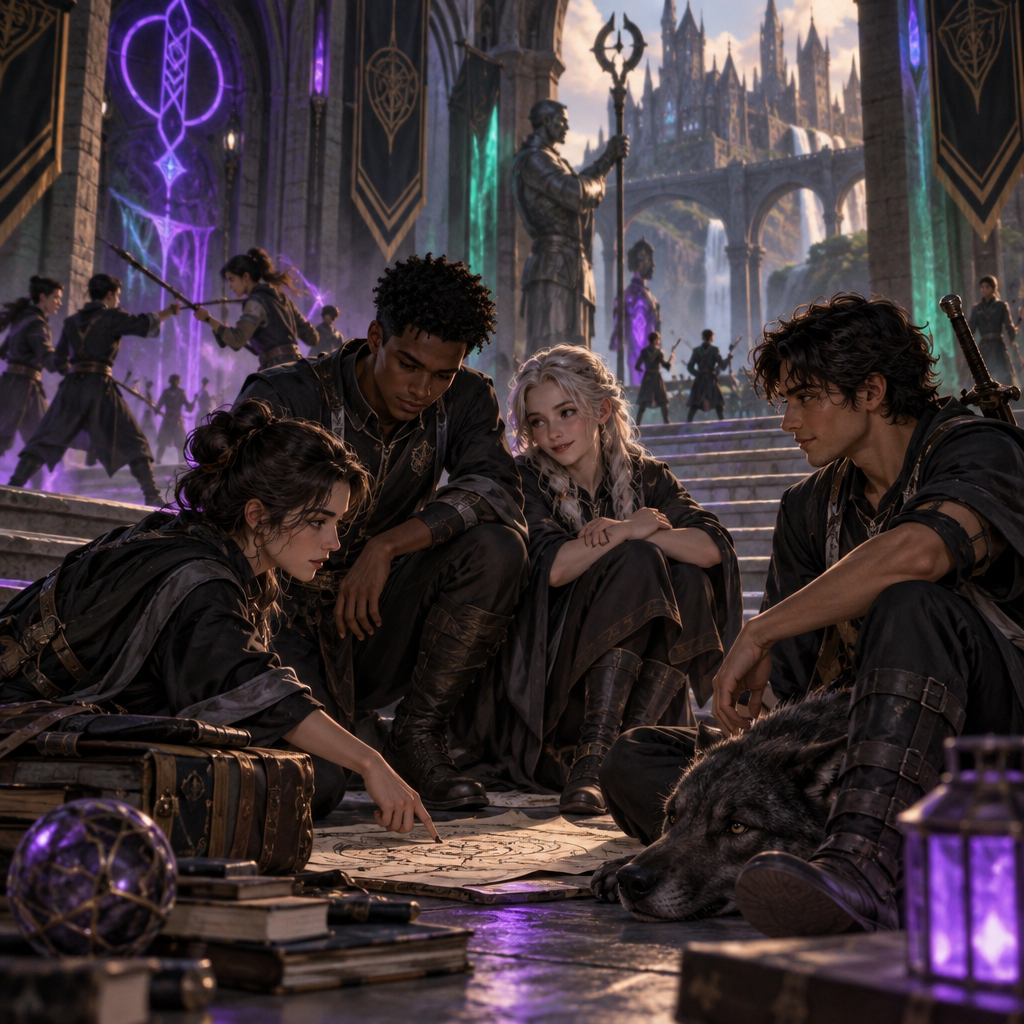
Enter the academy setting—Shedari Codex's chakra academy, for instance—where found family is forged in the crucible of shared training and survival. Schools like these accelerate the formation of these bonds because they throw characters together under pressure, forcing them to rely on one another. It’s not just about mastering chakra techniques; it’s about learning to trust and depend on others in ways that go beyond the battlefield.
In this environment, mentorship and peer relationships play a pivotal role. Older students might take younger ones under their wing, fostering connections that are as strong as any blood tie. It’s through these relationships that the students learn not just about their powers but about themselves and each other. The academy becomes more than a school—it becomes a home.
Witty Banter as Emotional Armor
Let’s talk humor. In the midst of chaos, it’s the witty banter—a hallmark of the Percy Jackson style—that acts as emotional armor. Characters in YA dark fantasy often use humor to deflect vulnerability, but in doing so, they inadvertently reveal their deepest cares. This isn’t just about cracking jokes to lighten the mood; it’s a way for characters to express trust and camaraderie without the mushy sentimentality.
Imagine a protagonist making a snarky remark as a demon bears down on them. It’s not just a quip; it’s a signal to their found family that they’ve got this, that they trust their companions to have their back. This balance between wry narration and genuine heartfelt moments is what makes the emotional highs and lows of found family resonate so powerfully.
When Found Family Becomes the Reason to Keep Fighting
In the best YA dark fantasy, found family is the turning point—a shift in motivation from self-preservation to collective survival. It’s the moment when a character chooses their people over their own safety, or when survival itself becomes possible because of their found family. This isn’t just theoretical; it’s the emotional core that gives weight to sacrifice and struggle.
Consider the emotional payoff when a character, who once believed they were alone, realizes that their found family is their true strength. Sacrifices made for chosen family rather than duty carry an emotional heft that cannot be overstated. It’s this realization that they’re no longer fighting for themselves but for the ones they love that transforms the narrative from a simple survival story into a poignant exploration of human connection.
Building Found Family Readers Actually Care About
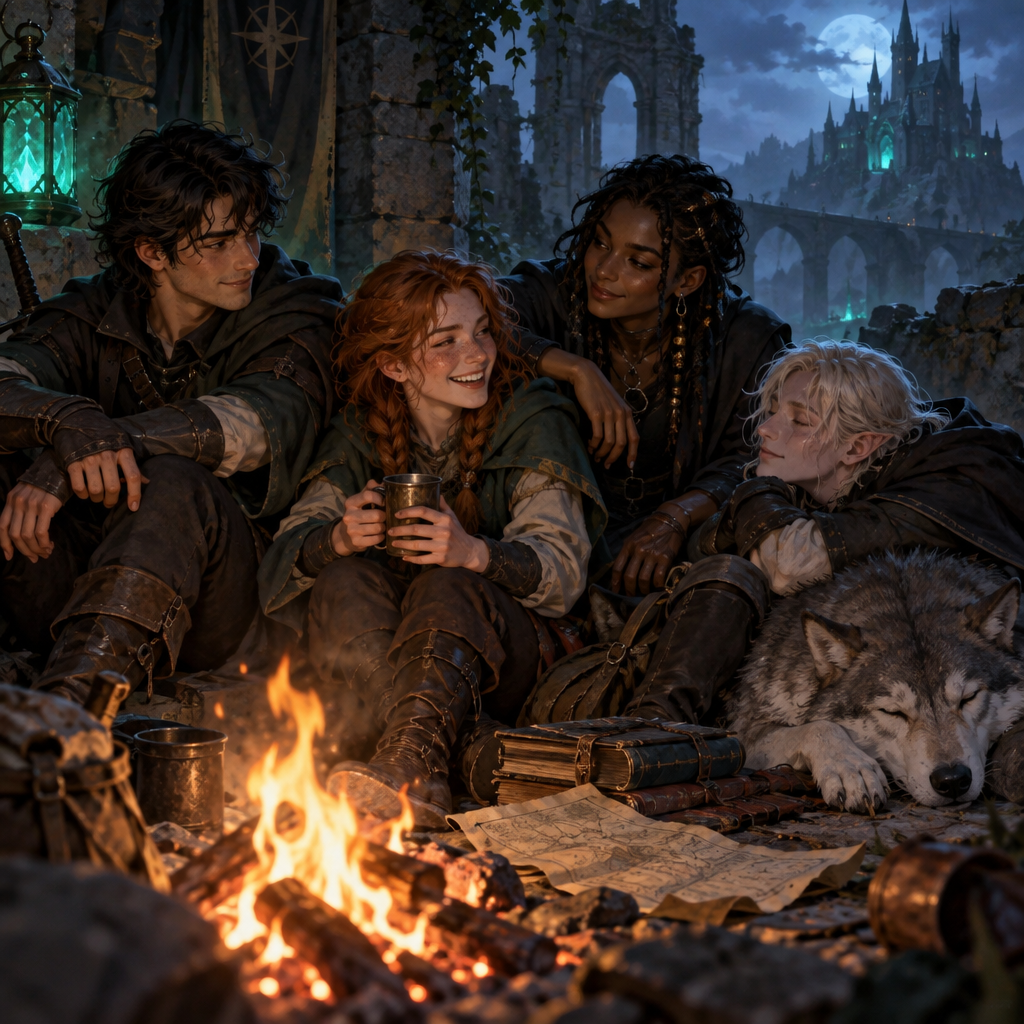
So, how do you create a found family dynamic that readers actually care about? It starts with specificity and earned trust. Generic ‘ragtag team’ dynamics fall flat because they lack the messy reality of true relationships. Instead, let your characters challenge and change each other. Allow them to hurt one another and then work through it, because it’s through conflict and resolution that real bonds are formed.
Readers want to see characters who are flawed and who grow through their interactions with their found family. It’s not just about shared meals or light-hearted moments; it’s about the shared struggles and triumphs that make these relationships feel real and earned. This is what sets apart a found family worth rooting for.
If you're writing YA dark fantasy, ask yourself: would your story still matter if you removed the found family? If the answer is no—you've found your story's true heart. In the world of Shedari Codex, where young students navigate the treacherous path of chakra mastery, it's the bonds they form that make every battle worth fighting.
Navigating Betrayal Within Found Families
While the found family dynamic often serves as a cornerstone of support in YA dark fantasy, it can also become a source of profound conflict and betrayal. These narratives explore the complexities of trust and loyalty when a member of the found family acts against the group. This betrayal can stem from external manipulation, internal conflict, or a character's misguided attempt to protect their loved ones.
Such plot twists add layers to the narrative, forcing characters to confront their own vulnerabilities and question their place within the group. The emotional fallout from betrayal can deepen relationships, as characters must decide whether to forgive and rebuild trust or to sever ties. This complexity offers readers a nuanced portrayal of relationships that mirrors real-world dynamics, where loyalty is tested, and reconciliation requires effort and empathy.
Integrating Cultural Diversity in Found Families
Incorporating cultural diversity within found families enriches the narrative, offering readers a tapestry of perspectives and traditions. This diversity is not merely a backdrop but a fundamental element that shapes character interactions and plot developments. By introducing characters from varied cultural backgrounds, authors can explore themes of identity, belonging, and acceptance.
For example, a character's unique cultural heritage might influence their approach to magic or combat, providing fresh insights and strategies that benefit the group. These interactions foster mutual respect and understanding, allowing characters to learn from each other and grow. Moreover, the inclusion of diverse voices can resonate with a broader audience, reflecting the multifaceted nature of real-world communities.
Key Performance Indicators (KPIs) for Successful Found Family Dynamics
- Character Development: Measure how individual characters evolve through their interactions with their found family. Are their growth arcs compelling and believable?
- Emotional Engagement: Assess reader feedback and emotional responses to determine if the found family dynamics evoke strong emotional connections.
- Conflict Resolution: Evaluate how conflicts within the found family are introduced and resolved. Do these conflicts drive the plot forward and contribute to character growth?
- Diversity of Perspectives: Analyze the representation of diverse backgrounds and how these perspectives enrich the narrative. Are different cultural viewpoints integrated meaningfully?
- Reader Investment: Monitor reader discussions and reviews to gauge investment in the found family. Are readers rooting for the characters and their relationships?
Case Study: The Impact of Found Family in "Shedari Codex"
In the realm of "Shedari Codex," the found family dynamic is pivotal to both character development and plot progression. One notable example is the relationship between protagonist Alina and her mentor, Kade. Initially, their bond is forged from necessity, but it evolves into a deep connection that significantly impacts Alina's journey.
When Kade faces a moral dilemma that puts him at odds with the group, the resulting tension challenges Alina to reevaluate her beliefs and loyalties. This storyline not only tests the strength of their relationship but also provides an opportunity for Alina to grow as a leader. The resolution of their conflict, marked by forgiveness and understanding, exemplifies the transformative power of found family dynamics.
This case study highlights the importance of crafting believable, complex relationships that resonate with readers, providing a blueprint for authors aiming to create impactful found family narratives.