Case Study: How One Warehouse Cut Back Injuries in Half Without Expensive Equipment
Case Study: How One Warehouse Cut Back Injuries in Half Without Expensive Equipment
Case Study: A Warehouse's Journey to Lower Back Injury Rates
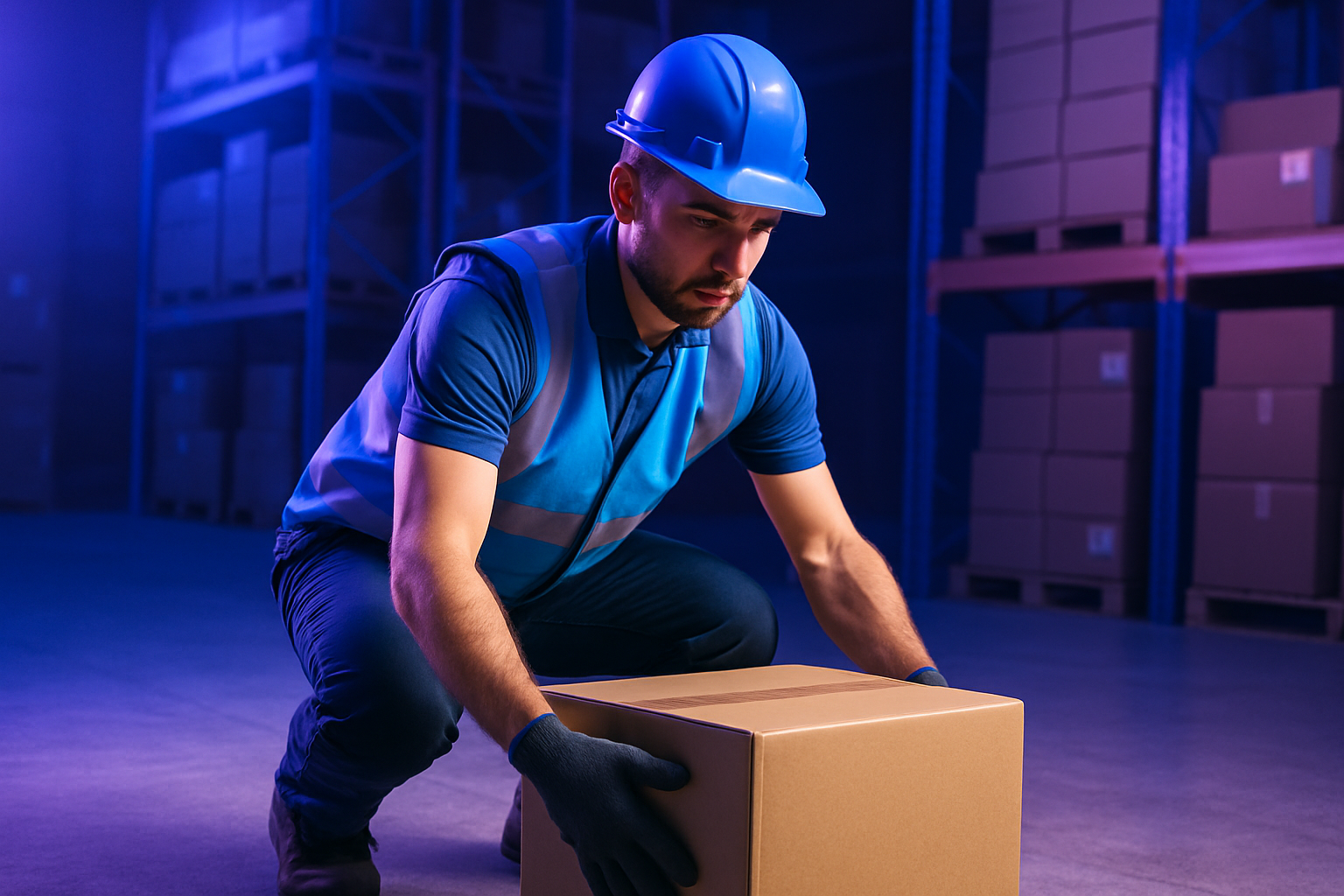
When a mid-sized fulfillment center in the Midwest looked at their workers' comp claims, they saw the same pattern every month: lower back injuries taking people off the line for weeks.
The Problem That Looked Unsolvable
In the bustling environment of a warehouse, where high volume and tight timelines dictate the pace, back injuries are almost a given. Workers are constantly on the move, lifting heavy loads and bending frequently, which can easily lead to lower back injuries. These injuries not only cost the business in terms of workers' compensation and lost productivity but also take a toll on the crew, leading to discomfort and long recovery periods.
Back injuries in warehouses are common due to repetitive strain and improper lifting techniques. The business felt the impact with increased insurance premiums and a workforce that was often understaffed due to injury-related absences. This problem seemed insurmountable until they decided to take a closer look at the root causes and potential solutions. For more on how workers have overcome such injuries, see our Real Recovery Stories: How These Workers Overcame Back Injuries.
What They Actually Changed (It Wasn't What You'd Expect)
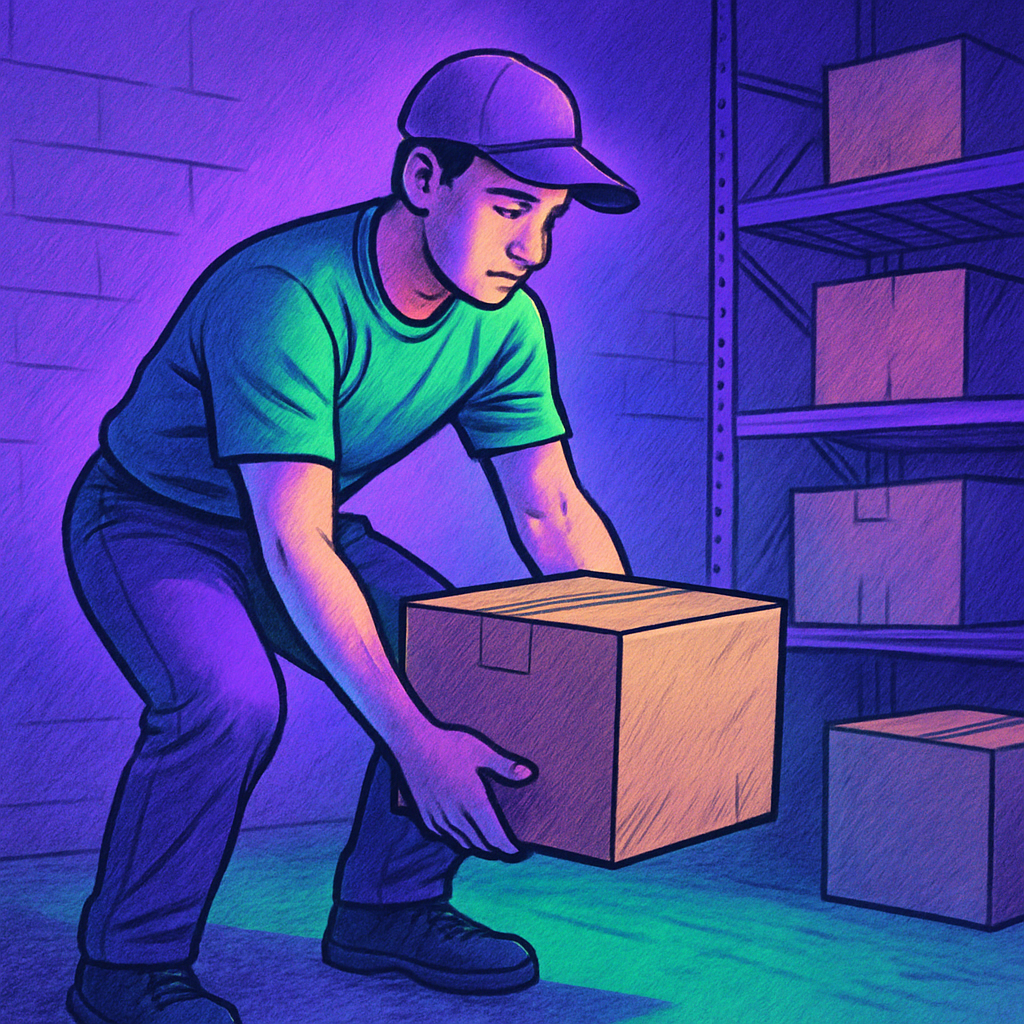
Instead of investing in expensive ergonomic equipment or overhauling the entire workflow, the warehouse focused on three specific behavioral changes:
- Proper Lifting Techniques: Training sessions were conducted to teach workers the right way to lift heavy items, emphasizing bending at the knees, not the waist.
- Regular Stretching Breaks: Short, scheduled breaks were introduced to allow workers to stretch and relieve muscle tension.
- Load Distribution: Workers were encouraged to ask for help or use tools like dollies when moving particularly heavy or awkward loads.
These changes were integrated seamlessly into the daily routine. By focusing on how workers moved and lifted, rather than on new equipment, the warehouse was able to make significant improvements without a hefty price tag. For more insights on implementing such changes, read our Guide to Effective Workplace Safety Practices.
How They Got People to Stick With It
Implementing changes is one thing; ensuring adherence is another. Initially, there was resistance from the workers, who were used to their old habits. However, the management took practical steps to make these changes stick:
- Inclusive Training: Workers were involved in the training sessions, where they could see the benefits firsthand.
- Peer Support: Encouraging a culture of support where workers reminded each other of the new techniques.
- Feedback Loops: Regular meetings were held to discuss challenges and improvements, making workers feel heard and valued.
These strategies not only helped in implementing the changes but also fostered a sense of community and shared responsibility among the workers.
The Numbers Six Months Later

Six months into the new practices, the warehouse saw tangible results:
- Injury Rate Reduction: There was a noticeable drop in lower back injuries, leading to fewer workers' comp claims.
- Workers' Comp Impact: With fewer claims, the company saw a reduction in insurance premiums.
- Secondary Benefits: Improved morale and productivity as workers felt more valued and less prone to injury.
These results provided the proof needed to continue with the new practices and even consider additional improvements. For more on tracking these improvements, visit our Metrics for Measuring Workplace Safety Success.
What This Means for Your Warehouse
If you're looking to reduce lower back injuries in your warehouse, consider these actionable takeaways:
- Start Small: Implement one change at a time, such as proper lifting techniques, and measure its impact.
- Involve Your Team: Get input from your workers to understand their needs and challenges.
- Monitor Progress: Regularly track injury rates and gather feedback to adjust your approach as needed.
By focusing on behavior changes rather than costly equipment upgrades, you can achieve significant improvements in warehouse back injury prevention. BackGuard Relief offers comprehensive solutions to help you implement these changes effectively.
Start with one of these three changes this week—pick the one your crew struggles with most and run it for 30 days. Track your near-misses and minor aches. That's your baseline.
Real-World Examples of Successful Implementation
To appreciate the breadth of impact these changes can have, let's look at a few real-world examples from other warehouses that successfully implemented similar strategies:
Example 1: The Role of Technology in Training
A warehouse in Texas integrated virtual reality (VR) into their training programs. By simulating real-world lifting scenarios, workers were able to practice proper techniques in a controlled environment. This innovative approach not only made the training sessions more engaging but also allowed employees to learn at their own pace. After six months, the warehouse reported a 40% reduction in lifting-related injuries.
Example 2: Gamification of Safety Practices
Another fulfillment center in California adopted gamification techniques to encourage adherence to new safety protocols. They introduced a points system where workers earned rewards for consistently practicing safe lifting techniques and participating in stretching breaks. This system fostered healthy competition among teams, leading to a significant decrease in back injuries over a four-month period.
Checklist for Implementing Changes in Your Warehouse
For warehouse managers aiming to replicate these successes, here’s a checklist to guide the implementation process:
- Assess Current Practices: Conduct an initial assessment of current lifting techniques and injury rates to identify key areas for improvement.
- Develop a Training Program: Create a comprehensive training program focusing on proper lifting techniques, ergonomic awareness, and the benefits of regular stretching.
- Schedule Regular Training Sessions: Plan regular training and refresher courses to ensure all employees are up-to-date on best practices.
- Encourage Peer-to-Peer Learning: Foster an environment where employees feel comfortable sharing tips and correcting each other's techniques.
- Monitor and Adjust: Continuously monitor injury rates and gather feedback to adjust training and practices as needed.
Key Performance Indicators (KPIs) to Track
To measure the success of implemented changes, consider tracking the following KPIs:
- Injury Rate: Monitor the frequency of back injuries before and after implementing changes to evaluate their effectiveness.
- Training Participation: Track employee attendance and engagement in training sessions to ensure widespread adoption of new practices.
- Employee Feedback: Regularly collect qualitative data from employees regarding their comfort and perceived effectiveness of the new protocols.
- Insurance Premiums: Observe changes in workers' compensation insurance premiums as a financial metric of success.
- Operational Efficiency: Measure any improvements in productivity or reductions in downtime as indirect benefits of reduced injury rates.
FAQs About Reducing Back Injuries in Warehouses
Here are some frequently asked questions and their answers to help you further understand the process:
What are the most common causes of back injuries in warehouses?
Back injuries in warehouses are often caused by improper lifting techniques, repetitive strain from performing the same tasks, and inadequate breaks that prevent muscle recovery.
How can I get my team on board with new safety practices?
Involve your team in the decision-making process to ensure they understand the benefits of new practices. Use inclusive training sessions, peer support, and feedback loops to foster a supportive culture.
Are there any low-cost tools that can help reduce back injuries?
Yes, tools like ergonomic lifting belts, simple mechanical aids like dollies, and mobile apps that provide stretching reminders can be cost-effective solutions to support back safety.
Conclusion: The Path Forward
By sharing these additional insights and practical tools, we hope your warehouse can take actionable steps toward reducing back injuries. Remember, even small changes can lead to significant improvements in workplace safety and employee well-being. For more strategies, explore our Comprehensive Guide to Workplace Safety.
Leveraging Wearable Technology for Injury Prevention
Incorporating wearable technology can offer real-time insights into worker movements and identify risky behaviors before they lead to injury. Devices such as smart belts or wristbands can monitor posture and provide instant feedback to wearers, alerting them when they are lifting improperly. This proactive approach not only helps in correcting techniques on the spot but also accumulates data to further refine training programs and safety protocols.