Why Are My Senior Dog's Back Legs Suddenly Giving Out?
Why Are My Senior Dog's Back Legs Suddenly Giving Out?
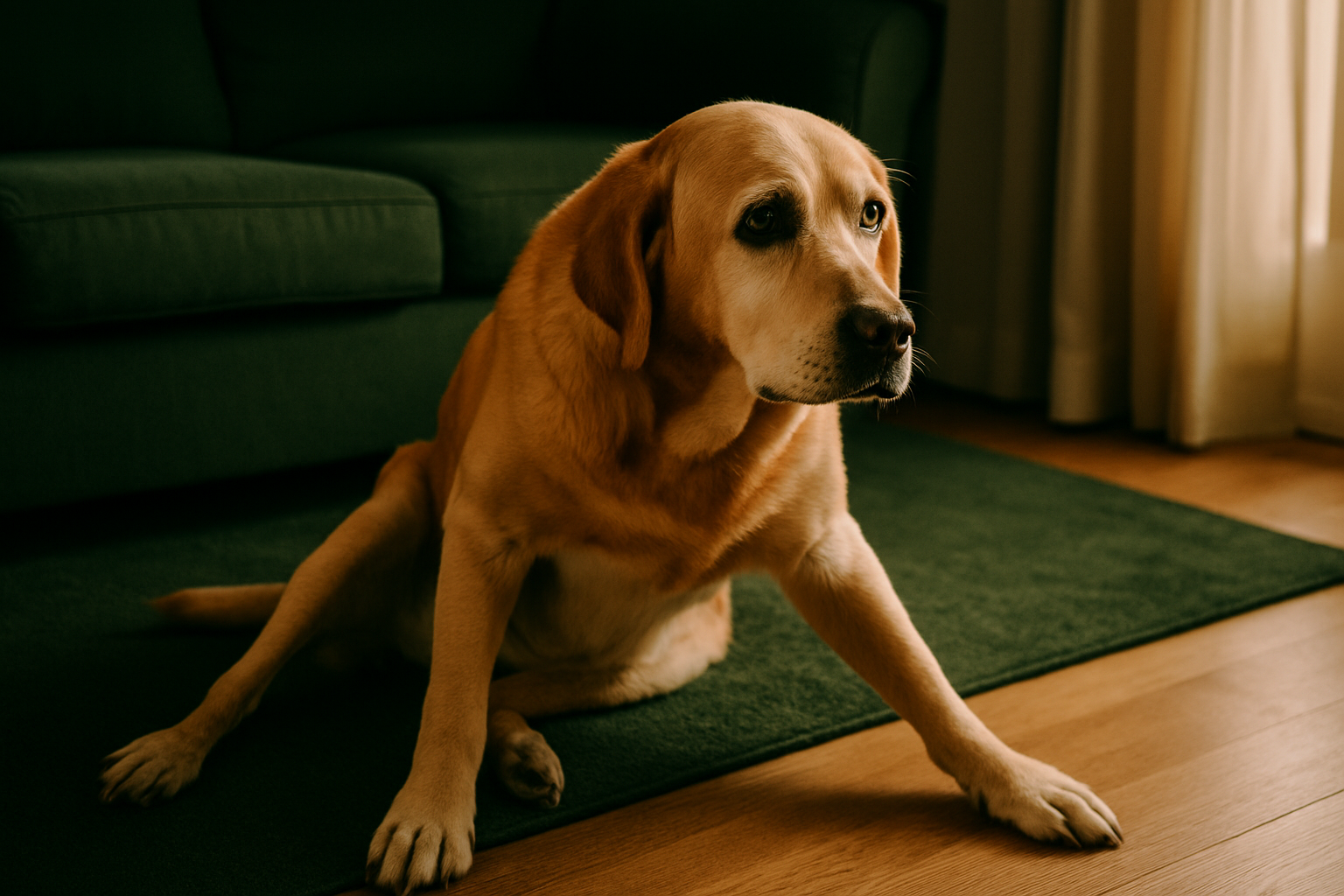
When your senior dog's back legs suddenly buckle or drag, the fear is immediate—but the cause might be something you can address tonight, or something that needs a vet call in the morning.
The Difference Between Sudden Weakness and Gradual Decline
Understanding whether your dog's hind leg issue is sudden or gradual can be crucial. Acute collapses are often noticeable, but gradual declines can be overlooked until a crisis occurs. This is why it's important to monitor your dog's daily movements closely.
Sudden weakness may manifest as buckling, dragging, or a complete loss of use, while a gradual decline might show up as stiffness or reluctance to climb stairs. Describe these symptoms clearly to your vet, focusing on when they began and how they have progressed.
Conditions That Cause Hind Leg Collapse in Senior Dogs
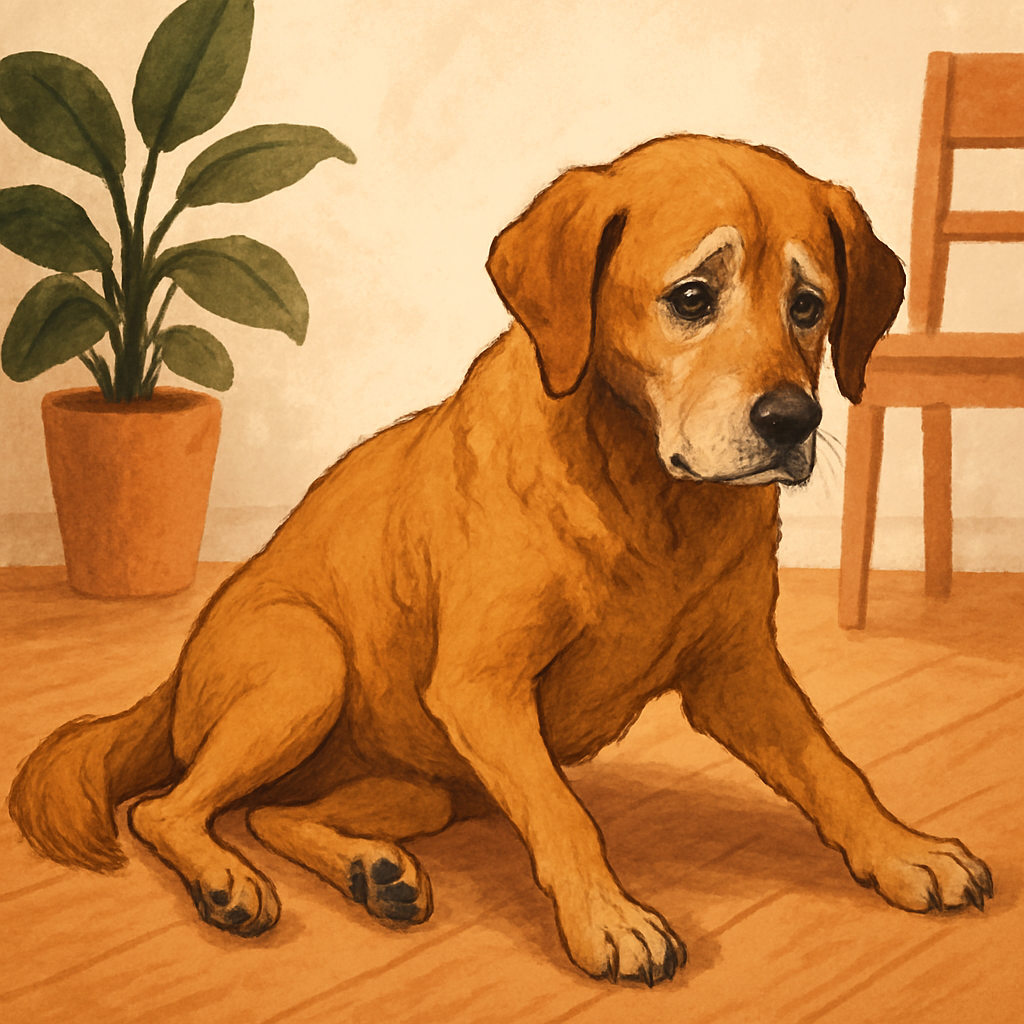
There are several conditions that could cause your senior dog's back legs to give out. Recognizing these can help you understand what your dog might be experiencing:
- Degenerative Myelopathy (DM): This progressive disease affects the spinal cord, leading to hind leg weakness and eventual paralysis. It often starts subtly, with symptoms like stumbling or dragging feet.
- Intervertebral Disc Disease (IVDD): This condition involves the discs in the spine and can cause acute pain and paralysis if a disc herniates.
- Arthritis: While typically a gradual condition, arthritis can suddenly worsen, especially with changes in weather or activity.
- Muscle Atrophy: In senior dogs, muscle loss can happen due to disuse, leading to weakness. This can be exacerbated by other conditions like arthritis.
- Neurological Issues: Conditions such as strokes or spinal cord compression can cause sudden hind leg weakness.
What You Can Do Right Now (Before the Vet Visit)
While waiting for a vet appointment, there are steps you can take to support your senior dog:
- Support with Slings or Harnesses: Use these to help your dog move safely without straining their back legs.
- Pain Management: Provide a comfortable resting place and use heat packs to soothe any inflammation.
- Prevent Injuries: Lay down non-slip mats to prevent slipping and falling on hard floors.
- Monitor Symptoms: Watch for red flags like loss of bowel control or severe pain, which necessitate an immediate vet visit.
When to Call the Vet Today vs. Waiting Until Morning
Deciding when to call the vet can be challenging. If your dog's symptoms include severe pain, paralysis, or loss of bladder control, it's crucial to seek emergency care. For stable but concerning symptoms, a morning appointment might suffice. Clearly describe the timeline and severity of symptoms to your vet for appropriate prioritization.
What to Expect at the Vet Appointment
Being prepared for the vet visit can help reduce anxiety. Expect a comprehensive exam including neurological testing and potentially imaging like X-rays or an MRI. Bloodwork or a spinal tap might be recommended to rule out infections or other conditions. Ask questions about prognosis and long-term management to make informed decisions.
Managing a Senior Dog with Chronic Hind Leg Weakness
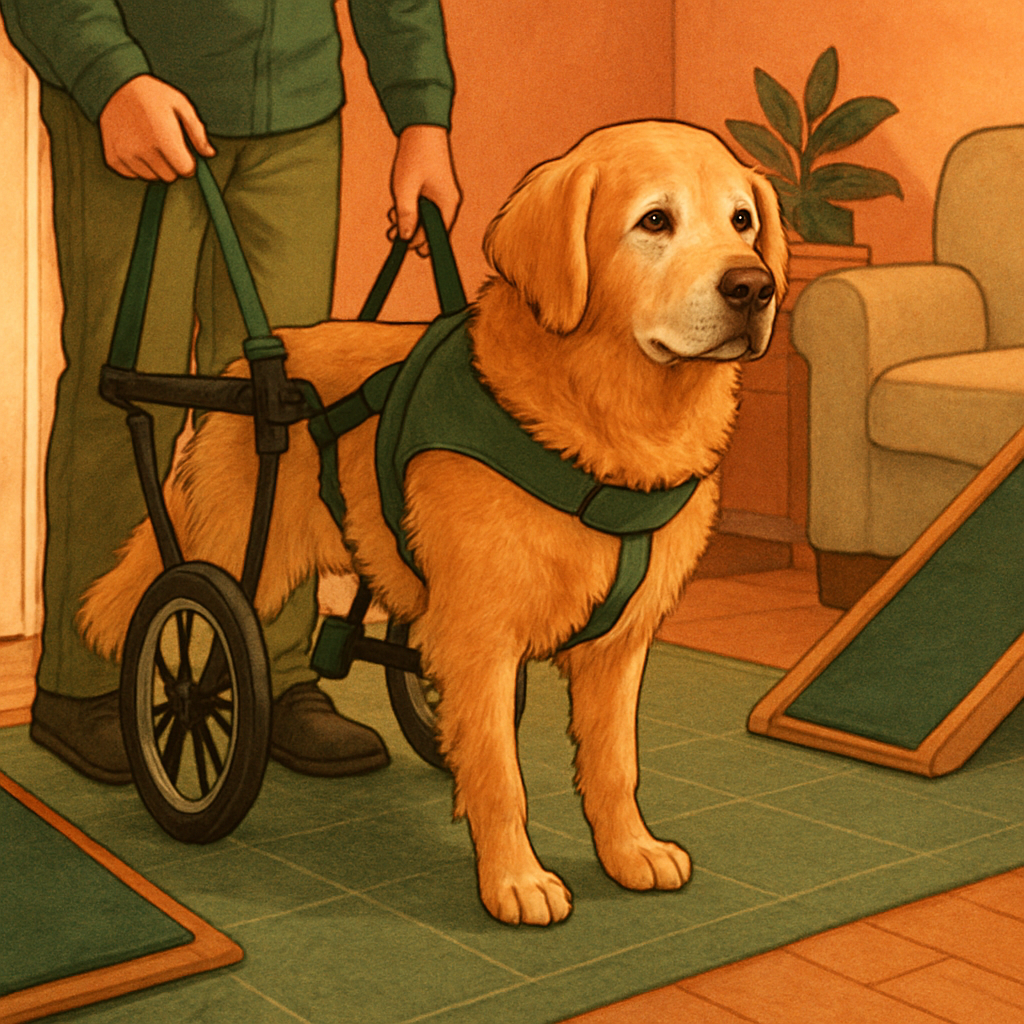
Long-term management involves adapting your home and routine to support your dog's needs:
- Mobility Aids: Consider ramps, harnesses, or carts to assist with movement.
- Home Modifications: Implement non-slip flooring and raised food and water bowls for easier access.
- Exercise and Therapy: Gentle exercise and physical therapy can maintain muscle mass and mobility.
- Quality of Life: Continuously assess your dog's comfort and happiness to ensure their quality of life remains high.
For more on managing night restlessness and cognitive decline, visit our Why Is My Senior Dog Suddenly Pacing and Panting at Night? article.
Browse mobility aids and home solutions for senior dogs with hind leg weakness at Senior Dog Comfort, where practical, owner-side care solutions are just a click away.
Dietary Adjustments to Support Mobility in Senior Dogs
Nutrition plays a crucial role in maintaining the overall health and mobility of senior dogs. As dogs age, their dietary needs change, and certain nutrients become vital in supporting joint health and muscle function. Here are some dietary adjustments you can consider:
- Omega-3 Fatty Acids: These are known for their anti-inflammatory properties and can help reduce joint inflammation. Sources include fish oil and flaxseed oil.
- Glucosamine and Chondroitin: These supplements support cartilage health and may slow the progression of joint deterioration.
- Protein-Rich Diet: Ensure your dog receives adequate protein to maintain muscle mass. Lean meats such as chicken, turkey, and fish are excellent sources.
- Antioxidants: Vitamins C and E can help combat oxidative stress, which is linked to aging and degenerative diseases. Fruits and vegetables like blueberries and spinach are good sources.
- Maintain a Healthy Weight: Obesity can exacerbate joint issues, so work with your vet to establish a diet plan that keeps your dog at an optimal weight.
Environmental Enrichment and Mental Stimulation
Keeping your senior dog's mind engaged is just as important as physical health. Mental stimulation can aid in delaying cognitive decline and improving overall well-being. Here are some strategies:
- Puzzle Toys: These toys challenge your dog's problem-solving skills and can be used to dispense treats, providing both mental and physical stimulation.
- Training Sessions: Even senior dogs enjoy learning new tricks or commands. Keep sessions short and positive to prevent fatigue.
- Interactive Play: Engage your dog in gentle play that encourages movement without overexertion, such as tug-of-war with a soft toy.
- Sensory Experiences: Introduce new scents or sounds to your dog's environment to keep their senses sharp. Rotate toys and use different textures to enhance tactile experiences.
Monitoring Progress and Adjusting Care Plans
Regular monitoring of your senior dog's condition is essential for effective management of hind leg weakness. Creating a care log can help track changes and determine the effectiveness of interventions:
- Daily Observations: Note any changes in mobility, appetite, or behavior. Pay attention to signs of pain or discomfort.
- Regular Vet Check-Ups: Schedule frequent visits to the vet to adjust treatment plans based on your dog's current health status.
- Adjusting Exercise Routines: Modify exercise routines as needed to align with your dog's capabilities. Increase or decrease activity levels based on their response to current regimens.
- Feedback Loop: Maintain open communication with your vet to discuss any concerns or improvements. Use this feedback to refine care strategies.
Case Study: Max's Journey with Hind Leg Weakness
Meet Max, a 10-year-old Labrador Retriever who began experiencing hind leg weakness. His owner, Sarah, noticed Max struggling to climb stairs and occasionally stumbling during walks. Concerned, she initiated a comprehensive care plan with her veterinarian:
- Initial Diagnosis: Max was diagnosed with early-stage degenerative myelopathy. A tailored treatment plan was developed, including physical therapy and dietary changes.
- Implementation of Mobility Aids: Sarah invested in a harness and a ramp to assist Max with getting in and out of the car, reducing strain on his legs.
- Dietary Adjustments: Max's diet was enriched with omega-3 fatty acids and glucosamine supplements to support joint health.
- Consistent Monitoring: Sarah kept a detailed journal of Max's daily activities and progress, allowing her to make informed adjustments to his care routine.
Over time, Max showed improvements in his mobility and quality of life, demonstrating the effectiveness of a holistic approach to managing hind leg weakness in senior dogs.