
What to Do When a Tenant Pays Rent Late: Step-by-Step
What to Do When a Tenant Pays Rent Late: Step-by-Step
The first time a tenant's rent doesn't hit your account on the due date, your instinct is usually to panic or get angry—but the best move is to stay calm and follow a plan. For small landlords, handling late rent can be a delicate balance between maintaining a positive tenant relationship and protecting your cash flow. This guide provides a step-by-step approach to manage late payments effectively without resorting to legal threats or eviction prematurely.
Day 1–3: Confirm the Payment Is Actually Late
Before jumping to conclusions, it's crucial to confirm that the rent is indeed late. Begin by checking your bank account and any payment apps you use to ensure there hasn't been a processing delay. Many payment systems can experience a lag of 24–48 hours, especially over weekends or holidays. It's important not to assume malice or default at this stage—mistakes and delays can happen to anyone.
Day 3–5: Send a Friendly First Notice
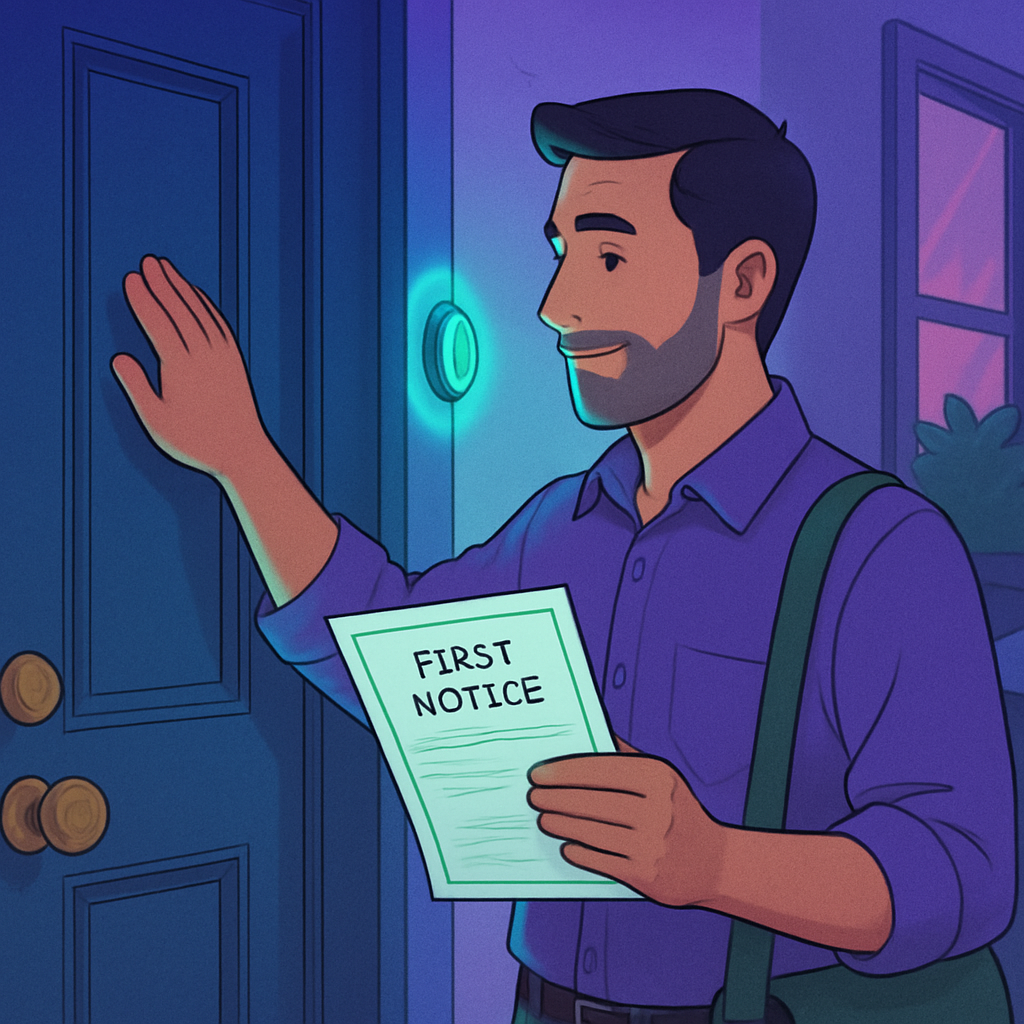
If the rent remains unpaid after a couple of days, it's time to send a friendly reminder. This step is not just about notifying the tenant; it's about establishing a paper trail that can protect you if the issue escalates. When drafting this notice, keep the tone professional and non-accusatory. Choose a communication channel that ensures delivery, such as email or certified mail. Include essential details like the amount due, the original due date, and a new deadline for payment. This approach not only encourages payment but also sets a foundation for future actions if necessary.
Day 5–10: Have a Direct Conversation
As you move into the second week, it's time for a direct conversation with your tenant. This step aims to uncover whether the late payment is a one-time issue or a recurring problem. Approach the conversation with empathy, avoiding any threatening language. Listen for signs of genuine hardship versus avoidance. Depending on the situation, you may consider offering a payment plan, but be cautious and document any agreements thoroughly. If the tenant's explanations seem evasive, it might indicate a pattern that requires firmer action.
Day 10–15: Issue a Formal Late Notice

If the rent remains unpaid, a formal late notice is your next step. This document carries legal weight and serves as a warning to your tenant. The content of this notice can vary by state, so it's essential to refer to local regulations or templates. Send this notice via certified mail to ensure receipt and give your tenant a clear timeline for resolving the issue. Typically, this period is a final opportunity for the tenant to pay before you consider further action.
Day 15+: Decide Your Next Move
At this point, you must evaluate your options carefully. Consider whether a payment plan could still work, especially if it aligns with your financial flexibility and the tenant's situation. If not, small claims court is a potential avenue for recovering unpaid rent, though it involves time and legal resources. Eviction is the last resort and comes with significant costs and legal complexities. It may be wise to consult a lawyer or property manager to navigate this process effectively. For more on handling such scenarios, explore raise rent mid-lease considerations.
Protect Your Cash Flow While You Wait
Maintaining your cash flow during this period is critical. Building an emergency fund for rental income gaps is a proactive measure every landlord should consider. If you're facing immediate shortfalls, a line of credit might be a temporary solution. Adjusting next month's budget can also help if the payment eventually arrives. To prevent future occurrences, consider improving your tenant screening process or adjusting lease terms. For tools to streamline rent collection, explore rent collection apps that can help automate and secure timely payments.
In conclusion, handling late rent payments requires a structured approach that balances firmness with empathy. The Small Landlord offers insights and tools to help small landlords manage these situations effectively, ensuring both tenant retention and financial stability. By following these steps, you can reduce anxiety around late payments and maintain a positive landlord-tenant relationship.
Understanding the Root Causes of Late Payments
Before taking action, it's beneficial to understand why tenants might pay rent late. Common reasons include unexpected financial hardships, such as medical emergencies or job loss, which can temporarily affect their ability to pay. On the other hand, some tenants might simply have poor financial management skills or misunderstand the lease terms. Knowing the root causes can guide your approach in addressing the issue and deciding whether flexibility or firmness is more appropriate.
Conduct a Financial Assessment
For tenants facing genuine financial difficulties, consider conducting a brief financial assessment. This can be as simple as a conversation where you ask about their current employment status, any changes in income, or unexpected expenses. This information can help you determine if offering a temporary rent reduction or a deferred payment plan is feasible. Remember to document these discussions and any agreements reached to protect both parties.
Implementing Preventative Measures
To minimize the occurrence of late payments in the future, consider implementing preventative measures. Start by refining your tenant screening process to include credit checks and references from previous landlords. This can help you identify potential tenants who have a history of timely payments.
Clear Communication of Lease Terms
Ensure that your lease agreement clearly outlines the rent payment terms, including due dates, acceptable payment methods, and late fees. During the lease signing, take time to explain these conditions to the tenant to avoid future misunderstandings. Providing a written summary or checklist of these terms can also serve as a helpful reference for tenants.
Offer Multiple Payment Options
Offering multiple payment options can facilitate timely rent payments. Consider accepting online payments through secure platforms, which can reduce delays associated with traditional banking methods. Automated reminders sent a few days before the due date can also encourage timely payments and help tenants manage their finances more effectively.
Legal Considerations and Compliance
Understanding the legal landscape is crucial when dealing with late rent payments. Familiarize yourself with local landlord-tenant laws that govern late fees, eviction procedures, and tenant rights. This knowledge ensures that your actions remain compliant with legal standards and helps protect you from potential legal disputes.
Consulting with Legal Professionals
If you find yourself frequently dealing with late payments or considering eviction, consulting with a legal professional experienced in landlord-tenant law can be invaluable. They can provide guidance on drafting legally sound lease agreements and advise on the best course of action when disputes arise. Additionally, they can assist in navigating the complexities of eviction proceedings if necessary.
Case Study: Successful Resolution of Late Rent Payments
Consider the case of a small landlord who faced recurring late payments from a long-term tenant. Initially, the landlord followed the outlined step-by-step approach, from sending reminders to having direct conversations. Upon discovering the tenant was experiencing temporary financial hardship due to a medical emergency, the landlord offered a short-term payment plan with adjusted due dates. This approach maintained the tenant relationship and ensured the landlord eventually received the full payment.
This case highlights the importance of flexibility and communication in resolving late payment issues. By understanding the tenant's situation and offering a feasible solution, the landlord avoided the costly and time-consuming eviction process while maintaining cash flow stability.
Utilizing Technology for Rent Collection
Incorporating technology into your rent collection process can streamline payments and reduce late occurrences. Utilize property management software that integrates with accounting systems, allowing for automated tracking and reminders. These platforms often offer tenants the ability to set up automatic payments, minimizing the risk of forgetfulness. Additionally, landlords can benefit from real-time updates and analytics, providing insights into payment trends and tenant behavior, ultimately enhancing financial planning and decision-making.