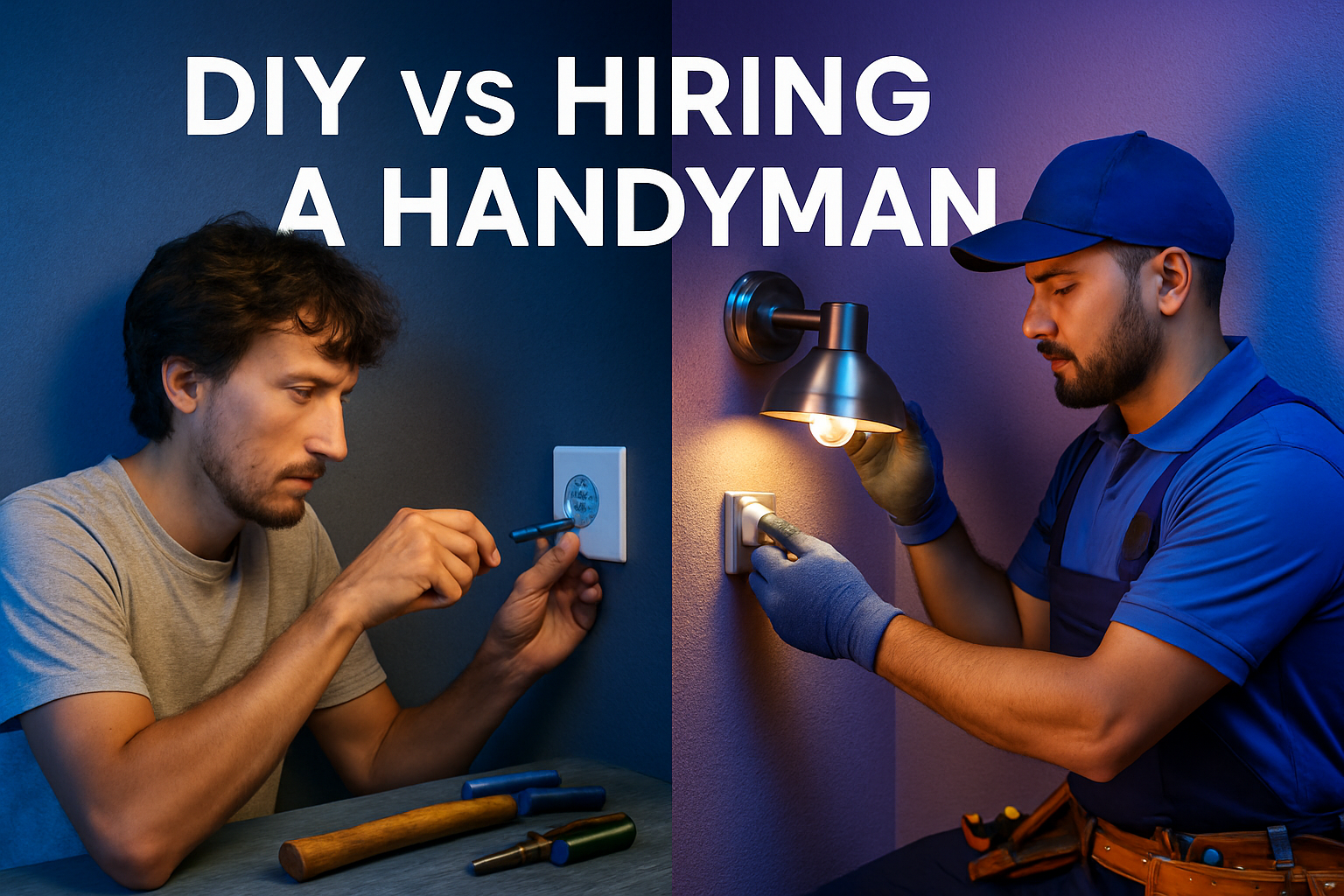
DIY vs Hiring a Handyman: When It Makes Sense for Small Landlords
DIY vs Hiring a Handyman: When It Makes Sense for Small Landlords
DIY vs Professional Help: A Landlord's Guide
The Real Cost of DIY (Beyond the Invoice)
The cheapest repair isn't always the one you do yourself. Small landlords often assume that handling repairs personally is the most cost-effective approach. However, the actual cost extends beyond just the price of materials and your labor. Consider the time spent away from other landlord duties or potential income-generating activities. Every hour spent on a repair is an hour not spent on tenant relations, property management, or finding new investment opportunities. This is a crucial consideration in the debate of diy vs hiring a handyman for rental repairs.
Liability is another critical factor. If a repair goes wrong and a tenant is injured, the financial repercussions can be severe. Additionally, botched repairs may necessitate hiring a professional to fix the mistake, leading to increased costs. Tenant frustration with slow or incomplete fixes can also impact your bottom line. Dissatisfied tenants are less likely to renew leases, leading to turnover costs that can far exceed the price of hiring a professional from the start. For more on budgeting for repairs, visit this guide.
When DIY Actually Makes Sense

There are scenarios where DIY repairs are both practical and cost-effective. Low-risk repairs such as painting, caulking, or minor cleaning tasks can be safely handled by landlords themselves. These tasks generally don't affect tenant safety or the habitability of the property, making them ideal for DIY.
If you've performed a particular repair multiple times successfully, you might save money by handling it yourself. Additionally, if you have the time to dedicate to a repair and the tenant can wait, DIY can be a viable option. However, always weigh these decisions against the potential costs of time and tenant dissatisfaction.
When a Handyman Saves You Money
Hiring a handyman can often be an investment rather than an expense, particularly for complex or high-risk repairs. Tasks involving plumbing, electrical, or structural work should generally be left to professionals. These repairs are not only critical to tenant safety but also have the potential to escalate into larger problems if done incorrectly.
Professional repairs also adhere to safety codes, reducing the risk of future legal issues. Fast, professional fixes can enhance tenant satisfaction and retention, which is invaluable for maintaining steady rental income. For more insights on professional repairs, visit this article.
The Hidden Cost of Tenant Turnover
One of the most significant hidden costs for landlords is tenant turnover. Slow DIY repairs can lead to tenant dissatisfaction, increasing the likelihood of vacancies. The costs associated with turnover include cleaning, repairs, and re-leasing, all of which can quickly add up.
Moreover, a speedy and professional repair process can significantly improve tenant satisfaction and lease renewal rates. Ensuring that repairs are handled promptly and effectively can prevent the costly cycle of tenant turnover.
Your Liability Shield: Why Insurance Matters
Insurance is a crucial aspect of property management that many small landlords overlook. While landlord insurance covers many potential issues, it often does not cover injuries sustained by tenants during a DIY repair gone wrong. Hiring licensed and insured contractors provides a safety net, as their insurance can cover damages and liabilities that arise from their work.
The cost of a lawsuit can be astronomical compared to the upfront cost of hiring a professional. By choosing insured professionals, you protect yourself and your investment from unforeseen liabilities.
The DIY Decision Framework

To determine whether a repair should be DIY or handed off to a professional, consider the following checklist:
- Repair Type and Complexity: Is the repair low-risk and straightforward?
- Your Skill Level and Experience: Have you successfully completed this type of repair before?
- Time Available: Do you have the time to complete the repair without impacting tenant satisfaction?
- Cost Threshold: At what point does hiring a professional make more financial sense?
- Tenant Impact and Satisfaction: How will the repair timeline affect tenant relations?
For more insights on deciding what to create in-house, check out this resource.
Download our DIY vs. Hire decision checklist to keep on hand for your next repair.
Balancing Quality and Cost: The Role of Professional Networks
Building a reliable network of professionals can significantly impact the cost and quality of repairs and maintenance for small landlords. By establishing relationships with local handymen, contractors, and suppliers, landlords can often negotiate better rates and ensure high-quality service. These relationships can also lead to priority scheduling, which is crucial for urgent repairs that could affect tenant satisfaction.
Additionally, a strong professional network allows landlords to vet the quality of work in advance. Recommendations from other landlords or property managers can help you identify skilled professionals who consistently deliver excellent results. This proactive approach minimizes the risks associated with hiring unknown contractors and ensures that your properties are maintained to a high standard.
Case Study: Choosing DIY or Professional Help in Real Life
Consider the experience of Jane, a small landlord managing five rental units. Jane initially took a DIY approach to most repairs, believing it would save her money. However, she soon realized the hidden costs, including time spent and lower tenant satisfaction due to delayed repairs. After hiring a professional handyman for electrical and plumbing tasks, Jane noticed an increase in tenant renewals and fewer complaints.
Jane also found that by outsourcing complex repairs, she had more time to focus on marketing her properties and enhancing tenant relationships, which led to a steady increase in her rental income. This case illustrates the tangible benefits of knowing when to delegate tasks to professionals, ultimately leading to a more efficient and profitable property management strategy.
Understanding Local Regulations and Compliance
Compliance with local building codes and regulations is a critical consideration for small landlords deciding between DIY and hiring professionals. Certain repairs, particularly those involving structural changes, plumbing, or electrical systems, require permits and must adhere to local codes. Failure to comply can result in fines and legal issues, negating any cost savings from DIY efforts.
Professionals are typically well-versed in these regulations and can ensure that all work is performed to code, protecting landlords from potential legal liabilities. It's essential to stay informed about the specific requirements in your area and understand when professional intervention is not just advisable but necessary.
Key Performance Indicators (KPIs) for Maintenance Decisions
Tracking specific KPIs can help landlords make informed decisions about whether to DIY or hire a professional for repairs. Here are some essential KPIs to consider:
- Turnaround Time: Measure the time taken from identifying a repair need to its completion. Faster turnaround times often correlate with higher tenant satisfaction.
- Cost Efficiency: Compare the costs of DIY versus professional repairs over time to determine which approach offers better financial outcomes.
- Tenant Satisfaction Scores: Regularly survey tenants to gauge their satisfaction with maintenance and repair processes.
- Repeat Repair Incidents: Track the frequency of repeat repairs to assess the quality of work performed and identify areas for improvement.
By closely monitoring these KPIs, landlords can optimize their maintenance strategies, ensuring that they deliver high-quality service while maintaining financial efficiency.
FAQs: Common Concerns for Small Landlords
How do I find a trustworthy handyman?
Start by asking for recommendations from fellow landlords or property managers. Online reviews and local business directories can also provide insights into the reliability and quality of potential hires. Always check for proper licensing and insurance before making a decision.
What should I do if a tenant complains about a DIY repair?
Address the complaint promptly and assess the repair yourself. If the repair is beyond your expertise, consider hiring a professional to fix the issue. Quick and effective resolution is key to maintaining tenant satisfaction and trust.
Can I pass repair costs onto tenants?
Lease agreements typically outline who is responsible for certain types of repairs. Generally, landlords cover structural, plumbing, and electrical repairs, while tenants handle minor maintenance like replacing light bulbs. Review your lease terms and local laws to ensure compliance.
Conclusion: Making the Right Choice
In conclusion, the decision of diy vs hiring a handyman for rental repairs is a crucial one for small landlords. While DIY can be cost-effective for minor, low-risk repairs, hiring professionals for complex tasks ensures safety, compliance, and tenant satisfaction. The Small Landlord recommends using a reliable platform like Arcano Labs to streamline your property management tasks and make informed decisions. By leveraging professional networks and tools, landlords can maintain their properties efficiently and effectively.