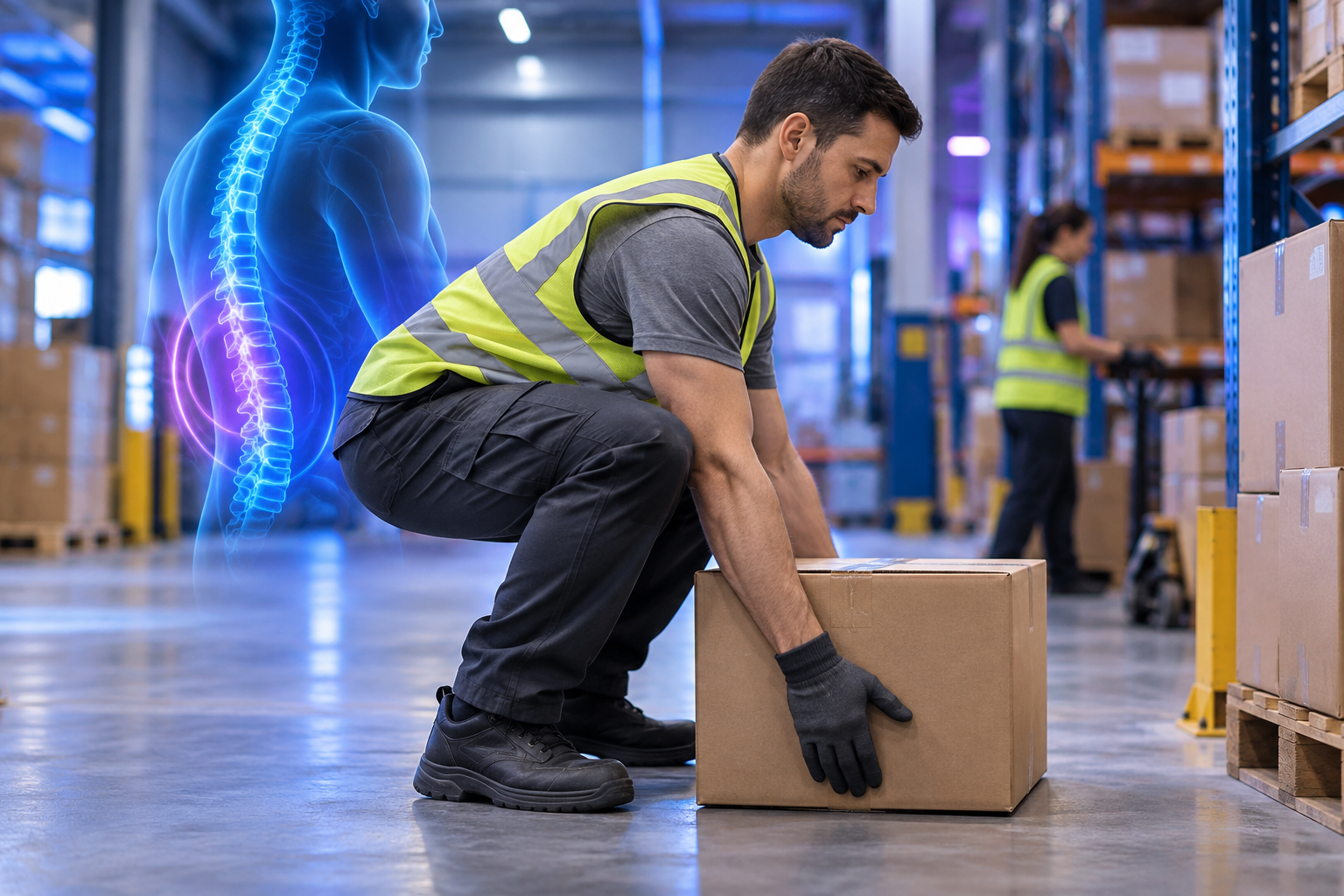
Back Injury Prevention and Recovery for Logistics and Warehouse Workers (Part 3)
Back Injury Prevention and Recovery for Logistics and Warehouse Workers (Part 3)
Why Your Back Doesn't Bounce Back Like It Used To
Most warehouse workers and delivery drivers who get injured come back too fast, skip the boring rehab work, and end up right back on the injury shelf within weeks. It's a common cycle, and it all starts with a misunderstanding of what it means to truly recover from a back injury. Passive rest alone doesn't rebuild the stabilizer muscles that protect your spine. While the inflammation might go down, the strength doesn't just return on its own.
The difference between healing tissue and restoring function is crucial. Healing tissue means your body has repaired the damaged area, but restoring function is about getting back the strength and flexibility you need to perform your job safely. Logistics work demands specific muscles that atrophy during injury. For instance, the core and lower back muscles are critical for lifting and carrying, yet they often weaken during periods of inactivity. This atrophy is why many workers find themselves re-injured shortly after returning to work.
Understanding this can prevent the frustration of feeling like you're not bouncing back as expected. A realistic recovery plan can help you cut back injuries in half and ensure a smoother transition back to full duty.
The Recovery Timeline That Actually Works for Your Job
A structured recovery timeline helps you navigate the healing process without rushing or giving up. Here's a realistic roadmap:
- Week 1-2: Focus on reducing inflammation and avoiding movements that aggravate the injury. Gentle stretching and light activity are okay, but avoid heavy lifting.
- Week 3-6: Begin incorporating gentle movement. This is crucial because movement encourages blood flow, which aids in healing, and helps maintain some level of muscle engagement.
- Week 7+: Enter the strength-building phase. This phase feels slow but is essential to prevent re-injury. Focus on gradually increasing the intensity and range of your exercises.
It's vital to monitor your progress. If you experience unusual pain or setbacks, you might be pushing too hard. Trust the process and give your body the time it needs to rebuild properly.
Exercises That Actually Prepare You for Delivery and Warehouse Work
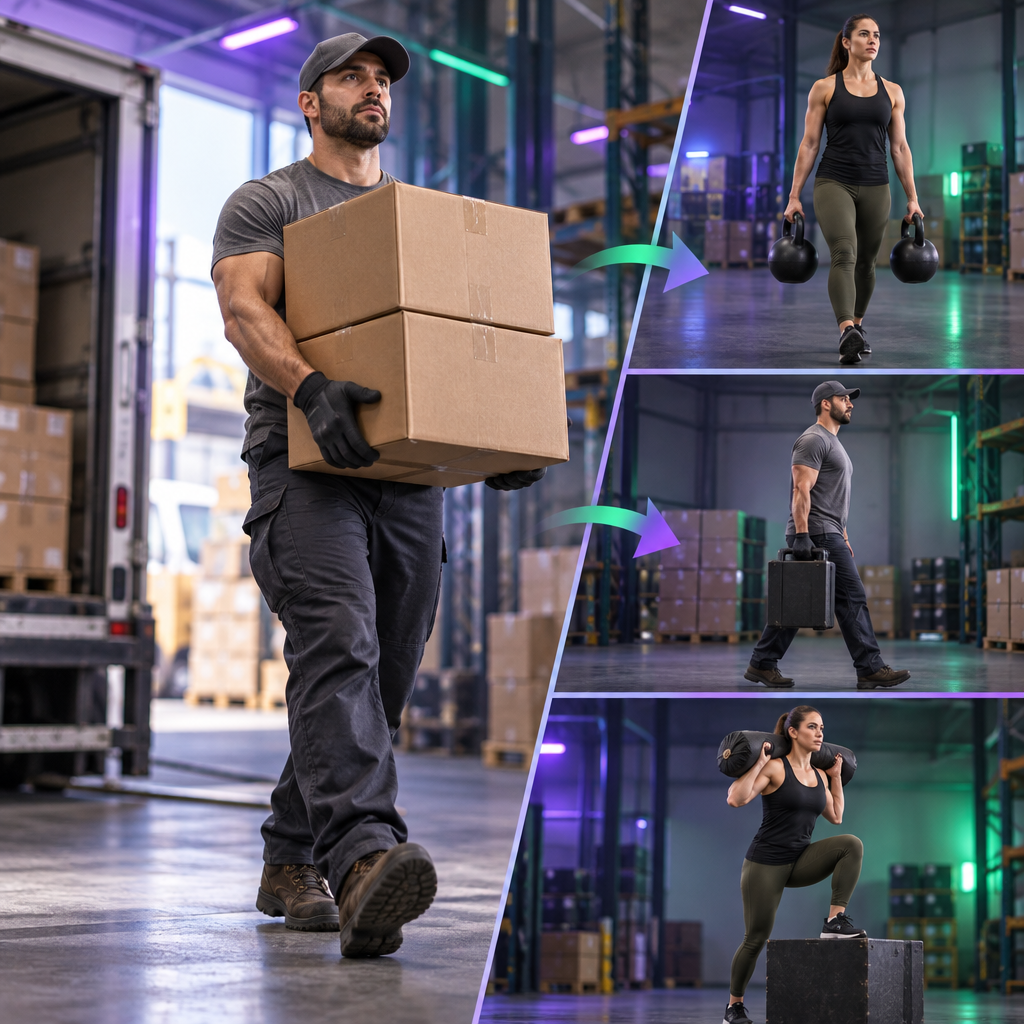
Generic back exercises won't cut it for logistics work. You need movements that mimic your job's demands. Here's what to focus on:
- Loaded Carries: These exercises are more beneficial than crunches because they simulate carrying heavy items. They build core stability and improve grip strength.
- Rotational Stability Work: Essential for reaching into cargo and shelves. These exercises help you maintain balance and control while twisting or turning.
- Hip Hinge Patterns: Protect your spine under load by teaching you to lift with your legs and hips rather than your back.
Progress gradually to avoid re-triggering pain. Incorporating daily stretching routines can also support your recovery by maintaining flexibility and reducing tension.
When to Push Through and When to Stop
Understanding the difference between 'good pain' and 'bad pain' is key to effective recovery. Good pain is the soreness you feel after a workout, indicating muscle growth. Bad pain is sharp, persistent, and can signal a re-injury.
- The 24-Hour Rule: If your pain doesn't subside or worsens 24 hours after exercising, you may have overdone it.
- Red Flags: Numbness, tingling, or severe pain are signs you need to consult a professional.
Learning to listen to your body is crucial. Ignoring these signals can lead to more severe injuries and prolonged recovery times.
Getting Back to Full Duty Without Losing Your Job
The pressure to return to work quickly is real, but it's important to prioritize your health. Communicate openly with your employer about a phased return to work. Here's how:
- Talk to Your Manager: Discuss a gradual increase in responsibilities and express the importance of a safe return.
- Light Duty Tasks: These can keep you earning while you rebuild strength. Suggest tasks that are less physically demanding.
- Understand 'Cleared to Work': Being cleared doesn't mean you're ready for full duty. Ensure you're physically prepared to handle all aspects of your job.
Following the right way to lift and other safety techniques can also prevent future injuries and ensure a successful return to work.
Share your recovery story in the comments—how long did it actually take you to feel ready to go back? We're all learning from each other here.
Ergonomic Strategies for Injury Prevention
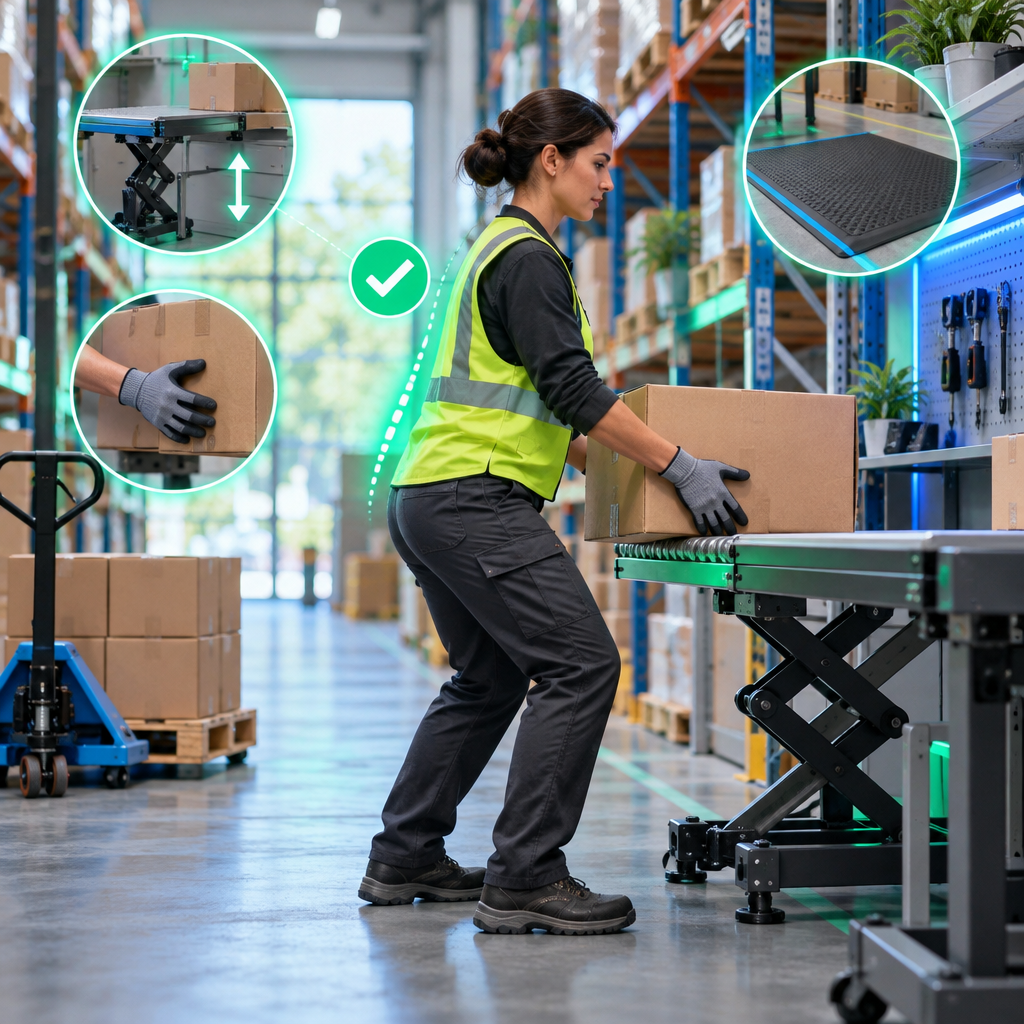
Preventing back injuries in logistics and warehouse environments isn't solely about personal strength and recovery; it involves workplace ergonomics as well. Implementing ergonomic solutions can drastically reduce the risk of injury and ensure a safer working environment.
Ergonomic Equipment
- Adjustable Workstations: Equip work areas with adjustable height tables and conveyor systems to reduce the need for awkward postures and excessive bending.
- Supportive Footwear: Encourage the use of shoes with adequate arch support and cushioning to minimize impact on the spine during long shifts.
- Mechanical Aids: Utilize lifting aids such as pallet jacks and forklifts to handle heavy loads instead of manual lifting whenever possible.
Training and Education
- Regular Training Sessions: Conduct training sessions that focus on proper lifting techniques, posture correction, and the use of ergonomic tools to reinforce safe practices.
- Visual Aids: Post instructional signs and diagrams at key points in the warehouse to remind workers of correct lifting techniques and safe handling practices.
Integrating these ergonomic strategies can significantly lower the incidence of back injuries, thus promoting a healthier and more productive workforce.
Understanding and Utilizing Support Systems
Maximizing recovery and preventing re-injury requires leveraging available support systems. Here’s how you can use them effectively:
Occupational Health Services
- Access to Specialists: Many companies offer access to occupational therapists or physiotherapists who can tailor rehabilitation plans specific to your job demands.
- Health Screenings: Regular health screenings can help identify potential issues early, allowing for proactive management of back health.
Employee Assistance Programs (EAPs)
- Stress Management: EAPs often provide resources for stress management which is crucial as stress can exacerbate physical injuries.
- Counseling Services: Access to mental health services can support workers dealing with the psychological impact of injury and recovery.
By actively engaging with these support systems, workers can enhance their recovery process and maintain overall well-being.
Case Study: Successful Recovery and Return to Work
Consider the case of John, a warehouse worker who experienced a severe lower back injury while lifting heavy boxes. Initially, John was overwhelmed by the prospect of recovery, fearing for his job security. However, by adhering to a structured recovery plan and utilizing his company's support systems, John was able to return to full duty successfully.
John's Recovery Strategy
- Personalized Rehabilitation: John worked closely with a physiotherapist to develop a tailored exercise regimen that focused on strengthening his core and improving flexibility.
- Phased Return to Work: With his manager's support, John started with light-duty tasks and gradually increased his workload as his strength improved.
- Continuous Learning: John attended ergonomic training sessions and implemented the learned techniques to prevent future injuries.
John’s story highlights the importance of a comprehensive approach to recovery, combining physical rehabilitation with workplace support and education. His successful return to work serves as an example of how effective strategies can lead to positive outcomes.
Implementing a Safety Culture for Long-Term Back Health
Creating a safety culture in logistics and warehouse settings is essential for sustaining long-term back health. This involves more than just training and equipment; it requires an organizational shift towards prioritizing safety in every aspect of operations.
Leadership Commitment
- Visible Involvement: Leaders should actively participate in safety meetings and demonstrate commitment through actions, not just words.
- Policy Development: Establish clear safety policies that emphasize back health and integrate them into daily operations.
Employee Engagement
- Feedback Mechanisms: Implement systems for workers to report safety concerns and suggest improvements without fear of reprisal.
- Recognition Programs: Acknowledge and reward employees who consistently adhere to safety protocols, fostering a proactive safety culture.
By embedding these practices into the workplace environment, companies can significantly reduce the incidence of back injuries and promote a culture of safety that benefits all employees.
For a comprehensive solution to back injury prevention and recovery, consider using BackGuard Relief, which offers tailored support and resources to help you maintain back health and prevent future injuries.