Back Injury Recovery for Warehouse Workers: Getting Back to Work Without Re-Injury
Back Injury Recovery for Warehouse Workers: Getting Back to Work Without Re-Injury
Back Injury Prevention and Recovery for Logistics and Warehouse Workers (Part 2)
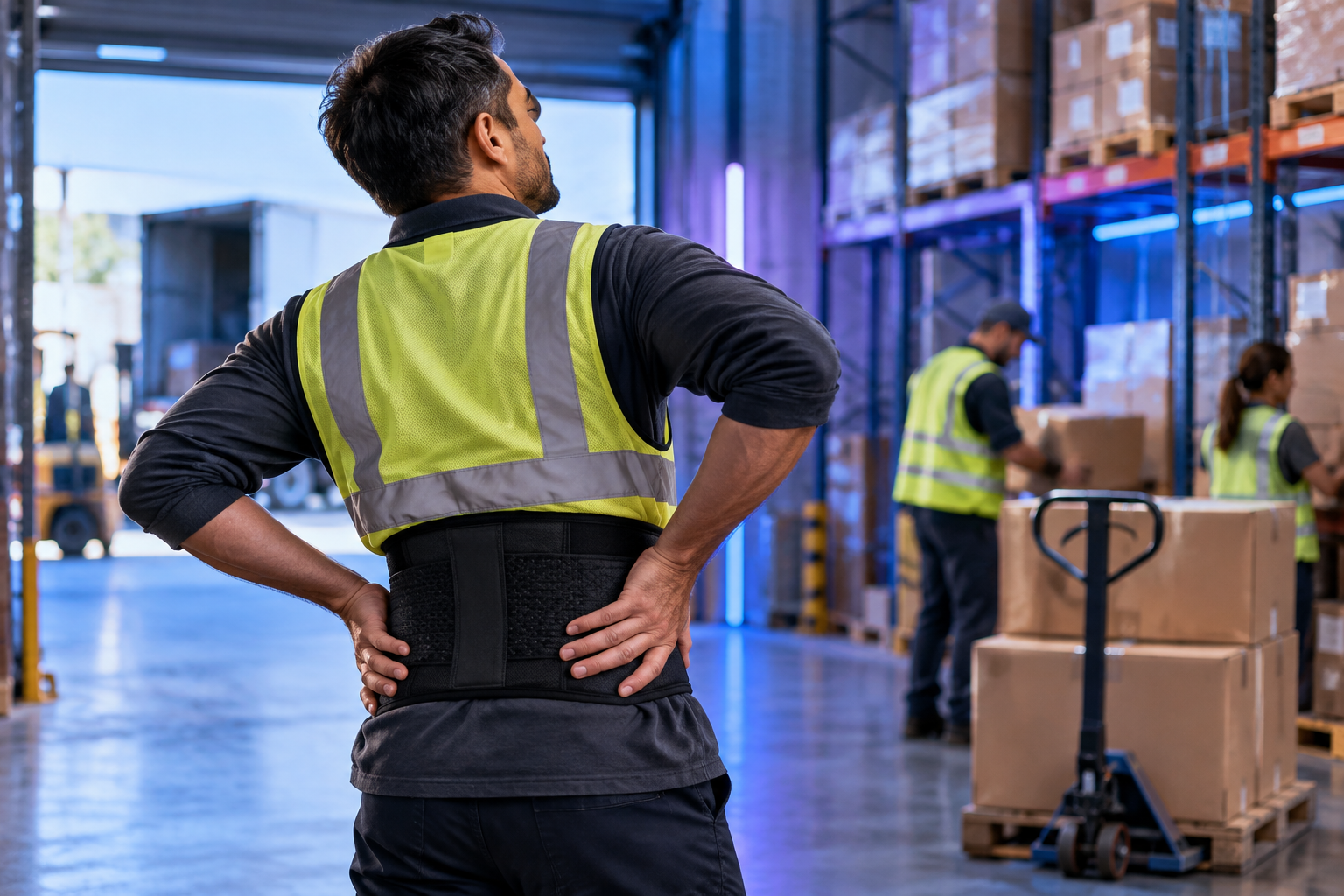
You're cleared to work again, but your back still feels fragile, and you're terrified of that sharp pain coming back on your first shift. This is a common fear among logistics and warehouse workers returning after a back injury. In this guide, we’ll focus on actionable strategies to ensure a smooth transition back to work without risking re-injury.
Why the First Week Back Is the Danger Zone
The first week back at work after a back injury is often the most perilous. Many workers mistake the absence of pain for full recovery, but tissue healing takes longer than pain subsiding. This confidence trap can lead to overexertion and re-injury. In warehouse environments, the combination of heavy lifting and repetitive motions can quickly undo weeks of recovery.
Understanding the healing timeline is crucial. While you may feel ready to resume normal duties, your body might still be in the healing phase. Re-injury often occurs because workers underestimate the stress their bodies endure in physically demanding roles. Respecting this timeline and recognizing the difference between feeling better and being fully healed can prevent setbacks.
Your Realistic Return-to-Work Timeline
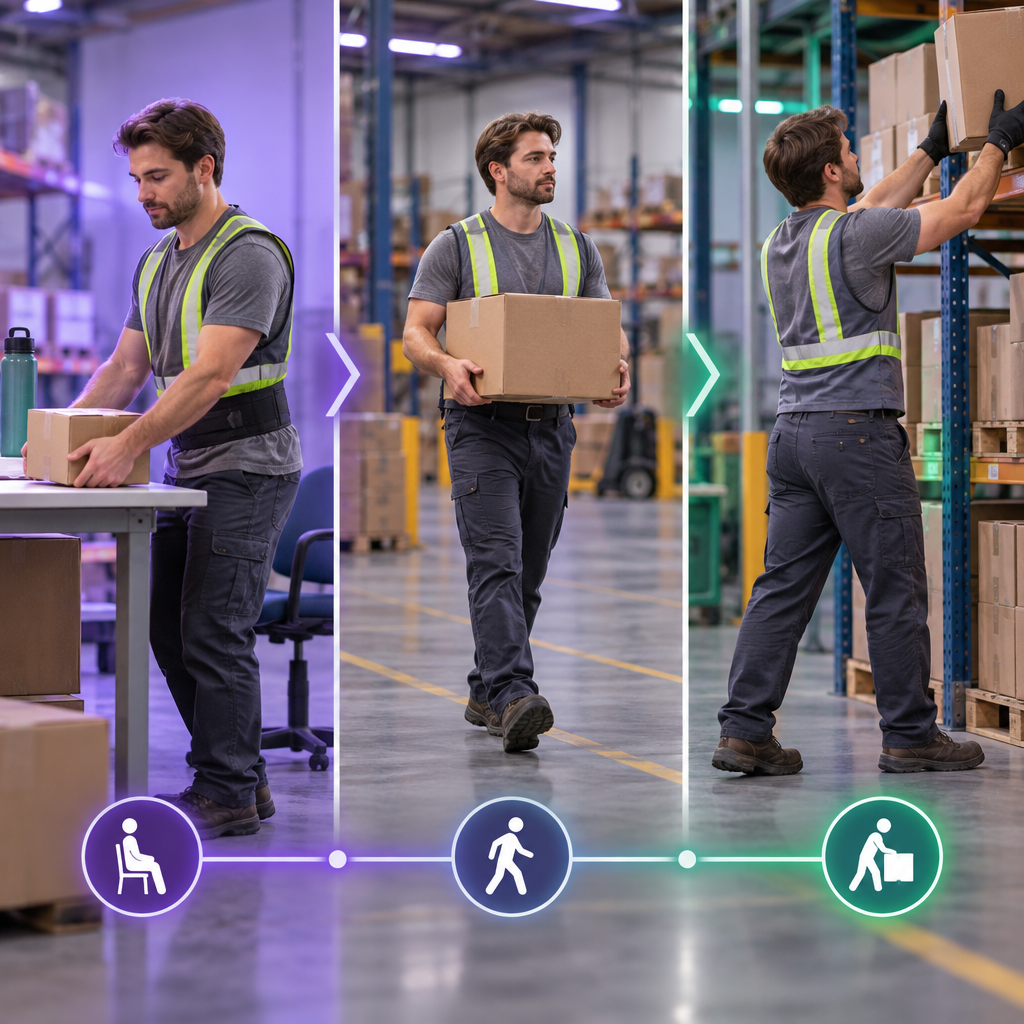
A structured return-to-work timeline can be your best ally in avoiding re-injury. Here’s a practical breakdown:
- Weeks 1–2: Focus on light duties. Avoid lifting objects heavier than 10 pounds and take frequent breaks to rest your back.
- Weeks 3–4: Gradually increase your workload. Start incorporating moderate lifting and light bending. Monitor your body's response closely.
- Weeks 5–8: Begin building back to full duty, but remain vigilant for any signs of strain. Pay attention to red flags like persistent pain or discomfort.
Recognizing red flags is crucial. If you experience sharp pain, numbness, or weakness, it's a sign you've pushed too hard. Adjust your activities and consult with a professional if necessary.
Modified Duties That Don't Wreck Your Paycheck
A significant concern for many workers is the potential loss of income due to modified duties. However, there are ways to stay productive while protecting your back:
- In the first week, focus on tasks like inventory management or quality checks that don't require heavy lifting.
- Communicate openly with your manager about a phased return. Frame it as a strategy to prevent future absences due to re-injury, rather than a weakness.
- Explore opportunities for training or cross-training in areas that offer less physical strain.
These strategies can help maintain your earning power while ensuring a safe recovery.
The Support Gear That Actually Matters During Recovery
Choosing the right support gear can make a significant difference during recovery. While back braces are popular, they aren’t always necessary. When used correctly, they provide support and remind you to maintain good posture. However, relying on them excessively can weaken your muscles over time.
Ensure proper fit and adhere to a wearing schedule. Use braces during activities that pose a risk to your back, but avoid wearing them all day. Compression sleeves and ergonomic footwear can also reduce re-injury risk.
For more insights on gear, explore our detailed guide on essential back braces.
Movements to Avoid (and What to Do Instead)
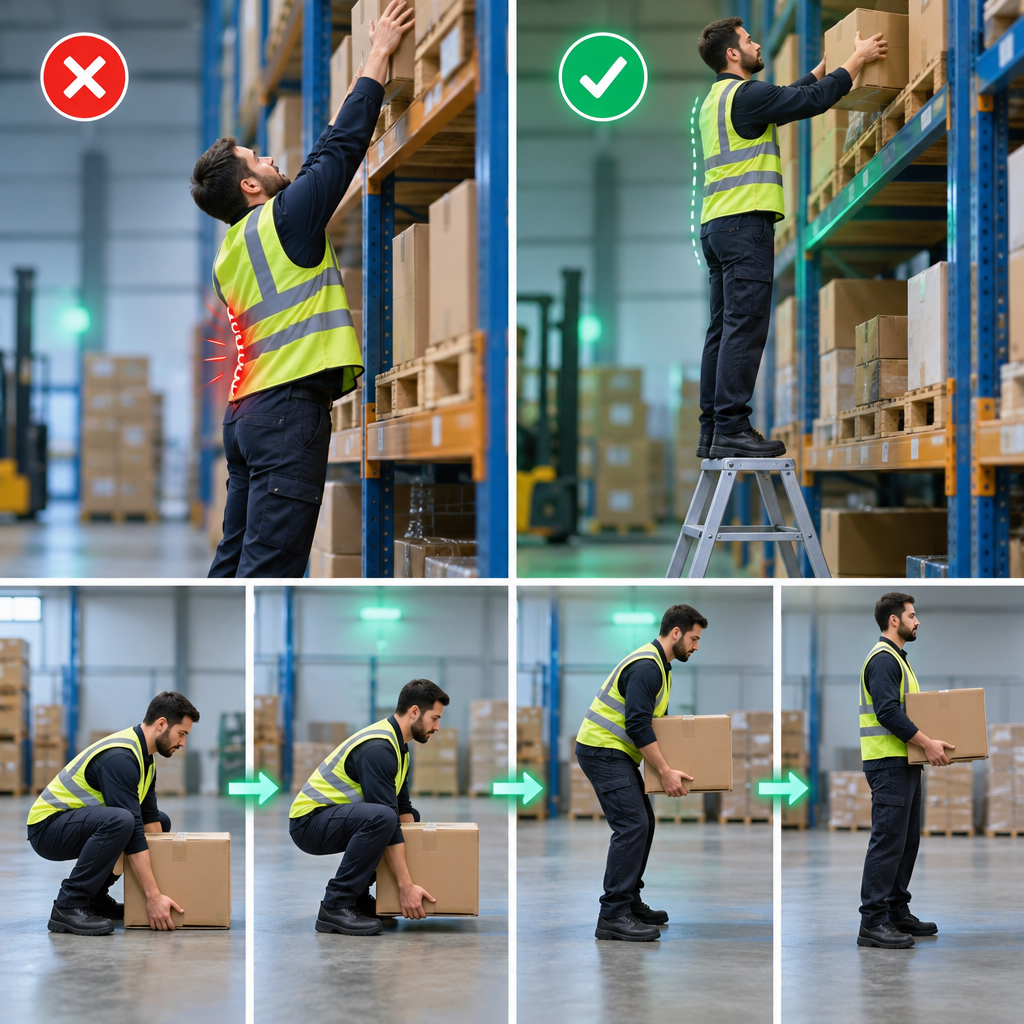
Knowing which movements to avoid is vital. Here are some job-relevant tips:
- Avoid reaching into high cargo compartments without support. Use a step stool and maintain a neutral spine.
- Follow a bending and lifting progression plan. Start with squats for lifting and gradually progress to more complex movements.
- When picking up packages, use your legs to lift. Keep the load close to your body and avoid twisting your spine.
Understanding your back anatomy can further aid in preventing injuries. Learn more in our article on understanding your back anatomy. Additionally, you can refine your lifting techniques by reviewing the right way to lift.
When to Push Back on 'You're Cleared to Work'
It's essential to trust your body's signals. Even if you're medically cleared to work, you might not be ready. Listen to pain signals that suggest you need more time to heal. Discuss your actual job demands with your doctor or physiotherapist to ensure their recommendations align with your work environment.
If your employer pressures you to return, protect yourself by documenting any pain or discomfort and seek a professional opinion. Your health should always be the priority.
For real-world recovery stories and insights, explore Real Recovery Stories: How These Workers Overcame Back Injuries.
Share your return-to-work story in the comments—what helped you get back without re-injuring? We're building a real guide from what actually works.
Building a Comprehensive Workplace Back Safety Program
To effectively prevent back injuries and facilitate recovery, logistics and warehouse businesses should consider implementing a comprehensive back safety program. Such a program can significantly reduce injury rates and improve employee well-being.
Key Components of a Back Safety Program
- Ergonomic Assessment: Regularly evaluate workstations and equipment to ensure they are ergonomically sound. Adjust workstation heights, provide ergonomic tools, and ensure that heavy items are stored at waist level to minimize awkward lifting.
- Training and Education: Conduct periodic training sessions focused on proper lifting techniques, posture, and the importance of warming up before shifts. Use visual aids and hands-on demonstrations to reinforce learning.
- Stretching and Exercise Programs: Encourage daily stretching routines before shifts to improve flexibility and reduce muscle tension. Consider offering on-site exercise programs that focus on strengthening the core and back muscles.
- Regular Health Screenings: Implement health screenings to identify employees at higher risk for back injuries. Early identification allows for preventative measures to be put in place, reducing the likelihood of injury.
- Feedback and Reporting System: Establish a system where employees can report potential hazards and provide feedback on the safety measures in place. This encourages a proactive approach to safety and ensures continuous improvement.
Success Metrics for Back Safety Programs
To gauge the effectiveness of your back safety program, consider tracking the following key performance indicators (KPIs):
- Incident Rate: Monitor the frequency of back injury incidents before and after program implementation. A decrease in incidents indicates program success.
- Employee Participation Rates: Track attendance and participation in training sessions and exercise programs. High engagement often correlates with a reduction in injuries.
- Employee Feedback: Regularly collect and analyze feedback from employees on the program's impact. Use surveys and interviews to gather insights and make necessary adjustments.
- Return-to-Work Speed: Measure the time it takes for injured employees to return to work. A faster, safe return indicates effective recovery support.
- Healthcare Costs: Analyze changes in healthcare costs related to back injuries. A reduction in costs can reflect a successful prevention strategy.
Case Study: Successful Implementation of a Back Safety Program
Consider the case of XYZ Logistics, a company that successfully reduced back injuries by 30% within a year of implementing a comprehensive back safety program. The program included tailored ergonomic assessments, mandatory training sessions, and a robust feedback system.
XYZ Logistics also introduced a peer-led initiative where experienced employees demonstrated proper lifting techniques. This peer approach fostered a culture of safety and encouraged team members to look out for one another. By focusing on both individual responsibility and collective awareness, XYZ Logistics not only improved safety metrics but also enhanced overall employee morale.
By following these examples and strategies, businesses can create a safer working environment that protects their workforce and enhances productivity.
Implementing a Peer Support System for Injury Recovery
Establishing a peer support system can be a powerful tool in aiding recovery and preventing re-injury. When workers have the opportunity to share experiences and recovery strategies with colleagues who have faced similar challenges, it fosters a supportive environment that encourages adherence to safe practices.
- Mentorship Programs: Pair recovering employees with mentors who have successfully navigated similar injuries. This guidance can provide emotional support and practical advice.
- Regular Check-Ins: Schedule regular meetings for injured employees to discuss progress and share tips. These sessions can be facilitated by a health professional to ensure accuracy in shared information.
- Peer-Led Workshops: Host workshops where employees can learn and teach each other effective recovery exercises and strategies, promoting a culture of continuous learning and improvement.
By integrating peer support into recovery plans, businesses can enhance employee morale and foster a more resilient workforce.
Ultimately, BackGuard Relief offers a comprehensive approach to back injury prevention and recovery, ensuring that logistics and warehouse workers can return to work safely and effectively.